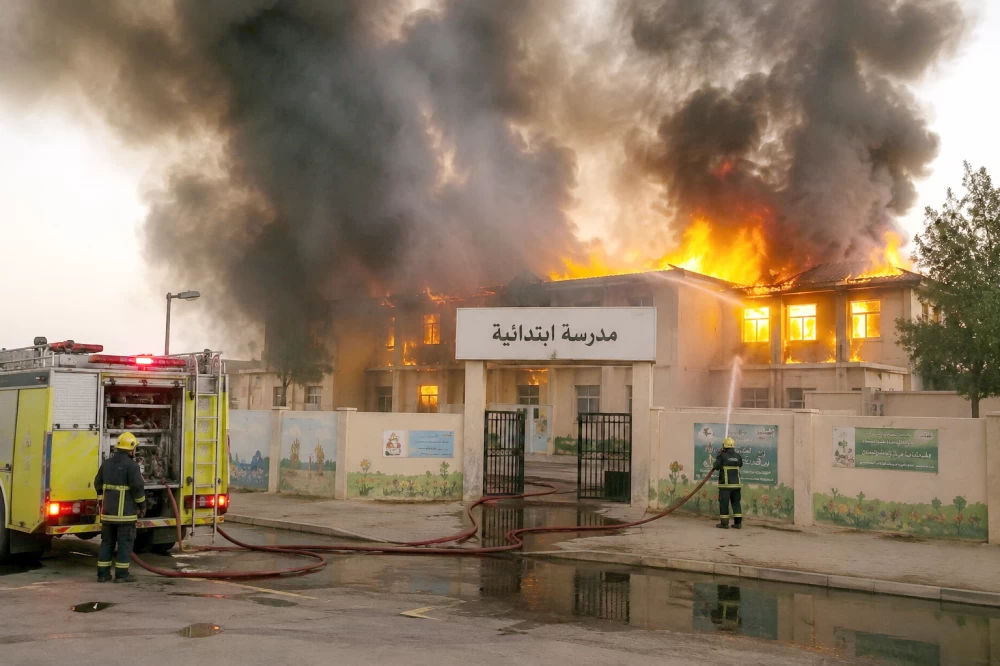
حدد الدليل الإرشادي للحالات الطارئة والجسيمة في مدارس التعليم العام، الذي أصدرته هيئة الصحة العامة (وقاية) ووزارة التعليم، الإجراءات اللازمة في حال حدوث صعق كهربائي للطلبة داخل أسوار المدارس، وبين، أن الخطر من الصدمة الكهربائية يعتمد على نوع التيار، ومدى ارتفاع الجهد، وكيف ينتقل التيار عبر الجسم للشخص، ومدى سرعة علاج الشخص وقد تتسبب الصدمة الكهربائية في حدوث حروق أو قد لا تترك علامات ظاهرة على الجلد. و في الحالتين، يمكن أن يتسبب التيار الكهربائي في حدوث تلف داخل الجسم أو توقف القلب أو إصابة أخرى، أو في ظل ظروف معينة، «كمية صغيرة من الكهرباء يمكن أن تكون قاتلة»، وأوضح الدليل، أن الإسعافات الأولية في حالة التعرض للصعق الكهربائي تتمثل في استدعاء الهلال الأحمر وعدم لمس الطالب المصاب الذي لا يزال على اتصال بتيار كهربائي وعدم الاقتراب من الأسلاك ذات الجهد العالي حتى يتم قطع التيار الكهربائي مع البقاء على بعد 20 قدماً على الأقل (حوالى 6 أمتار) بعيداً إذا كانت الأسلاك تقفز وتتسبب شراراً وعدم تحريك المصاب ما لم يكن هناك خطر مباشر. ومن المعالجات الفورية، إغلاق مصدر الكهرباء واستخدام شيء جافٍ غير موصل للكهرباء مصنوع من الورق المقوى أو البلاستيك أو الخشب لتحريك المصدر والبدء بالإنعاش القلبي الرئوي إذا لم يظهر على الشخص أي علامات على جسمه أو وجهه مثل التنفس أو السعال أو الحركة، ومحاولة منع الطالب المصاب من البرودة وتغطية أي مناطق محترقة بضمادة شاش معقمة، أو قطعة قماش نظيفة، وعدم استخدام بطانية أو منشفة لأنه يمكن أن تلتصق بالحروق وإشعار المركز الصحي بالحالة.
The guideline for emergency and severe cases in public education schools, issued by the Public Health Authority (Prevention) and the Ministry of Education, outlines the necessary procedures in the event of an electrical shock to students within school premises. It states that the danger from an electric shock depends on the type of current, the level of voltage, how the current travels through the person's body, and how quickly the person receives treatment. An electric shock can cause burns or may not leave visible marks on the skin. In either case, electric current can cause internal damage to the body, cardiac arrest, or other injuries. Under certain conditions, "a small amount of electricity can be fatal." The guideline explains that first aid in the event of an electric shock involves calling the Red Crescent and not touching the injured student who is still in contact with the electric current. It also advises keeping a distance of at least 20 feet (about 6 meters) away from high-voltage wires until the electricity is cut off, especially if the wires are sparking. Do not move the injured person unless there is an immediate danger. Immediate treatments include shutting off the power source and using something dry and non-conductive, made of cardboard, plastic, or wood, to move the source. Begin CPR if the person shows no signs on their body or face, such as breathing, coughing, or movement. Try to prevent the injured student from getting cold and cover any burned areas with a sterile gauze bandage or a clean cloth. Do not use a blanket or towel as it may stick to the burns, and notify the health center of the situation.