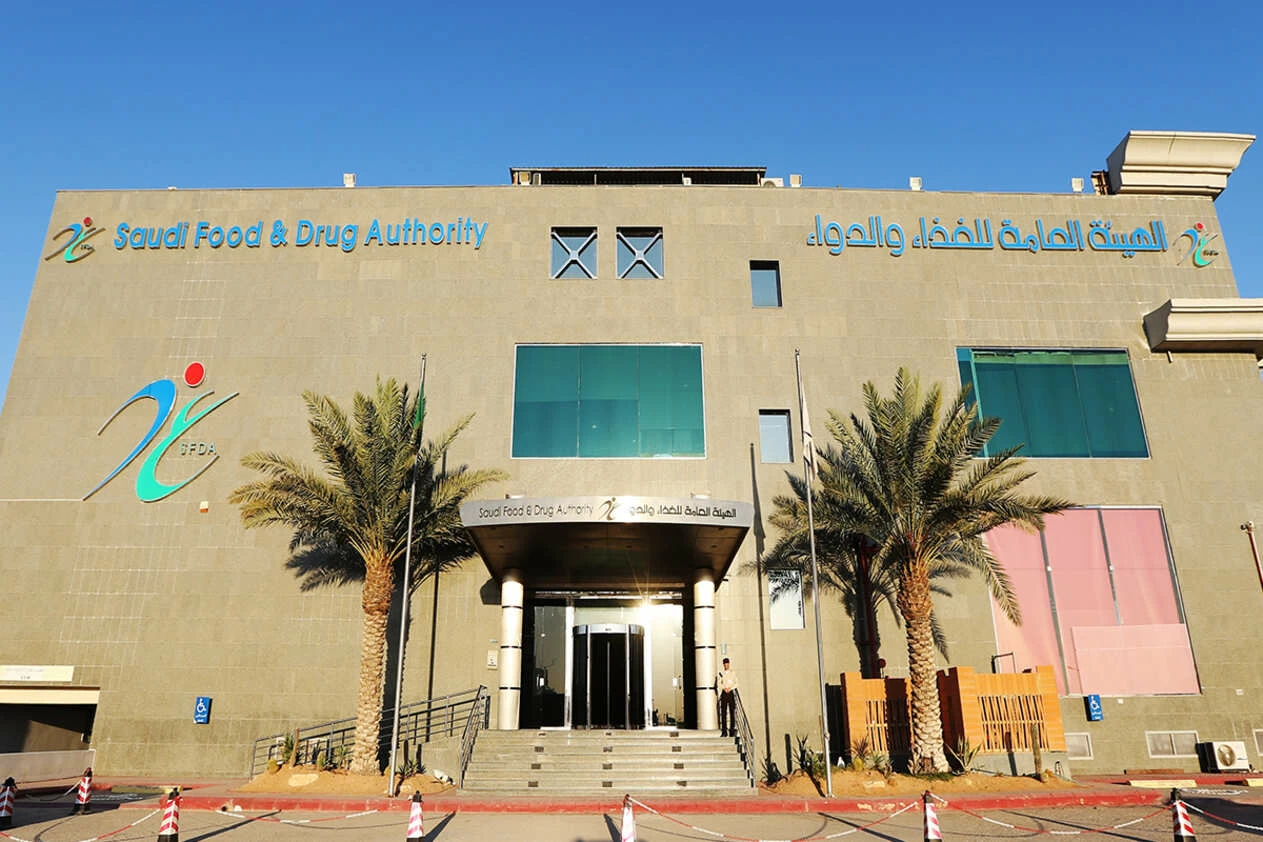
أقرت لجنة مشتركة بين وزارة الصحة وهيئة الغذاء والدواء تحديثات نظام مكافحة المخدرات والمؤثرات العقلية، تضمنت قاعدة رقابية تقضي بمعاملة أي مستحضر صيدلاني يجمع بين مادة مخدرة ومؤثر عقلي كمادة مخدرة بالكامل، بما يترتب عليه تطبيق الأحكام والعقوبات الأشد.
وشملت التحديثات حظر حيازة أو استزراع النباتات والبذور المحظورة في جميع مراحل نموها وبأي صورة كانت، وفي مقدمتها القنب الهندي والخشخاش والكوكا والقات والقرطوم وفطر الأرغوت المهلوس، في إطار تنظيم حركة المواد المخدرة والمؤثرات العقلية والسلائف الكيميائية والنباتات المحظورة، بما يتوافق مع المعايير الدولية ويحمي الصحة العامة ويضبط الاستخدامات العلمية والطبية المشروعة.
وصنفت الأحكام المحدثة المواد المخدرة والمؤثرات العقلية إلى 5 فئات أساسية لكل منهما، إذ تشمل القوائم الدولية للمخدرات «القائمة الصفراء»، وللمؤثرات العقلية «القائمة الخضراء»، فيما خصصت الفئة الخامسة للمواد الخاضعة للرقابة المحلية في السعودية.
وفرضت الأحكام حظرًا على تداول أو وصف أو حيازة أو استيراد مواد الفئة الرابعة من المخدرات والفئة الأولى من المؤثرات العقلية، إلى جانب مواد محددة من الفئة الثانية، منها الفينيتيلين والميثاكوالون والسيكوباربيتال، وقصرت استخدامها على الأبحاث الطبية والعلمية البحتة بعد الحصول على موافقة مسبقة من قطاع الدواء في الهيئة العامة للغذاء والدواء.
وتضمنت التحديثات تسهيلات لبعض المستحضرات الصيدلانية، باستثناء الأدوية التي تحتوي على 8 ملجم فأقل من الكوديين، شريطة أن تكون في صورة أقراص أو كبسولات، إضافة إلى المستحضرات التي يدخل في تركيبها الإيفيدرين أو الإيثانول، من الرقابة المشددة لنظام مكافحة المخدرات، وإخضاعها لنظام المنشآت والمستحضرات الصيدلانية ولائحته التنفيذية، بما يتيح صرفها للمرضى المحتاجين إليها بوصفة طبية.
إجراء رادع للمتاجرين
الأخصائي النفسي وليد الغامدي أوضح لـ«عكاظ» أن تحديثات نظام مكافحة المخدرات والمؤثرات العقلية تأتي مواكبة للمستجدات والتطورات، وتسهم في تحقيق أهداف المكافحة، مشيرًا إلى أن معاملة المستحضرات الصيدلانية المزدوجة التي تجمع بين مادة مخدرة ومؤثر عقلي كمادة مخدرة بالكامل، وتطبيق العقوبات الأشد عليها، تمثل إجراءً رادعًا للمتاجرين بالمخدرات والعابثين بمقدرات الوطن ومستقبل شبابه.
A joint committee between the Ministry of Health and the Food and Drug Authority has approved updates to the Narcotics and Psychotropic Substances Control System, which included a regulatory framework stipulating that any pharmaceutical product combining a narcotic substance and a psychotropic substance be treated as a fully narcotic substance, resulting in the application of stricter provisions and penalties.
The updates included a ban on the possession or cultivation of prohibited plants and seeds at all stages of their growth and in any form, foremost among them cannabis, poppy, coca, khat, kratom, and hallucinogenic ergot fungus, as part of regulating the movement of narcotic substances, psychotropic substances, chemical precursors, and prohibited plants, in line with international standards to protect public health and regulate legitimate scientific and medical uses.
The updated provisions classified narcotic substances and psychotropic substances into 5 main categories for each, with the international drug lists including the "yellow list" for narcotics and the "green list" for psychotropic substances, while the fifth category was designated for locally controlled substances in Saudi Arabia.
The provisions imposed a ban on the trading, prescribing, possessing, or importing of fourth-category narcotics and first-category psychotropic substances, in addition to specific substances from the second category, including phenmetrazine, methaqualone, and secobarbital, limiting their use to pure medical and scientific research after obtaining prior approval from the drug sector of the General Authority for Food and Drug.
The updates included facilitation for certain pharmaceutical products, except for medications containing 8 mg or less of codeine, provided they are in the form of tablets or capsules, as well as products containing ephedrine or ethanol, from the strict control of the Narcotics Control System, subjecting them to the pharmaceutical establishments and products system and its executive regulations, allowing them to be dispensed to patients in need with a prescription.
Deterrent Measures for Traffickers
Psychologist Walid Al-Ghamdi explained to "Okaz" that the updates to the Narcotics and Psychotropic Substances Control System come in line with developments and changes, contributing to achieving the goals of combating drug abuse. He pointed out that treating dual pharmaceutical products that combine a narcotic substance and a psychotropic substance as fully narcotic substances, and applying stricter penalties to them, represents a deterrent measure against drug traffickers and those who tamper with the nation's resources and the future of its youth.