تُعدّ سلامة الطلاب والطالبات خلال رحلتهم اليومية إلى مدارسهم مسؤولية مجتمعية لا يمكن التهاون فيها، فاختيار وسائل نقل غير مرخصة يعرّض أبناءنا لمخاطر أمنية ومرورية جسيمة، خصوصاً عندما تكون المركبات غير خاضعة للرقابة أو غير مستوفية لمعايير السلامة المعتمدة. وحذّر المختصون في مجالَي المرور والنقل، من انتشار الحافلات المدرسية غير النظامية التي تفتقر إلى التجهيزات الهندسية والميكانيكية اللازمة، مما يجعلها غير مؤهلة لنقل الطلاب بأمان، ويُصعّب على الجهات الرقابية متابعة تلك المركبات أو مساءلة القائمين عليها عند وقوع الحوادث.
ويؤكد خبراء الأمن والسلامة، أن النقل المدرسي النظامي ليس مجرد خيار، بل ضرورة لضمان حماية الطلاب، إذ يجب أن تتوفر في السائقين والشركات المشغّلة اشتراطات إلزامية تشمل امتلاك السائق رخصة قيادة نقل عام سارية، واجتيازه الفحص الطبي، والتزامه بالسرعات المحددة وتعليمات المرور، إضافة إلى تدريبه على التعامل مع الحالات الطارئة. كما يجب على الشركات المشغّلة تسجيل الحافلات في الأنظمة الرسمية، وإجراء فحص دوري للمركبات، وتوفير مشرفين مدرّبين لمرافقة الطلاب، وتركيب أنظمة تتبع وكاميرات داخلية، والالتزام بمعايير السلامة الصادرة عن الجهات المختصة.
وتبرز أهمية دور الأسرة والمدرسة في تعزيز ثقافة السلامة، من خلال التأكد من أن الحافلة مرخصة وتتبع جهة رسمية، ومتابعة التزام السائق بالمسار المحدد، وتوعية الطلاب بالسلوكيات الآمنة داخل الحافلة. إن توفير نقل مدرسي آمن ليس مجرد خدمة، بل هو استثمار في حماية مستقبل أبنائنا وضمان وصولهم إلى بيئة تعليمية آمنة كل يوم دون مخاطر يمكن تجنبها بالالتزام بالأنظمة والتعليمات.
مخاطر لا يستهان بها
الخبير المروري اللواء متقاعد محمد القحطاني يشير إلى عدم موثوقية السائقين العاملين في النقل المدرسي غير النظامي، محذراً في حديثه لـ«عكاظ» من غياب الرقابة الفعلية على السائقين وعدم التحقق من سجلاتهم الأمنية أو من حصولهم على التراخيص النظامية التي تخوّلهم لممارسة هذا النشاط المرتبط بسلامة الطلاب والطالبات. وأوضح أن السماح لسائقين غير مستوفين للاشتراطات بالعمل في النقل المدرسي يشكّل خطراً مباشراً على حياة الطلاب، ويضع الأسر والجهات التعليمية أمام مخاطر لا يمكن التهاون معها.
وبيّن اللواء القحطاني ضرورة توافر مجموعة من الاشتراطات الإلزامية لدى السائقين العاملين في النقل المدرسي، وفي مقدّمتها الحصول على بطاقة سائق مهني تثبت تأهيله للعمل في هذا المجال، وأن يكون الترخيص الخاص بمزاولة النشاط ساري المفعول، إضافة إلى امتلاك السائق رخصة قيادة سارية تخوّله لقيادة الحافلات وفقاً لنظام المرور ولائحته التنفيذية. كما شدّد على أهمية أن تكون الصحيفة الجنائية للسائق خالية من السوابق، وأن يجتاز اختبار الكفاءة المهنية المقدّم من المراكز المعتمدة لدى الهيئة المختصة، وأن تكون هوية السائق سارية المفعول لضمان صحة بياناته وتوافقها مع الأنظمة.
لا بد من العلاقة التعاقدية
ويرى اللواء القحطاني أنه من الضروري وجود علاقة تعاقدية رسمية بين السائق والمنشأة المقدّمة لخدمة النقل المدرسي، وتكون جميع البيانات موثقة لدى الجهات المختصة، وأن تكون مهنة السائق في هوية مقيم هي «سائق حافلة» بالنسبة للسائقين غير السعوديين العاملين في هذا النشاط، لضمان توافق المهنة مع طبيعة العمل. كما أكد أهمية أن يكون السائق مرتبطاً برقم الهوية الموحد للمنشأة المقدّمة للخدمة، أو مرتبطاً بعلاقة تعاقدية نظامية معها، بما يضمن خضوعه للرقابة، وسهولة تتبع مسؤولياته، وتمكين الجهات المختصة من محاسبته عند وقوع أي تجاوزات أو حوادث. وأشار إلى أن هذه الاشتراطات ليست إجراءات شكلية، بل هي متطلبات أساسية تهدف إلى رفع مستوى السلامة في النقل المدرسي، وضمان أن يكون السائق مؤهلاً ومطابقاً للمعايير المهنية والأمنية، بما يعزز ثقة أولياء الأمور ويضمن وصول الطلاب إلى مدارسهم بأمان.
فحص شامل للحافلة
الخبير الأمني اللواء متقاعد حسين الحارثي يقول لـ«عكاظ»: إن الأنظمة والتعليمات الخاصة بالنقل التعليمي تشدد على ضرورة التزام السائقين العاملين مع المنشآت مقدمة الخدمة، وكذلك الأفراد مقدمي الخدمة، بإجراء فحص سريع وشامل للحافلة قبل القيادة وكلما دعت الحاجة، وذلك من خلال سجل معتمد توفره المنشأة أو يعدّه مقدم الخدمة الفردي. ويهدف هذا الفحص إلى التأكد من سلامة المكابح، وسلامة الإطارات، والمصابيح، وإشارات التنبيه الضوئية والسمعية، ومساحات الزجاج الأمامي والخلفي، وسلامة المرايا الجانبية والزجاج الأمامي والخلفي، إضافة إلى التأكد من عدم وجود أي تسريب في سوائل الحافلة أو صدور دخان كثيف من العادم، والتأكد من سلامة عمل أحزمة الأمان، وكذلك مطابقة التجهيزات والاشتراطات والمواصفات الفنية ومتطلبات الأمن والسلامة المعتمدة من الهيئة للحافلة.
نصائح مهمة للسائقين
اللواء الحارثي أضاف، أنه من الضروري التأكد من توفر أدوات ومتطلبات الأمن والسلامة داخل الحافلة، مثل طفايات الحريق، وحقيبة الإسعافات الأولية، ومثلث السلامة، إضافة إلى عدة الإصلاحات السريعة والإطار الاحتياطي، وأن تكون جميع هذه الأدوات صالحة للاستخدام ووفق اشتراطات الجهات ذات العلاقة، وذلك من خلال سجل يوفره مقدم الخدمة لضمان جاهزية الحافلة في جميع الأوقات.
وشدد الحارثي على أهمية التحقق من حالة مؤشرات لوحة القيادة في الحافلة، وعدم قيادتها في حال ظهور أي علامات تحذيرية قد تؤثر على سلامتها أثناء السير، مؤكداً ضرورة التوقف التام عند صعود أو نزول الطلاب والطالبات، وفي الأماكن المخصصة أو المناسبة لذلك، لضمان سلامتهم أثناء الحركة.
وقدّم الخبير الأمني اللواء حسين الحارثي مجموعة من النصائح الإلزامية التي يجب على سائقي حافلات النقل التعليمي التقيد بها، ومنها ضرورة استعمال ذراع التوقف الذي يحمل علامة (قف/STOP) عند عبور الطلاب والطالبات للطريق بعد النزول من الحافلة أو عند صعودهم إليها، والتأكد من جلوسهم وإغلاق الأبواب قبل بدء الرحلة وخلالها، وعدم فتح الأبواب إلا بعد التوقف التام. كما شدد على ضرورة التأكد من خلو ممر الحافلة ومخارجها من أي عوائق، ومساعدة الطلاب والطالبات ذوي الإعاقة عند صعود الحافلة أو النزول منها في حال عدم وجود مرافق، والحفاظ على سلامة جميع الطلاب والتأكد من جلوسهم على المقاعد في حال عدم وجود مرافق، وعدم إنزالهم في مواقع مخالفة لمقر الجهة التعليمية أو مقر السكن.
واختتم اللواء الحارثي بالتأكيد على ضرورة التأكد من خلو الحافلة تماماً من جميع الطلاب والطالبات بعد انتهاء الرحلة، باعتبار ذلك من أهم إجراءات السلامة التي تمنع وقوع حوادث مأساوية يمكن تجنبها بالالتزام بالتعليمات والرقابة المستمرة.
فحص الحافلة دورياً
أشار اللواء متقاعد مسفر الجعيد إلى مجموعة من الاشتراطات التي يجب على المنشأة مقدمة خدمة النقل التعليمي الالتزام بها لضمان سلامة الطلاب والطالبات أثناء رحلاتهم اليومية، موضحاً أن تقديم الخدمة يجب أن يتم وفق مسارات محددة وأجور معلنة ورحلات منتظمة ذات مواعيد واضحة، بما يضمن انضباط التشغيل وسهولة متابعة الحافلات من قبل الجهات الرقابية وأولياء الأمور. كما شدد على ضرورة تشغيل حافلات مطابقة للتجهيزات والاشتراطات والمواصفات الفنية ومتطلبات الأمن والسلامة المعتمدة، وأن تكون هذه الحافلات مجهزة تجهيزاً كاملاً وفق المعايير المعتمدة من أحد مزودي خدمة التجهيزات الفنية والخدمات الإلكترونية المعتمدين، لضمان جاهزيتها الفنية وقدرتها على العمل بأعلى مستويات الأمان.
وأضاف الجعيد في حديثه لـ«عكاظ» أنه من الواجب على المنشأة توفير أدوات ومتطلبات السلامة الأساسية داخل الحافلة، مثل طفايات الحريق، حقيبة الإسعافات الأولية، ومثلث السلامة، إضافة إلى عدة الإصلاحات السريعة والإطار الاحتياطي، والتأكد من صلاحية جميع هذه الأدوات للاستخدام وفق اشتراطات الجهات ذات العلاقة. كما أكد أهمية العناية التامة بصيانة الحافلة والحفاظ على حالتها الفنية، من خلال إجراء الفحوصات الدورية ومعالجة أي أعطال أو ملاحظات فور ظهورها، بما يضمن استمرار جاهزية الحافلة ويمنع وقوع المخاطر أثناء نقل الطلاب. وأشار اللواء الجعيد إلى أن الالتزام بهذه الاشتراطات ليس مجرد متطلبات تنظيمية، بل هو جزء أساسي من منظومة السلامة التي تهدف إلى حماية الطلاب والطالبات، وتعزيز الثقة في خدمات النقل التعليمي، وضمان تقديم خدمة آمنة ومنضبطة تتوافق مع المعايير الوطنية المعتمدة.
تحذير لأولياء الأمور
حذّرت الهيئة العامة للنقل أولياء الأمور من التعامل مع ناقلي الطلاب غير النظاميين تزامناً مع بدء العام الدراسي الجديد، مؤكدة استمرار جولاتها الرقابية لرصد المخالفات وضمان توفير رحلات مدرسية آمنة وموثوقة للطلاب والطالبات. وشدّدت الهيئة على أن سلامة الطلاب تمثل أولوية قصوى، داعية أولياء الأمور إلى الاستفادة من خدمات النقل التعليمي المرخصة، ومحذّرة في الوقت ذاته من المخاطر التي تشكّلها الممارسات غير النظامية لعدم التزامها بالاشتراطات والمعايير المعتمدة للسلامة.
وأوضحت الهيئة أن فرقها الرقابية تنفذ جولات تفتيشية مكثفة على حافلات النقل التعليمي للتحقق من الالتزام بالاشتراطات والمعايير الفنية والأمنية، والارتقاء بجودة خدمات النقل المدرسي، بما يسهم في توفير رحلة آمنة وموثوقة للطلاب والطالبات من وإلى المنشآت التعليمية. وأكدت أن هذه الجولات تأتي ضمن جهودها المستمرة لتعزيز السلامة المرورية والحد من المخاطر الناتجة عن استخدام حافلات غير نظامية قد لا تخضع للرقابة أو الصيانة الدورية.
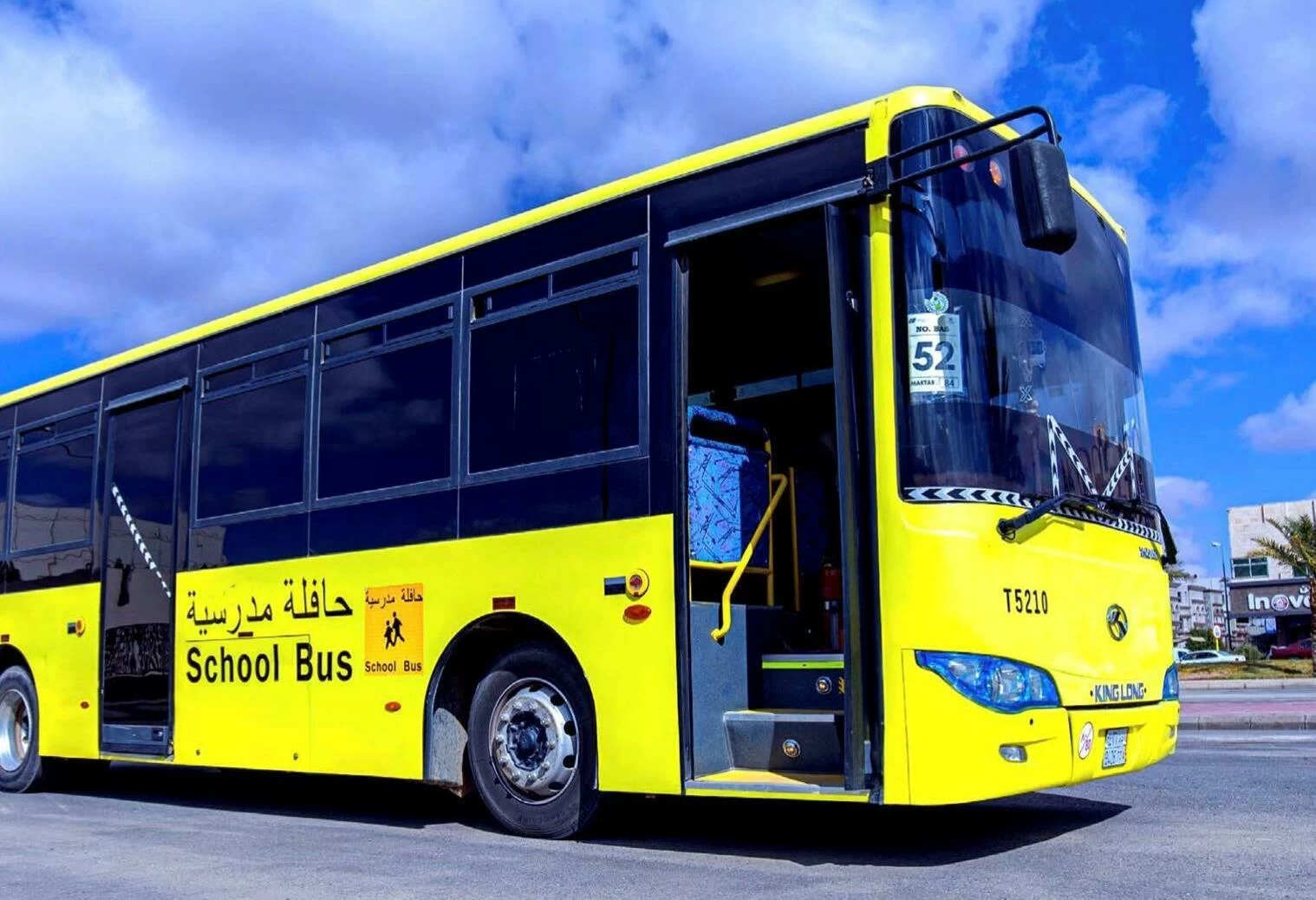
ودعت الهيئة أولياء الأمور إلى الاعتماد على خدمات النقل التعليمي النظامية والمرخصة والمتاحة عبر خيارات متعددة، وتجنّب التعامل مع الناقلين غير النظاميين لما قد تشكّله ممارساتهم من مخاطر على سلامة الطلاب والطالبات، إضافة إلى عدم التزامهم بالاشتراطات والمعايير المعتمدة، مما يعرّض الأبناء لمخاطر يمكن تجنّبها بالالتزام بالخدمات الرسمية. كما أشارت الهيئة إلى أن الحافلات النظامية تتميّز بعدد من العلامات التعريفية التي تمكّن المستفيدين من التعرّف عليها بسهولة، من أبرزها وجود اللوحة الصفراء الخاصة بالحافلات التعليمية، ووجود ذراع التوقف (STOP) على جانبي الحافلة، إضافة إلى رقم التواصل لخدمة العملاء المثبت على الحافلة، وملصق يحمل عبارة «حافلة تعليمية»، إلى جانب رقم الترخيص وبطاقة التشغيل ورقم الحافلة الخاص بالمنشأة المقدّمة للخدمة والموجود في واجهة الحافلة وخلفها. وأكدت الهيئة أن هذه العلامات تساعد أولياء الأمور والجهات التعليمية على التمييز بين الحافلات النظامية وغير النظامية، وتضمن أن تكون الحافلة خاضعة للرقابة ومطابقة لمعايير السلامة، بما يعزّز الثقة في خدمات النقل التعليمي ويضمن سلامة الطلاب والطالبات طوال رحلتهم اليومية.
The safety of students during their daily commute to school is a community responsibility that cannot be taken lightly. Choosing unlicensed transportation exposes our children to serious security and traffic risks, especially when the vehicles are not monitored or do not meet the approved safety standards. Experts in the fields of traffic and transportation have warned about the spread of unregulated school buses that lack the necessary engineering and mechanical equipment, making them unqualified to transport students safely, and complicating the ability of regulatory authorities to monitor those vehicles or hold their operators accountable in the event of accidents.
Security and safety experts emphasize that regulated school transportation is not just an option, but a necessity to ensure the protection of students. Drivers and operating companies must meet mandatory requirements, including the driver possessing a valid public transport driving license, passing a medical examination, adhering to specified speed limits and traffic regulations, in addition to being trained to handle emergency situations. Operating companies must also register the buses with official systems, conduct regular vehicle inspections, provide trained supervisors to accompany students, install tracking systems and internal cameras, and comply with safety standards issued by the relevant authorities.
The role of families and schools in promoting a culture of safety is crucial, by ensuring that the bus is licensed and affiliated with an official entity, monitoring the driver's adherence to the specified route, and educating students about safe behaviors inside the bus. Providing safe school transportation is not just a service; it is an investment in protecting our children's future and ensuring they reach a safe educational environment every day without risks that can be avoided by adhering to regulations and instructions.
Significant Risks
Traffic expert retired General Mohammed Al-Qahtani points to the unreliability of drivers working in unregulated school transportation, warning in an interview with "Okaz" about the lack of actual oversight on drivers and the failure to verify their security records or whether they have obtained the necessary licenses to engage in this activity related to the safety of students. He explained that allowing drivers who do not meet the requirements to work in school transportation poses a direct danger to students' lives and places families and educational institutions at risk that cannot be taken lightly.
General Al-Qahtani highlighted the necessity of having a set of mandatory requirements for drivers working in school transportation, foremost among them being the possession of a professional driver card that proves their qualification to work in this field, and that the license to practice the activity is valid. Additionally, the driver must hold a valid driving license that allows them to operate buses in accordance with traffic regulations and their executive bylaws. He also emphasized the importance of the driver's criminal record being free of prior offenses, passing the professional competency test provided by accredited centers, and ensuring that the driver's identity is valid to guarantee the accuracy of their data and compliance with regulations.
A Contractual Relationship is Essential
General Al-Qahtani believes it is essential to have an official contractual relationship between the driver and the entity providing the school transportation service, with all data documented with the relevant authorities, and that the driver's profession on the resident's identity should be "Bus Driver" for non-Saudi drivers working in this activity, to ensure that the profession aligns with the nature of the work. He stressed the importance of the driver being linked to the unified identity number of the service-providing entity or having a formal contractual relationship with it, ensuring their accountability, ease of tracking their responsibilities, and enabling the relevant authorities to hold them accountable in the event of any violations or accidents. He pointed out that these requirements are not mere formalities but are essential prerequisites aimed at raising the level of safety in school transportation and ensuring that the driver is qualified and meets professional and security standards, which enhances parents' trust and ensures that students reach their schools safely.
Comprehensive Bus Inspection
Security expert retired General Hussein Al-Harithi told "Okaz" that the regulations and instructions related to educational transportation emphasize the necessity for drivers working with service-providing entities, as well as individual service providers, to conduct a quick and comprehensive inspection of the bus before driving and whenever necessary, through an approved record provided by the entity or prepared by the individual service provider. This inspection aims to ensure the safety of the brakes, tires, lights, audible and visual warning signals, windshield and rear window wipers, and the safety of side mirrors and front and rear glass, in addition to checking for any leaks in the bus fluids or excessive smoke from the exhaust, and ensuring the proper functioning of seat belts, as well as compliance with the equipment, requirements, specifications, and safety standards approved by the authority for the bus.
Important Tips for Drivers
General Al-Harithi added that it is essential to ensure the availability of safety and security tools and requirements inside the bus, such as fire extinguishers, first aid kits, and safety triangles, in addition to quick repair kits and a spare tire, and that all these tools are in usable condition and comply with the requirements of the relevant authorities, through a record provided by the service provider to ensure the bus's readiness at all times.
He emphasized the importance of checking the condition of the dashboard indicators in the bus and not driving it if any warning signs appear that may affect its safety while in motion, stressing the necessity of a complete stop when students are boarding or alighting, and in designated or appropriate areas, to ensure their safety during movement.
The security expert General Hussein Al-Harithi provided a set of mandatory tips that drivers of educational transport buses must adhere to, including the necessity of using the stop arm marked with the (Stop) sign when students are crossing the road after getting off the bus or when boarding it, and ensuring they are seated and the doors are closed before starting the journey and during it, and not opening the doors until a complete stop is made. He also stressed the need to ensure that the bus aisle and exits are free of any obstacles, and to assist students with disabilities when boarding or alighting from the bus if no companion is present, while ensuring the safety of all students and confirming their seating in the absence of a companion, and not dropping them off at locations that do not comply with the educational institution or residence.
General Al-Harithi concluded by emphasizing the necessity of ensuring that the bus is completely free of all students after the journey ends, as this is one of the most important safety measures that prevents tragic accidents that can be avoided by adhering to instructions and continuous monitoring.
Regular Bus Inspection
Retired General Musfer Al-Juaid pointed out a set of requirements that the entity providing educational transportation services must adhere to ensure the safety of students during their daily trips, explaining that the service must be provided according to specified routes, announced fares, and regular trips with clear schedules, ensuring operational discipline and ease of monitoring the buses by regulatory authorities and parents. He also stressed the need to operate buses that comply with the equipment, requirements, specifications, and safety standards approved, and that these buses must be fully equipped according to the standards approved by one of the accredited technical equipment and electronic services providers, to ensure their technical readiness and ability to operate at the highest levels of safety.
Al-Juaid added in his remarks to "Okaz" that it is the duty of the entity to provide basic safety tools and requirements inside the bus, such as fire extinguishers, first aid kits, and safety triangles, in addition to quick repair kits and a spare tire, and to ensure the usability of all these tools according to the requirements of the relevant authorities. He emphasized the importance of taking complete care of the bus's maintenance and preserving its technical condition, by conducting regular inspections and addressing any malfunctions or observations as soon as they arise, ensuring the bus's continued readiness and preventing risks during the transportation of students. General Al-Juaid pointed out that adherence to these requirements is not merely regulatory but is an essential part of the safety system aimed at protecting students and enhancing trust in educational transportation services, ensuring the provision of a safe and regulated service that complies with the approved national standards.
Warning to Parents
The Public Transport Authority has warned parents against dealing with unregulated student transporters coinciding with the start of the new school year, confirming the continuation of its monitoring tours to detect violations and ensure the provision of safe and reliable school trips for students. The authority stressed that the safety of students is a top priority, urging parents to take advantage of licensed educational transportation services, while simultaneously warning against the risks posed by unregulated practices due to their non-compliance with the approved safety requirements and standards.
The authority explained that its monitoring teams conduct intensive inspection tours on educational transport buses to verify compliance with technical and security standards, and to enhance the quality of school transportation services, contributing to providing a safe and reliable journey for students to and from educational institutions. It confirmed that these tours are part of its ongoing efforts to enhance traffic safety and reduce the risks resulting from the use of unregulated buses that may not be subject to oversight or regular maintenance.
The authority urged parents to rely on regulated and licensed educational transportation services available through multiple options, and to avoid dealing with unregulated transporters due to the potential risks their practices pose to the safety of students, in addition to their non-compliance with the approved requirements and standards, which exposes children to risks that can be avoided by adhering to official services. The authority also indicated that regulated buses are distinguished by a number of identifying signs that enable beneficiaries to recognize them easily, most notably the yellow sign specific to educational buses, the presence of the stop arm (STOP) on both sides of the bus, in addition to the customer service contact number displayed on the bus, and a sticker bearing the phrase "Educational Bus," along with the license number, operating card, and the bus number specific to the service-providing entity displayed on the front and back of the bus. The authority confirmed that these signs help parents and educational institutions differentiate between regulated and unregulated buses, ensuring that the bus is subject to oversight and complies with safety standards, thereby enhancing trust in educational transportation services and ensuring the safety of students throughout their daily journey.