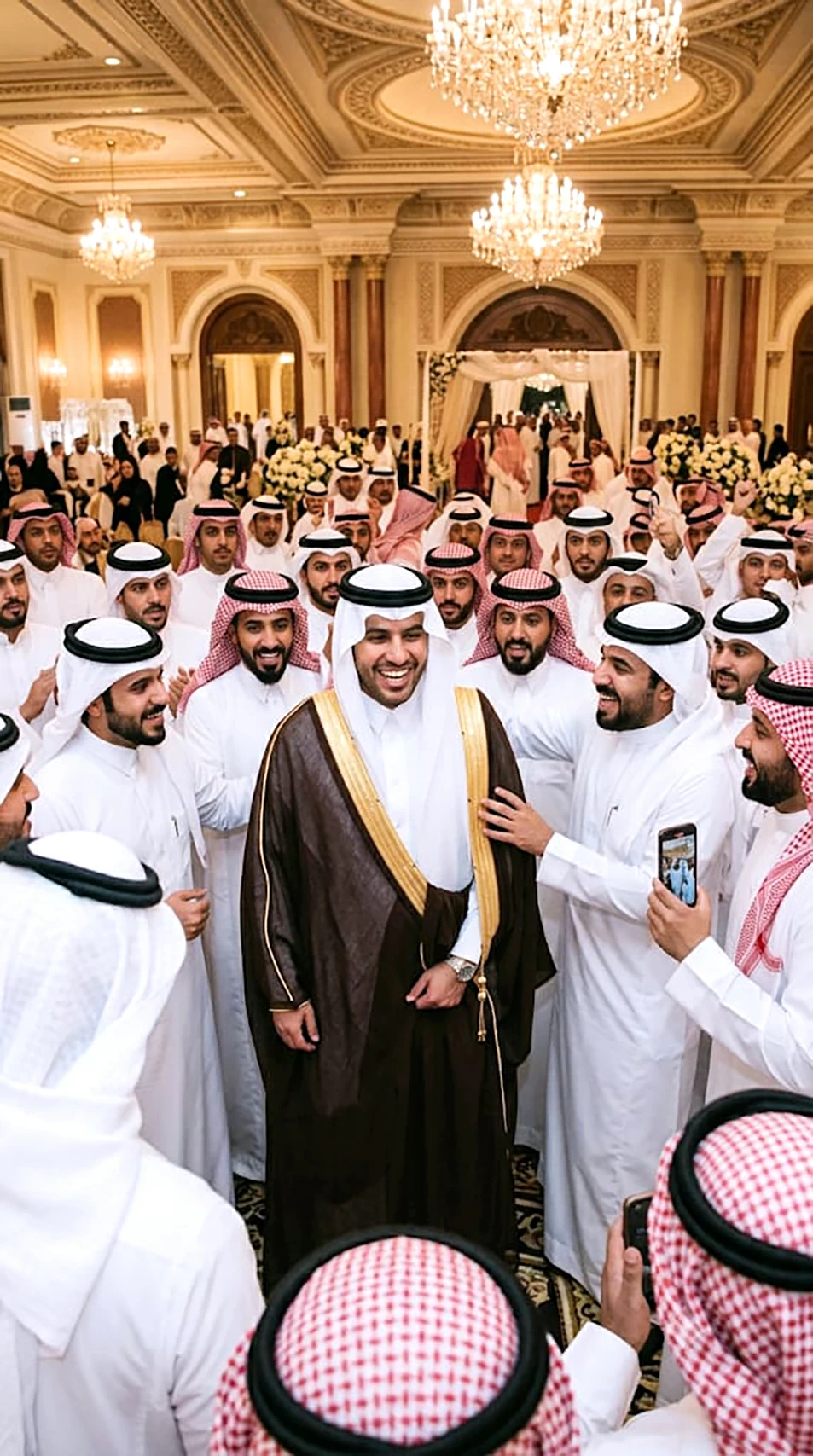
«وصيف العريس».. هو من يرافق العريس في حفل الزفاف، ويساعده في ترتيبات ومهمات الحفل، ويُعرف بالإنجليزية بـ«Best Man»، ولا يقتصر دور الوصيف على الجانب الشكلي أو المشاركة في الصور، بل يمتد إلى تقديم الدعم العملي والمعنوي للعريس، بدءاً من مساعدته في اختيار وتجهيز ملابس الزفاف، ومتابعة التفاصيل التنظيمية، وصولاً إلى الوقوف إلى جانبه أثناء مراسم الحفل واستقبال الضيوف.
في بعض حفلات الزفاف، يتولى الوصيف مهمات محددة، مثل التأكد من جاهزية العريس ومرافقته إلى موقع الحفل، والتنسيق مع أفراد الأسرة والمنظمين، والتعامل مع بعض التفاصيل الطارئة، بما يخفف عن العريس ضغوط يوم الزفاف ويمنحه فرصة للاستمتاع بمناسبته.
ويختلف حضور وصيف العريس ومهماته من مجتمع إلى آخر، إلا أن القاسم المشترك يبقى في كونه شخصاً مقرباً يختاره العريس لمشاركته المناسبة، ودعمه في واحدة من أهم محطات حياته.
وتحوّل حضور وصيف العريس في السنوات الأخيرة إلى مساحة لإبراز الأناقة والتناسق في الإطلالة، إذ يحرص كثير من العرسان على تنسيق ملابس الوصيف بما يتناسب مع بدلة العريس وألوان الحفل، مع الحفاظ على تميز إطلالة العريس بوصفه محور المناسبة.
ويحظى اختيار الوصيف عادةً باهتمام خاص، لما يتمتع به من ثقة العريس وقربه، وقد يكون شقيقاً أو صديقاً مقرباً أو أحد أفراد العائلة.
وتزداد أهمية دوره في المناسبات الكبيرة التي تتعدد فيها تفاصيل الحفل، إذ يسهم وجوده في تنظيم بعض المهمات ومساندة العريس بعيداً عن أجواء التوتر والانشغال.
وفي النهاية، يبقى وصيف العريس أكثر من مجرد حضور إلى جانب العريس، فهو رفيق المناسبة، وسند في تفاصيلها، وشخص يشارك العريس فرحته ويحرص على أن تمر ليلة العمر بأجمل صورة ممكنة.
فهل أصبح «وصيف العريس» ظاهرة مقبولة اجتماعياً، أم أن المجتمع لا يزال متحفظاً تجاه هذا الدور؟ وهل هو امتداد لعادات قديمة في الوقوف مع العريس ومساندته، أم مظهر جديد فرضته ثقافة المشاهير والسوشال ميديا؟ هل نحن أمام تطور طبيعي في شكل الاحتفال، أم تقليد جديد قد يحمل معه أعباءً اجتماعية ومادية؟
تحوّل في النمط الاجتماعي
ولفهم هذه الظاهرة وأبعادها، طرقت «عكاظ» أبواب المختصين في علم الاجتماع وعلم النفس، ومهتمين بالثقافة المجتمعية، للوقوف على أسباب انتشارها، وكيف يتعامل معها المجتمع، وما إذا كانت تضيف قيمة حقيقية للعريس أم تتحول إلى عبء جديد في يوم يفترض أن يكون مليئاً بالبساطة والفرح.
والبداية مع البروفيسور في الطب النفسي الإكلينيكي الدكتور جمال الطويرقي، الذي أوضح لـ«عكاظ»، أن ظاهرة مرافقي العريس والعروس التي بدأت تظهر في بعض حفلات الزواج تمثّل تحولاً في أنماط اجتماعية كانت في السابق أكثر ارتباطاً بالأسرة والأقارب. ويرى الطويرقي أن هذا التحوّل يعكس تغيراً في طبيعة العلاقات الاجتماعية، إذ باتت المناسبات تُدار بطريقة أكثر تنظيماً واحترافية، مع حضور واضح لتأثير الإعلام الجديد وثقافة الصورة التي تدفع الكثيرين إلى تبني مظاهر احتفالية مستوحاة من المشاهير أو من تجارب عالمية.
ويشير الدكتور الطويرقي إلى أن وجود «وصيف العريس» أو «وصيفة العروس» قد يُفهم بوصفه محاولة لتخفيف الضغط النفسي عن العروسين في يوم مليء بالتفاصيل، لكنه في الوقت ذاته قد يفتح الباب أمام توقعات اجتماعية جديدة، وربما أعباء مادية إضافية، خصوصاً إذا تحوّل الدور من دعم معنوي إلى التزام شكلي أو استعراضي.
وأوضح أن العادات القديمة كانت تقوم على مشاركة الأقارب المقربين للعريس فرحته من خلال مرافقتهم له وحمل الهدايا إلى منزل العروس في مناسبة الملكة أو الزواج، وكذلك الحال بالنسبة للعروس، مؤكداً أن هذه المشاركة كانت تحمل طابعاً عائلياً واجتماعياً واضحاً.
اتساع دائرة المرافقين
الطويرقي يشير إلى أن الجديد في الظاهرة يتمثل في اتساع دائرة المرافقين لتشمل أصدقاء وزملاء لا تربطهم بالعريس صلة قرابة بالضرورة، معتبراً أن الأمر يستدعي التوقف عند حدوده الاجتماعية ومدى ملاءمته للخصوصية التي تحيط بالعلاقة الزوجية. وأضاف أن تقليد بعض المظاهر القادمة من مجتمعات أخرى دون النظر في ملاءمتها للثقافة المحلية قد يؤدي إلى تبعات اجتماعية ونفسية ومادية غير محسوبة، مؤكداً أن الانفتاح على الثقافات الأخرى لا يعني بالضرورة تبني جميع ممارساتها.
ولفت الدكتور الطويرقي إلى أن حفلات الزواج أصبحت في بعض الحالات تحمل تكاليف إضافية نتيجة التوسع في أعداد الحضور والمظاهر المصاحبة للمناسبة، في وقت يعاني فيه بعض الشباب من ارتفاع تكاليف الزواج والذهب والشبكة والحفلات، مشيراً إلى أن المبالغة في الإنفاق قد تشكل أحد الضغوط التي تواجه القادمين على الزواج.
وأكد أن المجتمع السعودي عرف عبر تاريخه عادات وتقاليد تتناسب مع قيمه الدينية والاجتماعية، وأن الاستفادة من التطور لا تعني التخلي عن الخصوصية الثقافية، موضحاً أن هناك فرقاً بين الاستفادة من المنتجات والتقنيات الحديثة وبين استيراد ممارسات اجتماعية لا تتناسب بالضرورة مع طبيعة المجتمع.
ودعا الدكتور الطويرقي، الأسر والشباب والشابات إلى التعامل بوعي مع الظواهر الاجتماعية الجديدة وعدم الانسياق خلف التقليد لمجرد انتشار الممارسة أو رواجها، مؤكداً أهمية المحافظة على الخصوصية والاحترام المتبادل في مناسبات الزواج.
وبيّن أن بعض الممارسات الدخيلة قد تبدأ باعتبارها مظاهر احتفالية بسيطة ثم تتحول مع الوقت إلى أعراف اجتماعية تفرض نفسها على الأسر وتزيد من الأعباء المادية والنفسية على القادمين على الزواج.
وختم بتأكيد أهمية التوازن بين الانفتاح على العالم والمحافظة على القيم والعادات التي تتوافق مع هوية المجتمع السعودي، مشدداً على أن ليس كل ما ينتشر أو يلقى رواجاً في المجتمعات الأخرى مناسباً بالضرورة للتطبيق في المجتمع المحلي.
ليست دخيلة في أصلها
الأخصائي الاجتماعي والمرشد الأسري عبدالمحسن الحنّان، يرى أن المشكلة لا تكمن في وجود «وصيف العريس» بحد ذاته، بل في تحوّل هذا الدور من مشاركة طبيعية إلى حالة من الاستعراض والمبالغة. ويؤكد أن الظاهرة ليست دخيلة على المجتمع السعودي في أصلها، إذ إن مشاركة الأصدقاء للعريس والوقوف إلى جانبه عادة قديمة ومتجذرة، وكانت تُمارس بشكل تلقائي وبسيط دون مسميات أو مظاهر لافتة.
لكن الشكل الحديث للظاهرة تأثر بشكل مباشر بما يُشاهد عبر منصات التواصل الاجتماعي من ممارسات المشاهير وبعض الثقافات الأخرى، ما دفع البعض إلى تبني نمط احتفالي جديد يقوم على التنسيق المبالغ فيه، والظهور الجماعي، وتحمّل تكاليف إضافية لا ترتبط بالمعنى الحقيقي للدعم الاجتماعي. ويشير الدكتور الحنّان، إلى أن هذا التحول قد يخلق ضغطاً على العريس وأصدقائه، ويحوّل المناسبة من مساحة للفرح إلى التزام اجتماعي ثقيل، إذا لم يُحافظ على بساطته وهدفه الأساسي.
وأوضح أن تأثير الظاهرة على الشباب يظهر بشكل أكبر من خلال التقليد والمقارنة الاجتماعية، إذ قد تجعل بعض المظاهر الحديثة تبدو وكأنها جزء أساسي من مراسم الزواج، إلى جانب زيادة الاهتمام بالمظهر والاستعراض.
وأشار إلى أن مشاهدة الشاب لشخصية مشهورة تظهر في حفل زفافها بطريقة معينة قد تحول تلك الصورة إلى نموذج يرغب الآخرون في تقليده، حتى وإن لم تكن الممارسة متناسبة مع ثقافتهم أو ظروفهم.
وأضاف أن وسائل التواصل الاجتماعي أسهمت في تحويل بعض حفلات الزواج من مناسبة اجتماعية وعائلية إلى مشهد استعراضي يقاس أحياناً بجمال التصوير والملابس والتنظيم وعدد المشاركين، بدلاً من كونها مناسبة تجمع الأسرة والأصدقاء للاحتفاء بالعروسين.
تغيير مفهوم الاحتفال
الأخصائي الحنّان، بيّن أن ذلك قد يخلق ضغطاً اجتماعياً على الشباب، إذ يشعر البعض بضرورة تقديم حفل أو مظهر مشابه لما يشاهدونه لدى المشاهير، حتى لا يبدو أقل منهم، الأمر الذي قد يقود إلى تكاليف إضافية ومبالغات لا يحتاج إليها الزواج.
ولفت إلى أن الجانب الأكثر أهمية يتمثل في إعادة تعريف بعض المفاهيم الاجتماعية، إذ إن الإشكالية ليست في وجود «وصيف العريس» بحد ذاته، وإنما في أن تتغير معه تدريجياً صورة ما يعتبره الشباب طبيعياً أو مقبولاً في الزواج، خصوصاً عندما يصبح التقليد أقوى من فهم أصل العادة وسياقها.
وأكد أن الظاهرة قد تسهم في تغيير مفهوم الاحتفال والزواج تدريجياً وتحويل بعض العادات من ممارسة اختيارية إلى معيار اجتماعي يشعر الشباب بضرورة مواكبته.
وشدد على أن دخول أفكار جديدة إلى المجتمع ليس مشكلة في حد ذاته؛ فالمجتمعات بطبيعتها تتغير وتتطور، وإنما الإشكالية في تبني أي ظاهرة لمجرد انتشارها بين المشاهير، دون التساؤل عن مدى ملاءمتها للقيم والعادات المحلية.
وختم بقوله إن المطلوب ليس رفض كل جديد، وإنما الوعي في الاختيار حتى يبقى التطور إضافة للمجتمع لا سبباً في تغيير هويته.
تعزيز البساطة والاعتدال
أستاذ الإعلام بجامعة الملك سعود الدكتور جارح فارس المرشدي قال لـ«عكاظ»: صاحب التطور التقني وسهولة الوصول إلى المعلومات ونشرها ظهور ظواهر اجتماعية جديدة، من بينها تنامي تأثير بعض «المشاهير» بوصفهم قدوات ورموزاً رقمية، خصوصاً لدى صغار السن، قبل أن يمتد تأثيرهم إلى مختلف الفئات العمرية، بما أسهم في تغيير مفهوم القدوة وتكريس بعض المظاهر الاجتماعية المكلفة.
وأشار إلى أن ظاهرة «وصيف العريس» تمثل أحد هذه المظاهر، إذ تدفع بعض أصدقاء العريس إلى شراء ملابس مماثلة لملابسه، بما قد يحمّل بعضهم أعباء مالية وديوناً، تحت مبرر مشاركة العريس فرحته والوقوف إلى جانبه.
وأكد الدكتور المرشدي أن مثل هذه المظاهر تستدعي وقفة جادة من المتخصصين ورجال المجتمع، إلى جانب إطلاق حملات توعوية تسهم في تصحيح المفاهيم وتعزيز البساطة والاعتدال، والحد من المغالاة في المظاهر التي لا تعكس حقيقة الفرح.
وختم بالقول إن الفرح الحقيقي لا يحتاج إلى تصنع أو مبالغة، داعياً إلى الاحتفاء بالمناسبات ببساطة، بعيداً عن المظاهر المؤقتة التي قد تتحول إلى أعباء مالية تستمر آثارها لأشهر.
تحوّلات في صناعة الصورة
التربوي الدكتور محمد العمري يشير في حديثه لـ«عكاظ»: إلى أن ظهور «وصيف العريس» ليس مجرد تفصيل عابر في حفلات الزواج، بل انعكاس مباشر لتحوّلات أعمق في الخطاب الإعلامي وصناعة الصورة. ويؤكد أن وسائل الإعلام التقليدية ومنصات التواصل الاجتماعي لعبت دوراً محورياً في إعادة تشكيل مفهوم الاحتفال، عبر إبراز نماذج جديدة من التنسيق والمظاهر المصاحبة للزفاف، ما جعل بعض الأدوار — ومنها وصيف العريس — تنتقل من كونها مشاركة اجتماعية بسيطة إلى عنصر بصري يُراد إبرازه وتوثيقه.
ويرى الدكتور العمري أن الإعلام، بقدر ما ساهم في انتشار الظاهرة، فإنه في الوقت نفسه يسلّط الضوء على مخاوف المجتمع من تحوّل هذه الأدوار إلى استعراض قد يحمّل الشباب أعباءً مادية ومعنوية لا ضرورة لها. ويشير إلى أن التغطيات الإعلامية غالباً ما تتناول الظاهرة من زاويتين: الأولى بوصفها امتداداً طبيعياً لعلاقات الصداقة والدعم النفسي للعريس، والثانية باعتبارها جزءاً من موجة «التجميل الإعلامي» التي تجعل كل تفصيلة في الزفاف قابلة للمقارنة والتقليد.
ويضيف الدكتور العمري أن الإعلام اليوم لا يكتفي بنقل الحدث، بل يصنعه ويعيد تشكيله، ما يجعل ظاهرة مثل «وصيف العريس» قابلة للانتشار السريع، خصوصاً بين الشباب الذين يتأثرون بما يشاهدونه في محتوى المشاهير وصنّاع الصورة. ومع ذلك، يؤكد أن الدور يمكن أن يبقى إيجابياً ومفيداً إذا ظل في إطار الدعم الحقيقي للعريس، بعيداً عن المبالغة أو الضغط الاجتماعي.
كل شخص حر في ما يختار!
للشباب رأيهم في الظاهرة، إذ يقول عدد منهم إن انتشار «وصيف العريس» جاء نتيجة طبيعية لتأثير المشاهير وصناع المحتوى، الذين جعلوا من حفلات الزواج مساحة للاستعراض وتنسيق المشهد أكثر من كونها مناسبة اجتماعية بسيطة. ويشير بعضهم إلى أن الدور قد يكون ممتعاً ويعزّز روح الصداقة، لكنه في الوقت ذاته يضعهم تحت ضغط التوقعات، سواء من ناحية المظهر أو الالتزامات المادية أو حتى ضرورة الظهور بصورة «مثالية» أمام الجمهور الرقمي.
فيما يرى آخرون أن الظاهرة لا تمثل مشكلة بحد ذاتها، بل تصبح كذلك عندما تتحوّل إلى منافسة أو عبء، مؤكدين أن المشاركة في يوم العريس يجب أن تبقى نابعة من المحبة والدعم، لا من الرغبة في الظهور أو مجاراة ما يُعرض على منصات التواصل.
ويقول عبدالله السنيد إن وصيف العريس فكرة جميلة، خصوصاً إذا كان من المقربين للعريس ويسانده خلال يوم الزواج الذي قد يكون مليئاً بالتوتر والانشغال، مشيراً إلى أن المشكلة تبدأ عندما تتحوّل الفكرة إلى مجرد مظهر وتصوير وتقليد للآخرين.
فيما يرى فهد أن الظاهرة تعد من الموضات التي انتشرت خلال الفترة الأخيرة بفعل منصات التواصل الاجتماعي، موضحاً أنه لا يرى مشكلة فيها، بل قد تكون جميلة، لكنها ليست أمراً أساسياً في الزواج، مؤكداً أن لكل شخص حرية اختيار ما يناسبه دون أن تتحوّل إلى ممارسة مفروضة أو معيار اجتماعي يجب على الجميع مواكبته.
أما خالد، فيرى أن الظاهرة جديدة نسبياً ولم تكن منتشرة بهذا الشكل سابقاً، مبيّناً أن وجود الوصيف يكون إيجابياً عندما يكون دوره فعلياً في مساعدة العريس والوقوف إلى جانبه في التنظيم، لكنه لا يرى جدوى منها إذا اقتصر دور الوصيف على ارتداء ملابس معينة والتصوير مع العريس.
وأكد أن الأهم في النهاية هو الزواج نفسه وراحة العريس وأهله، بعيداً عن المظاهر التي قد تضيف أعباء لا حاجة لها.
ويرى أحمد نايف أن ظاهرة وصيف العريس تعد من المظاهر الجديدة على المجتمع السعودي، التي ساهم في انتشارها عدد من المشاهير عبر وسائل التواصل الاجتماعي بهدف زيادة المتابعين والظهور بشكل مختلف.
وأوضح أن هذه الممارسة ليست من العادات والتقاليد المعروفة، مشيراً إلى أن وقوف الأصدقاء والزملاء مع العريس في زواجه أمر متعارف عليه منذ زمن، لكن بصور مختلفة تتمثل في المساعدة في إعداد العشاء واستقبال الضيوف ومساندة العريس في تفاصيل الزواج، إضافة إلى «العانية»، وهي المساعدات المالية التي يقدّمها الأصدقاء والأقارب للعريس.
وأكد أن دعم العريس والوقوف معه يمثل قيمة اجتماعية جميلة ومتجذرة في المجتمع، إلا أن تحويلها إلى مظهر جديد قائم على الاستعراض والتصوير قد يخرج بها عن معناها الحقيقي.
“The Best Man” is the one who accompanies the groom at the wedding ceremony, assisting him with arrangements and tasks related to the event. In English, he is known as the “Best Man.” The role of the Best Man is not limited to the formal aspect or participating in photos; it extends to providing practical and moral support to the groom, starting from helping him choose and prepare his wedding attire, following up on organizational details, to standing by his side during the ceremony and welcoming guests.
In some weddings, the Best Man takes on specific tasks, such as ensuring the groom is ready and accompanying him to the venue, coordinating with family members and organizers, and handling some urgent details, which alleviates the pressure on the groom on his wedding day and allows him to enjoy his occasion.
The presence of the Best Man and his duties vary from one community to another, but the common denominator remains that he is a close person chosen by the groom to share this occasion and support him in one of the most important milestones of his life.
In recent years, the Best Man's presence has transformed into an opportunity to showcase elegance and harmony in appearance, as many grooms are keen to coordinate the Best Man’s attire to match the groom’s suit and the wedding colors, while maintaining the groom's distinctive look as the focal point of the event.
The choice of the Best Man usually receives special attention, given the trust and closeness he shares with the groom, and he may be a brother, a close friend, or a family member.
His role becomes even more significant in large events where the details of the ceremony are numerous, as his presence contributes to organizing some tasks and supporting the groom away from the atmosphere of stress and busyness.
Ultimately, the Best Man is more than just a presence beside the groom; he is the companion of the occasion, a support in its details, and a person who shares the groom's joy and ensures that the night of a lifetime passes in the best possible way.
So, has the “Best Man” become a socially accepted phenomenon, or is society still reserved about this role? Is it an extension of old customs of standing by the groom and supporting him, or a new trend imposed by celebrity culture and social media? Are we witnessing a natural evolution in the form of celebration, or a new tradition that may carry social and financial burdens?
A Shift in Social Patterns
To understand this phenomenon and its dimensions, “Okaz” consulted specialists in sociology and psychology, as well as those interested in societal culture, to explore the reasons for its spread, how society deals with it, and whether it adds real value to the groom or turns into a new burden on a day that should be filled with simplicity and joy.
Starting with Professor of Clinical Psychiatry Dr. Jamal Al-Tuwairqi, who explained to “Okaz” that the phenomenon of the groom’s and bride’s companions, which has begun to appear in some weddings, represents a shift in social patterns that were previously more connected to family and relatives. Al-Tuwairqi believes that this shift reflects a change in the nature of social relationships, as events are now managed in a more organized and professional manner, with a clear influence from new media and image culture that drives many to adopt celebratory forms inspired by celebrities or global experiences.
Dr. Al-Tuwairqi points out that the presence of the “Best Man” or “Maid of Honor” can be understood as an attempt to alleviate the psychological pressure on the bride and groom on a day filled with details, but at the same time, it may open the door to new social expectations and possibly additional financial burdens, especially if the role shifts from moral support to a formal or performative obligation.
He clarified that old customs were based on close relatives of the groom sharing his joy by accompanying him and carrying gifts to the bride’s house during the engagement or wedding ceremony, and the same applies to the bride, emphasizing that this participation had a clear familial and social character.
Expanding the Circle of Companions
Al-Tuwairqi notes that the novelty of the phenomenon lies in the expansion of the circle of companions to include friends and colleagues who are not necessarily related to the groom, considering that this calls for a pause to examine its social boundaries and its appropriateness to the privacy surrounding the marital relationship. He added that imitating some aspects from other societies without considering their suitability to the local culture may lead to unforeseen social, psychological, and financial repercussions, emphasizing that openness to other cultures does not necessarily mean adopting all their practices.
Dr. Al-Tuwairqi pointed out that wedding ceremonies have, in some cases, incurred additional costs due to the increase in the number of attendees and the accompanying displays, at a time when some young people are struggling with rising costs of marriage, gold, and wedding parties, noting that excessive spending may represent one of the pressures faced by those about to marry.
He affirmed that Saudi society has historically known customs and traditions that align with its religious and social values, and that benefiting from development does not mean abandoning cultural privacy, explaining that there is a difference between benefiting from modern products and technologies and importing social practices that do not necessarily align with the nature of society.
Dr. Al-Tuwairqi urged families and young men and women to deal consciously with new social phenomena and not to follow trends merely because of their spread or popularity, emphasizing the importance of maintaining privacy and mutual respect in wedding occasions.
He indicated that some intrusive practices may start as simple celebratory forms and then gradually turn into social norms that impose themselves on families and increase the financial and psychological burdens on those about to marry.
He concluded by stressing the importance of balancing openness to the world while preserving values and traditions that align with the identity of Saudi society, emphasizing that not everything that spreads or gains popularity in other societies is necessarily suitable for application in the local community.
Not Intrusive in Its Essence
Social specialist and family counselor Abdul Mohsen Al-Hannan believes that the issue does not lie in the existence of the “Best Man” itself, but in the transformation of this role from a natural participation to a state of exhibitionism and exaggeration. He asserts that the phenomenon is not foreign to Saudi society in its essence, as the participation of friends in supporting the groom has been an old and deep-rooted tradition, practiced spontaneously and simply without labels or conspicuous displays.
However, the modern form of the phenomenon has been directly influenced by what is seen on social media platforms from the practices of celebrities and some other cultures, which has led some to adopt a new celebratory style based on excessive coordination, collective appearances, and bearing additional costs that are not related to the true meaning of social support. Dr. Al-Hannan points out that this shift may create pressure on the groom and his friends, turning the occasion from a space of joy into a heavy social obligation if its simplicity and primary purpose are not maintained.
He explained that the impact of the phenomenon on young people is more evident through imitation and social comparison, as some modern displays may make it seem as though they are an essential part of wedding ceremonies, alongside an increased focus on appearance and exhibitionism.
He noted that seeing a famous personality appearing at their wedding in a certain way may turn that image into a model that others wish to imitate, even if the practice does not align with their culture or circumstances.
He added that social media has contributed to transforming some weddings from a social and family occasion into a spectacle that is sometimes measured by the beauty of photography, clothing, organization, and the number of participants, rather than being an occasion that brings family and friends together to celebrate the bride and groom.
Changing the Concept of Celebration
Specialist Al-Hannan indicated that this may create social pressure on young people, as some feel the need to present a party or appearance similar to what they see among celebrities, so as not to appear less than them, which may lead to additional costs and exaggerations that are unnecessary for marriage.
He pointed out that the most important aspect lies in redefining some social concepts, as the issue is not in the existence of the “Best Man” itself, but in the gradual change of the image of what young people consider normal or acceptable in marriage, especially when imitation becomes stronger than understanding the origin of the custom and its context.
He affirmed that the phenomenon may contribute to gradually changing the concept of celebration and marriage, transforming some customs from optional practices into social standards that young people feel the need to keep up with.
He emphasized that the introduction of new ideas into society is not a problem in itself; societies naturally change and evolve, but the issue lies in adopting any phenomenon merely because it is popular among celebrities, without questioning its appropriateness to local values and customs.
He concluded by stating that what is needed is not to reject everything new, but to be conscious in choosing so that development remains an addition to society rather than a reason for changing its identity.
Promoting Simplicity and Moderation
Professor of Media at King Saud University Dr. Jarrah Faris Al-Murshidi told “Okaz”: The technological development and ease of access to information and its dissemination have led to the emergence of new social phenomena, including the growing influence of some “celebrities” as role models and digital icons, especially among the younger generation, before their influence extends to various age groups, contributing to changing the concept of role models and entrenching some costly social displays.
He noted that the phenomenon of the “Best Man” represents one of these displays, as it drives some of the groom’s friends to buy outfits similar to his, which may impose financial burdens and debts on some, under the pretext of sharing the groom’s joy and standing by him.
Dr. Al-Murshidi affirmed that such displays require a serious pause from specialists and community leaders, alongside launching awareness campaigns that contribute to correcting concepts and promoting simplicity and moderation, and limiting exaggeration in displays that do not reflect the true joy.
He concluded by saying that true joy does not require artificiality or exaggeration, calling for celebrating occasions simply, away from temporary displays that may turn into financial burdens whose effects last for months.
Transformations in Image Production
Educator Dr. Mohammed Al-Omari pointed out in his conversation with “Okaz” that the emergence of the “Best Man” is not just a passing detail in wedding ceremonies, but a direct reflection of deeper transformations in media discourse and image production. He affirms that traditional media and social media platforms have played a pivotal role in reshaping the concept of celebration, by highlighting new models of coordination and accompanying displays of weddings, which has made some roles — including the Best Man — shift from being simple social participation to a visual element intended to be highlighted and documented.
Dr. Al-Omari believes that the media, as much as it has contributed to the spread of the phenomenon, at the same time sheds light on the community's fears of these roles turning into displays that may impose unnecessary financial and moral burdens on young people. He notes that media coverage often addresses the phenomenon from two angles: the first as a natural extension of friendship relations and psychological support for the groom, and the second as part of a wave of “media beautification” that makes every detail of the wedding comparable and imitable.
He adds that the media today does not only convey the event but creates and reshapes it, making a phenomenon like the “Best Man” prone to rapid spread, especially among young people who are influenced by what they see in the content of celebrities and image makers. Nevertheless, he emphasizes that the role can remain positive and beneficial if it stays within the framework of genuine support for the groom, away from exaggeration or social pressure.
Everyone Is Free to Choose!
Young people have their opinions on the phenomenon, as several of them say that the spread of the “Best Man” is a natural result of the influence of celebrities and content creators, who have turned wedding ceremonies into a space for exhibition and scene coordination more than a simple social occasion. Some point out that the role can be enjoyable and enhance the spirit of friendship, but at the same time puts them under pressure of expectations, whether in terms of appearance, financial commitments, or even the necessity of appearing “ideal” in front of the digital audience.
While others see the phenomenon as not a problem in itself, but it becomes one when it turns into competition or a burden, affirming that participation on the groom's day should stem from love and support, not from a desire to show off or keep up with what is presented on social media platforms.
Abdullah Al-Sunaid says that the Best Man is a beautiful idea, especially if he is a close friend of the groom who supports him during the wedding day, which can be filled with stress and busyness, noting that the problem begins when the idea turns into mere appearance and photography and imitation of others.
Meanwhile, Fahd considers the phenomenon one of the trends that have spread recently due to social media platforms, explaining that he does not see a problem with it; it can be beautiful, but it is not an essential part of marriage, affirming that everyone has the freedom to choose what suits them without it turning into an imposed practice or a social standard that everyone must keep up with.
As for Khalid, he sees the phenomenon as relatively new and not previously widespread in this manner, indicating that the presence of the Best Man is positive when his role is genuinely to assist the groom and stand by him in organizing, but he sees no benefit if the Best Man's role is limited to wearing specific clothes and taking photos with the groom.
He affirmed that the most important thing in the end is the marriage itself and the comfort of the groom and his family, away from displays that may add unnecessary burdens.
Ahmed Naif believes that the phenomenon of the Best Man is one of the new displays in Saudi society, which has been contributed to by several celebrities through social media to increase followers and appear differently.
He explained that this practice is not among the known customs and traditions, noting that the support of friends and colleagues for the groom at his wedding is a well-known practice from long ago, but in different forms that involve helping prepare dinner, welcoming guests, and assisting the groom with wedding details, in addition to “Al-Aniyah,” which refers to the financial assistance provided by friends and relatives to the groom.
He affirmed that supporting the groom and standing by him represents a beautiful and deep-rooted social value, but transforming it into a new display based on exhibitionism and photography may take it away from its true meaning.