استعرضت المملكة العربية السعودية سير العمل في تنفيذ إستراتيجية الأمن الغذائي لدول مجلس التعاون الخليجي، والمبادرات ومؤشرات الأداء المعتمدة، في إطار تعزيز التكامل والتنسيق بين دول المجلس، بما يحقق مستهدفات التنمية المستدامة، ويرسخ منظومة أمن غذائي مرنة تضمن استمرارية سلاسل إمداد السلع الزراعية والغذائية.
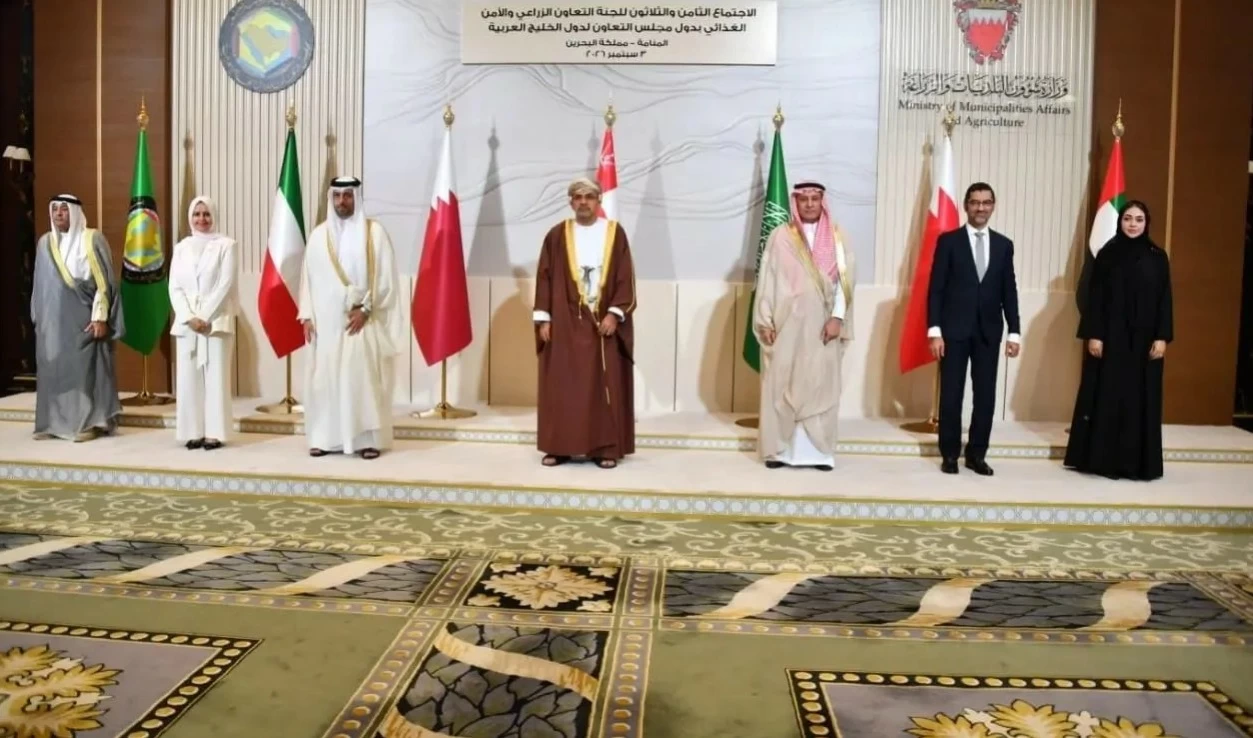
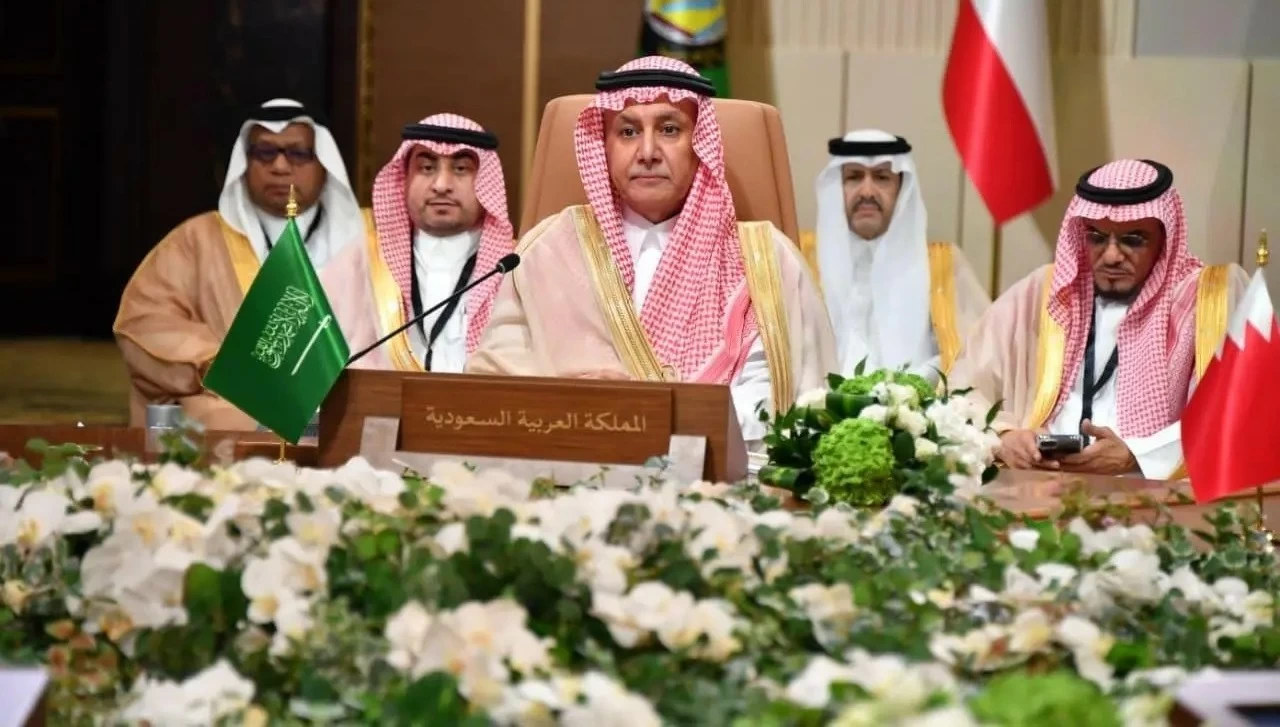
جاء ذلك خلال الاجتماع الـ38 للجنة الوزارية للتعاون الزراعي والأمن الغذائي بدول مجلس التعاون، الذي عُقد اليوم في مملكة البحرين، ورأس وفد المملكة رئيس الهيئة العامة للأمن الغذائي المهندس أحمد بن عبدالعزيز الفارس.
وثمّن الاجتماع الجهود المبذولة من قبل المملكة العربية السعودية في إعداد وتطوير إستراتيجية الأمن الغذائي لدول مجلس التعاون الخليجي، وإعداد التصور الشامل لبنك الأصول الوراثية النباتية، وما تبذله من جهود في مجال الإنذار المبكر لرصد وتحليل المؤشرات المرتبطة بسلاسل الإمداد، بما يسهم في تعزيز جاهزية منظومة الأمن الغذائي في مواجهة المتغيرات.
وناقش الاجتماع عدداً من الموضوعات المشتركة بين دول المجلس في مجالات الزراعة والثروة الحيوانية والسمكية والأمن الغذائي، واتخذت اللجنة القرارات المناسبة بشأنها، كما عُرض تقرير مشروع الخدمات الاستشارية لدراسة وتقييم التقنيات الحديثة والذكاء الاصطناعي في إدارة المزرعة وزيادة الإنتاجية في دول مجلس التعاون الخليجي، بالتعاون مع المركز الدولي للبحوث الزراعية في المناطق الجافة «إيكاردا»، والتعاون مع المجموعة الدولية للبحوث الزراعية «سيجار»، بجانب متابعة قرارات الاجتماع الـ34، ومتابعة تنفيذ قرارات الاجتماع الـ37 للجنة التعاون الزراعي والأمن الغذائي.
واعتُمد خلال الاجتماع عدد من الأنظمة والقوانين واللوائح التنفيذية الموحدة، شملت: الموافقة على الإستراتيجية الخليجية للأمن الغذائي والعمل بها بصفة توجيهية، والاتفاق على إنشاء غرفة عمليات مشتركة لمتابعة تنفيذ الإستراتيجية، والتوجه للاستفادة من بعض بنوك الأصول الوراثية ذات الممكنات المناسبة؛ لتكون بنوكاً مرجعية خليجية لدول المجلس خلال هذه المرحلة، واعتماد التشريع لقوائم المبيدات المحظورة والمقيدة المرفقة بلائحة قانون المبيدات، ومشروع قانون (نظام) المبيدات (المعدل)، ومشروع اللائحة التنفيذية لقانون (نظام) الأسمدة ومحسنات التربة الزراعية (المعدلة)، والنظام (القانون) الموحد بشأن المدخلات والمنتجات العضوية لدول مجلس التعاون، ومشروع اللائحة التنفيذية لقانون الحجر البيطري (المعدلة)، واعتماد الجدول الزمني للشراء الموحد للأدوية واللقاحات البيطرية والتسجيل المركزي للمستحضرات البيطرية، وتمديد دراسة القائمة الموحدة للحد الأدنى من الأطوال المسموح بصيدها لبعض أنواع الأسماك المتداولة (القائمة المعدلة).
وتأتي مشاركة المملكة في أعمال الاجتماع الـ38 للجنة الوزارية للتعاون الزراعي والأمن الغذائي بدول مجلس التعاون، في إطار تعزيز منظومة الأمن الغذائي الخليجي، ورفع مستوى التكامل والتنسيق بين الدول الأعضاء، بما يسهم في تعزيز القدرة على مواجهة التحديات والمتغيرات الإقليمية والدولية التي تؤثر في سلاسل الإمداد الغذائي.
وفي ختام الاجتماع، رحبت المملكة العربية السعودية باستضافة ورئاسة أعمال الاجتماع الـ39 للجنة الوزارية للتعاون الزراعي والأمن الغذائي بدول مجلس التعاون، مؤكدةً تطلعها إلى مواصلة تعزيز العمل الخليجي المشترك، وتبادل الخبرات والممارسات في المجالات الزراعية والغذائية، بما يدعم التكامل بين دول المجلس ويعزز منظومة الأمن الغذائي، كما أعربت عن شكرها وتقديرها لمملكة البحرين على استضافتها أعمال الاجتماع، وحسن التنظيم والضيافة، والجهود المبذولة لإنجاح أعماله وتحقيق أهدافه.
The Kingdom of Saudi Arabia reviewed the progress of implementing the food security strategy for the Gulf Cooperation Council (GCC) countries, along with the initiatives and approved performance indicators, within the framework of enhancing integration and coordination among the council's member states, to achieve sustainable development goals and establish a flexible food security system that ensures the continuity of agricultural and food supply chains.
This was during the 38th meeting of the Ministerial Committee for Agricultural Cooperation and Food Security of the GCC countries, which was held today in the Kingdom of Bahrain, chaired by the head of the Saudi delegation, Engineer Ahmed bin Abdulaziz Al-Fares, the President of the Saudi Food Security Authority.
The meeting appreciated the efforts made by the Kingdom of Saudi Arabia in preparing and developing the food security strategy for the GCC countries, and in preparing a comprehensive vision for the plant genetic resources bank, as well as its efforts in early warning systems to monitor and analyze indicators related to supply chains, which contributes to enhancing the readiness of the food security system in facing changes.
The meeting discussed several common topics among the council's member states in the fields of agriculture, livestock, fisheries, and food security, and the committee made appropriate decisions regarding them. A report was also presented on the consulting services project to study and evaluate modern technologies and artificial intelligence in farm management and increasing productivity in the GCC countries, in collaboration with the International Center for Agricultural Research in the Dry Areas (ICARDA), and cooperation with the International Agricultural Research Group (CIGAR), in addition to following up on the decisions of the 34th meeting and the implementation of the decisions from the 37th meeting of the Agricultural Cooperation and Food Security Committee.
During the meeting, several unified systems, laws, and executive regulations were approved, including: the approval of the Gulf food security strategy and its implementation as a guiding framework, the agreement to establish a joint operations room to monitor the implementation of the strategy, the direction to benefit from some genetic resource banks with suitable capabilities to serve as Gulf reference banks for the council's countries during this phase, the adoption of legislation for the lists of banned and restricted pesticides attached to the pesticide law, the draft law (system) for pesticides (amended), the draft executive regulation for the law (system) for fertilizers and agricultural soil enhancers (amended), the unified law regarding inputs and organic products for the GCC countries, the draft executive regulation for the veterinary quarantine law (amended), the adoption of the timeline for the unified procurement of veterinary medicines and vaccines and the central registration of veterinary preparations, and the extension of the study of the unified list of minimum lengths allowed for catching certain types of traded fish (the amended list).
The participation of the Kingdom in the 38th meeting of the Ministerial Committee for Agricultural Cooperation and Food Security of the GCC countries comes within the framework of enhancing the Gulf food security system and raising the level of integration and coordination among member states, contributing to strengthening the ability to face regional and international challenges and changes that affect food supply chains.
At the conclusion of the meeting, the Kingdom of Saudi Arabia welcomed the hosting and presidency of the 39th meeting of the Ministerial Committee for Agricultural Cooperation and Food Security of the GCC countries, affirming its aspiration to continue enhancing joint Gulf work and exchanging experiences and practices in agricultural and food fields, which supports integration among the council's countries and strengthens the food security system. It also expressed its gratitude and appreciation to the Kingdom of Bahrain for hosting the meeting, the excellent organization and hospitality, and the efforts made to ensure its success and achieve its objectives.