«عكاظ» (مكة المكرمة، المدينة المنورة) Okaz-Online@
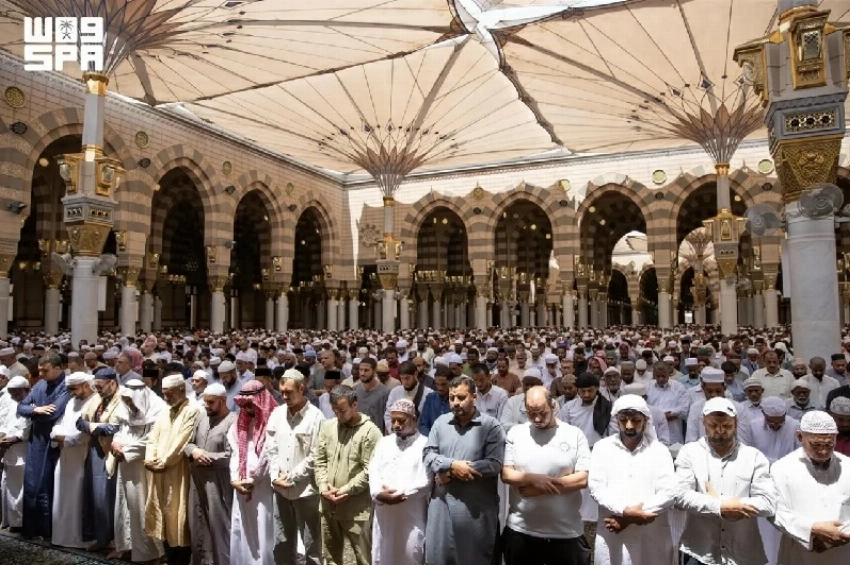
شهد المسجد الحرام والمسجد النبوي في مكة والمدينة، اليوم الجمعة، خطبتين ركزتا على مكانة العلم ومسؤولية الأسرة والمعلم ودور الدولة في دعم المعرفة وبناء الإنسان، لتتكامل رسائل الحرمين الشريفين في التأكيد على العلم والتقوى والقدوة الصالحة بوصفها ركائز أساسية لبناء الإنسان والمجتمع وتعزيز مسيرة التنمية القائمة على المعرفة والأخلاق والعمل الصالح.
ففي المسجد الحرام، أكد إمام وخطيبه الشيخ الدكتور عبدالله بن عواد الجهني أن تقوى الله هي ملاك الأمر وجماع الخير، مشيرًا إلى أن الله خلق الخلق لعبادته، وأن العلم هو الأساس الذي تُبنى عليه الأعمال، إذ لا يصح عملٌ بلا علمٍ يضبطه ويهديه. وأوضح أن الإسلام رفع مكانة العلماء الربانيين، وجعلهم ورثة الأنبياء وحجة الله في أرضه، بهم تُمحى الضلالة وتنجلي غيوم الشك، ويُصان الدين من تحريف المبطلين وتأويل الجاهلين.
وأشار الجهني إلى أن دعم المملكة للعلم والعلماء جزء أصيل من إستراتيجيتها التنموية، بما يعزز بناء مجتمع معرفي قادر على الإسهام في التنمية المستدامة، ويعكس رؤية وطنية تُعلي من قيمة المعرفة ودورها في صناعة المستقبل.
ودعا المعلمين والمعلمات إلى أداء رسالتهم بإخلاص، واستشعار أثرهم العميق في نفوس الطلاب، والجمع بين التعليم والتربية، وغرس القيم قبل المعلومات. كما أوصى الآباء والأمهات بالعناية بأبنائهم، وغرس الصدق وحسن الخلق ومحبة الصلاة في نفوسهم، مؤكدًا أن القدوة الصالحة أبلغ أثرًا من الأوامر الملقاة.
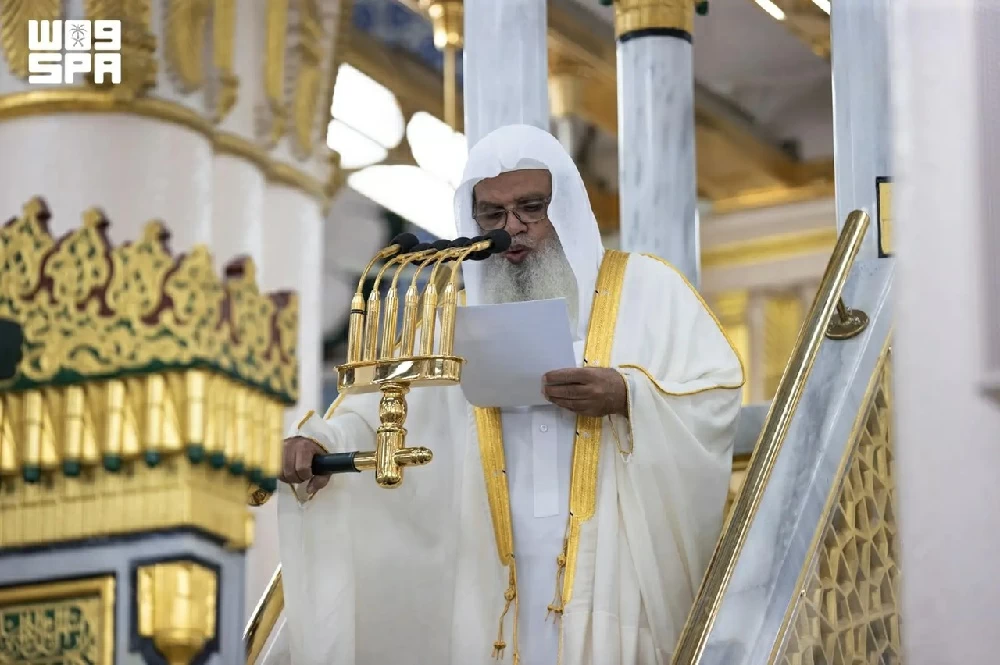
وفي المسجد النبوي، تحدث إمامه وخطيبه الشيخ الدكتور علي بن عبدالرحمن الحذيفي عن فضل العلم الذي ينير العقول ويزكي النفوس ويبني المجتمعات، مبينًا أن الإنسان يولد جاهلًا ثم يتعلم شيئًا فشيئًا من والديه ومعلميه، وأن القدوة الصالحة هي أساس التربية في سنوات النشأة الأولى.
وأوضح الحذيفي أن الناشئ يتعلم في بداياته ما لا يسع المسلم جهله من أمور الدين، ويُربّى على مكارم الأخلاق والمحافظة على الصلاة، ليكون لبنة صالحة في بناء المجتمع، ثم يتجه لاحقًا إلى التخصصات التي تخدم وطنه في الطب والهندسة والزراعة والاقتصاد وسائر العلوم النافعة.
وأكد فضيلته مسؤولية القائمين على التعليم، ودور الأسرة في إعداد الأبناء ليكونوا عناصر بناء وإصلاح، مشيرًا إلى أن المجتمع المتماسك يشد بعضه بعضًا كما وصفه النبي صلى الله عليه وسلم.
وبذلك تتكامل رسائل الحرمين الشريفين اليوم في التأكيد على العلم والتقوى والقدوة الصالحة بوصفها ركائز أساسية لبناء الإنسان والمجتمع، وتعزيز مسيرة التنمية التي تقوم على المعرفة والأخلاق والعمل الصالح.
The Grand Mosque and the Prophet's Mosque in Mecca and Medina witnessed, today Friday, two sermons that focused on the importance of knowledge, the responsibility of the family and the teacher, and the role of the state in supporting knowledge and building individuals. The messages from the two holy mosques complemented each other in emphasizing knowledge, piety, and good role models as essential pillars for building individuals and society, and enhancing the development process based on knowledge, ethics, and good deeds.
In the Grand Mosque, the Imam and preacher Sheikh Dr. Abdullah bin Awad Al-Juhani emphasized that piety towards God is the essence of matters and the totality of goodness, pointing out that God created creation for His worship, and that knowledge is the foundation upon which actions are built, as no action is valid without knowledge to regulate and guide it. He clarified that Islam has elevated the status of righteous scholars, making them the heirs of the prophets and God's proof on His earth; through them, misguidance is erased, clouds of doubt are dispelled, and religion is protected from the distortions of the false and the interpretations of the ignorant.
Al-Juhani pointed out that the Kingdom's support for knowledge and scholars is an integral part of its developmental strategy, which enhances the building of a knowledge-based society capable of contributing to sustainable development, reflecting a national vision that elevates the value of knowledge and its role in shaping the future.
He called on teachers to fulfill their mission sincerely, to feel their profound impact on the souls of students, and to combine education with upbringing, instilling values before information. He also advised parents to care for their children, instilling honesty, good character, and love for prayer in their hearts, emphasizing that a good role model has a greater impact than mere commands.
In the Prophet's Mosque, its Imam and preacher Sheikh Dr. Ali bin Abdul Rahman Al-Hudhaifi spoke about the virtue of knowledge that enlightens minds, purifies souls, and builds communities, explaining that a person is born ignorant and then learns little by little from their parents and teachers, and that a good role model is the foundation of upbringing in the early years of life.
Al-Hudhaifi clarified that the youth learn in their early stages what is essential for a Muslim to know about religion, and are raised on noble morals and the preservation of prayer, to become a good building block in the construction of society, and later turn to specializations that serve their country in medicine, engineering, agriculture, economics, and other beneficial sciences.
He affirmed the responsibility of those in charge of education and the role of the family in preparing children to be elements of construction and reform, pointing out that a cohesive society supports one another, as described by the Prophet, peace be upon him.
Thus, the messages from the two holy mosques today complement each other in emphasizing knowledge, piety, and good role models as essential pillars for building individuals and society, and enhancing the development process based on knowledge, ethics, and good deeds.