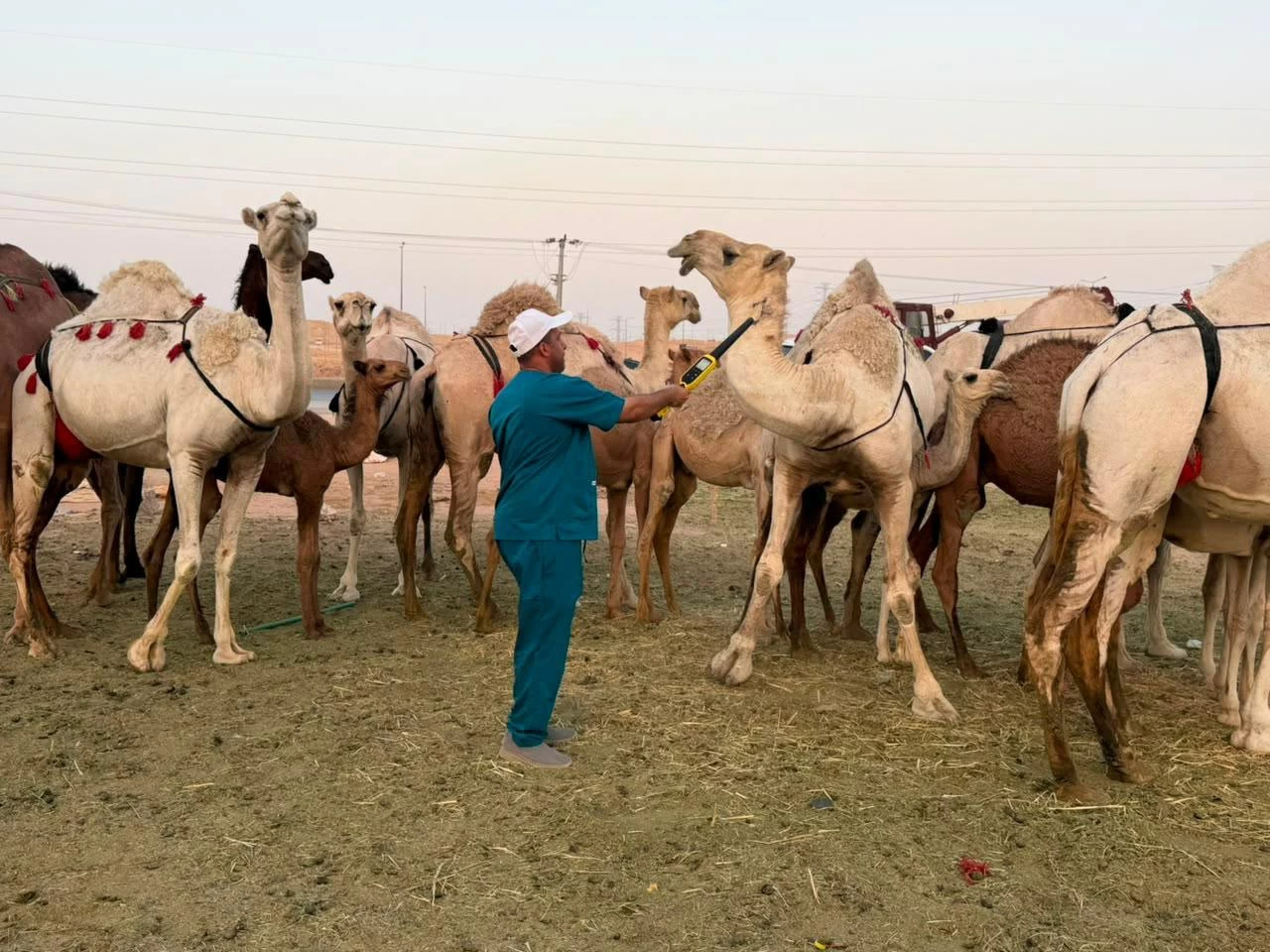
نفّذ فرع وزارة البيئة والمياه والزراعة بمنطقة الرياض، بالتعاون مع الجهات ذات العلاقة، جولات رقابية ميدانية مكثفة لمكافحة ظاهرة بيع حليب الإبل العشوائي على الطرقات وفي المواقع غير المخصصة، ضمن جهود تعزيز الرقابة والامتثال، وحماية الصحة العامة، وتحسين المشهد الحضري. وأسفرت الجولات عن التحفظ على 48 متنًا من الإبل مرتبطة بمواقع البيع العشوائي، إلى جانب ضبط عدد من المخالفات وتوثيقها، واتخاذ الإجراءات النظامية بحق المخالفين بالتعاون مع الجهات ذات العلاقة.
معالجة جذور المخالفات
وركزت الجولات على منع بيع حليب الإبل في المواقع غير المصرح بها، وضبط الباعة والمواقع المخالفة، ورصد اشتراطات النظافة، إضافة إلى الممارسات التي قد تشكل خطراً على الصحة العامة أو تؤثر في المظهر الحضري. وأكد الفرع أن أعمال الرقابة لا تتوقف عند ضبط المخالفة، بل تشمل حصرها وتوثيقها وتحليل مسبباتها ومتابعة الإجراءات التصحيحية؛ لضمان معالجة جذور المخالفات والحد من تكرارها وتحقيق أثر رقابي مستدام. وشدد الفرع على استمرار الجولات الرقابية وتوسيع نطاقها ومتابعة المواقع المرصودة، واتخاذ الإجراءات النظامية بحق المخالفين، مؤكداً أن فرق الرقابة الميدانية ستواصل أعمالها للحد من المخالفات ورفع مستوى الامتثال في منطقة الرياض.
The branch of the Ministry of Environment, Water, and Agriculture in the Riyadh region, in collaboration with relevant authorities, has conducted intensive field monitoring tours to combat the phenomenon of random camel milk sales on roads and in unauthorized locations, as part of efforts to enhance oversight and compliance, protect public health, and improve the urban landscape. The tours resulted in the seizure of 48 camels linked to random sales locations, in addition to documenting and addressing several violations, and taking legal action against the violators in cooperation with relevant authorities.
Tackling the Roots of Violations
The tours focused on preventing the sale of camel milk in unauthorized locations, apprehending vendors and identifying violating sites, and monitoring cleanliness standards, in addition to practices that may pose a risk to public health or affect the urban appearance. The branch emphasized that oversight activities do not stop at identifying violations but also include cataloging, documenting, analyzing their causes, and following up on corrective actions; to ensure that the roots of violations are addressed, their recurrence is minimized, and a sustainable regulatory impact is achieved. The branch stressed the continuation of monitoring tours, expanding their scope, and following up on identified locations, as well as taking legal actions against violators, affirming that field monitoring teams will continue their efforts to reduce violations and enhance compliance in the Riyadh region.