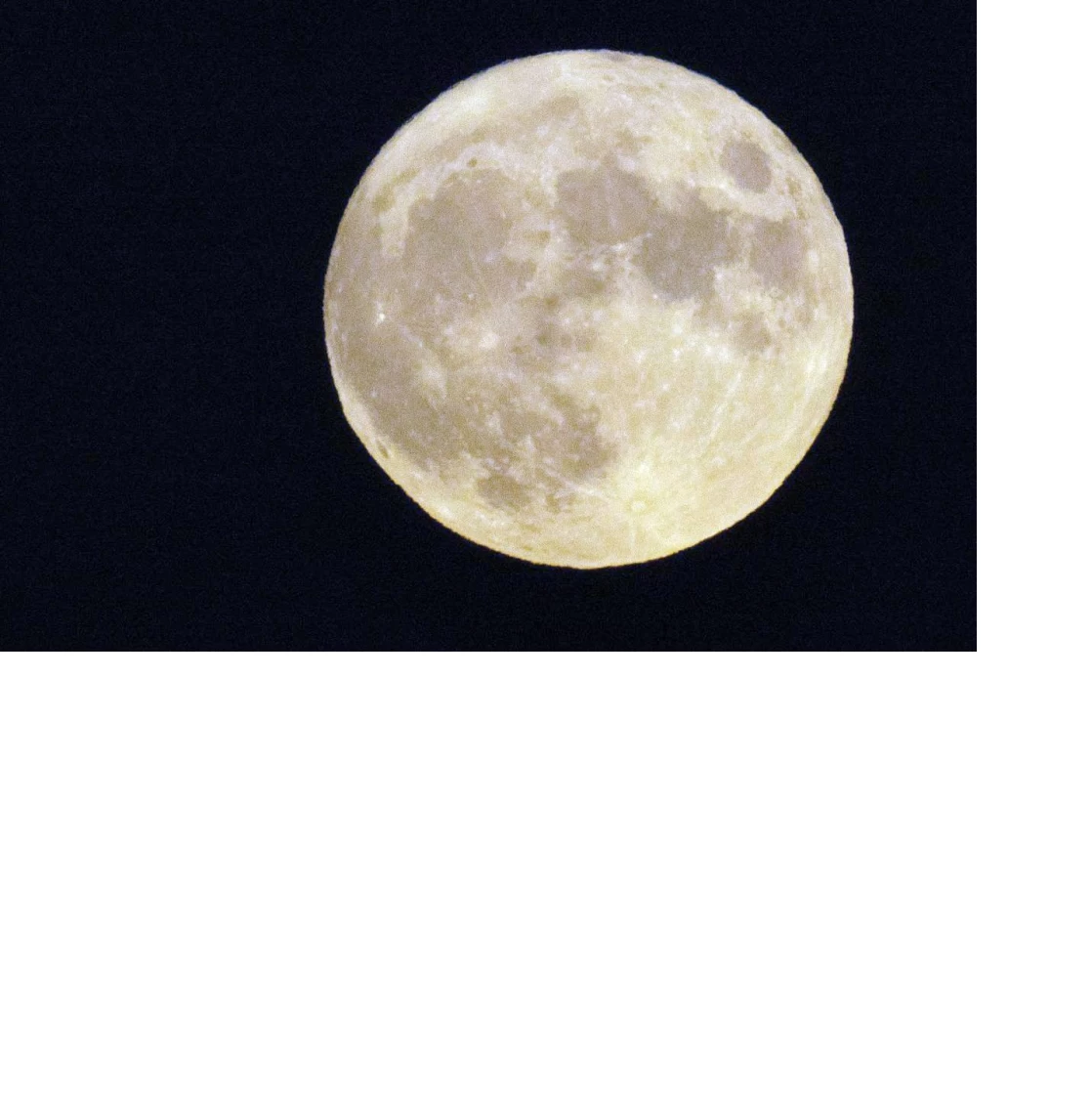
أوضحت الجمعية الفلكية بجدة أن بعض المواد الفلكية استخدمت عبارة «الخسوف الكاذب» للإشارة إلى خسوف شبه الظل للقمر، وقد تبدو هذه التسمية مفهومة لغوياً، نظراً إلى أن هذا النوع من الخسوف يكون خافتاً إلى درجة يصعب على الراصد معها ملاحظة التغير في إضاءة القمر، إلا أن استخدام مصطلح «الخسوف الكاذب» لا يُعد دقيقاً من الناحية العلمية.
وأوضح رئيس الجمعية المهندس ماجد أبو زاهرة أن التسمية الصحيحة هي «خسوف شبه الظل للقمر»، لأنها تعكس طبيعة الظاهرة وآلية حدوثها بدقة، مفيداً بأن خسوف القمر يحدث عندما تقع الأرض بين الشمس والقمر وقت البدر، فيمر القمر عبر منطقة الظل التي تلقيها الأرض في الفضاء، ويتكون هذا الظل من منطقتين رئيسيتين: الظل المركزي، وشبه الظل، وهي المنطقة الخارجية والأخف.
وبين أن خسوف شبه الظل يحدث عندما يمر القمر كلياً أو جزئياً داخل شبه ظل الأرض دون أن يدخل الظل المركزي، ما ينتج عنه انخفاض محدود في إضاءة القمر، ولهذا قد لا يكون التغير واضحاً للعين المجردة، خصوصاً في حالات الخسوف الضعيف.
وأشار أبو زاهرة إلى أن خفوت المظهر البصري لا يعني أن الظاهرة غير حقيقية، إذ إن خسوف شبه الظل ظاهرة فلكية حقيقية ذات هندسة محددة، ويمكن حساب توقيت بدايتها ونهايتها بدقة، ويُعد أحد الأنواع الرئيسية للخسوف القمري إلى جانب الخسوف الجزئي والكلي.
ولفت الانتباه إلى أن وصف الظاهرة بأنها «كاذبة» قد يسبب التباساً لدى الجمهور، لأنه يوحي بأن ما يحدث ليس خسوفاً حقيقياً، في حين أن مصطلح «خسوف شبه الظل» يوضح مباشرة المنطقة التي يمر فيها القمر وسبب محدودية التغير في سطوعه، مؤكداً أهمية الالتزام بالمصطلحات العلمية الدقيقة في المحتوى الفلكي، خصوصا مع سرعة انتشار المعلومات عبر وسائل التواصل الاجتماعي.
واختتم رئيس الجمعية الفلكية بالتأكيد أن «خسوف شبه الظل» هو المصطلح العلمي الأدق، فهو خسوف قمري حقيقي، لكنه يحدث في الجزء الخارجي والأخف من ظل الأرض، ولذلك يكون تأثيره البصري محدوداً.
The Astronomical Society of Jeddah clarified that some astronomical materials have used the term "false eclipse" to refer to the penumbral eclipse of the moon. This terminology may seem linguistically understandable, as this type of eclipse is so faint that it is difficult for an observer to notice the change in the moon's brightness. However, the use of the term "false eclipse" is not scientifically accurate.
The president of the society, Engineer Majid Abu Zahra, explained that the correct term is "penumbral eclipse of the moon," as it accurately reflects the nature of the phenomenon and the mechanism of its occurrence. He noted that a lunar eclipse occurs when the Earth is positioned between the sun and the moon at full moon, causing the moon to pass through the shadow area cast by the Earth in space. This shadow consists of two main regions: the umbra and the penumbra, which is the outer and lighter area.
He indicated that a penumbral eclipse occurs when the moon passes completely or partially into the Earth's penumbra without entering the umbra, resulting in a limited decrease in the moon's brightness. Therefore, the change may not be obvious to the naked eye, especially in cases of weak eclipses.
Abu Zahra pointed out that the faintness of the visual appearance does not mean that the phenomenon is not real, as a penumbral eclipse is a genuine astronomical phenomenon with a specific geometry. The timing of its start and end can be calculated accurately, and it is considered one of the main types of lunar eclipses alongside partial and total eclipses.
He emphasized that describing the phenomenon as "false" may cause confusion among the public, as it suggests that what is happening is not a real eclipse, while the term "penumbral eclipse" directly clarifies the area through which the moon passes and the reason for the limited change in its brightness. He stressed the importance of adhering to precise scientific terminology in astronomical content, especially with the rapid spread of information through social media.
The president of the Astronomical Society concluded by affirming that "penumbral eclipse" is the most accurate scientific term, as it is a real lunar eclipse, but it occurs in the outer and lighter part of the Earth's shadow, which is why its visual impact is limited.