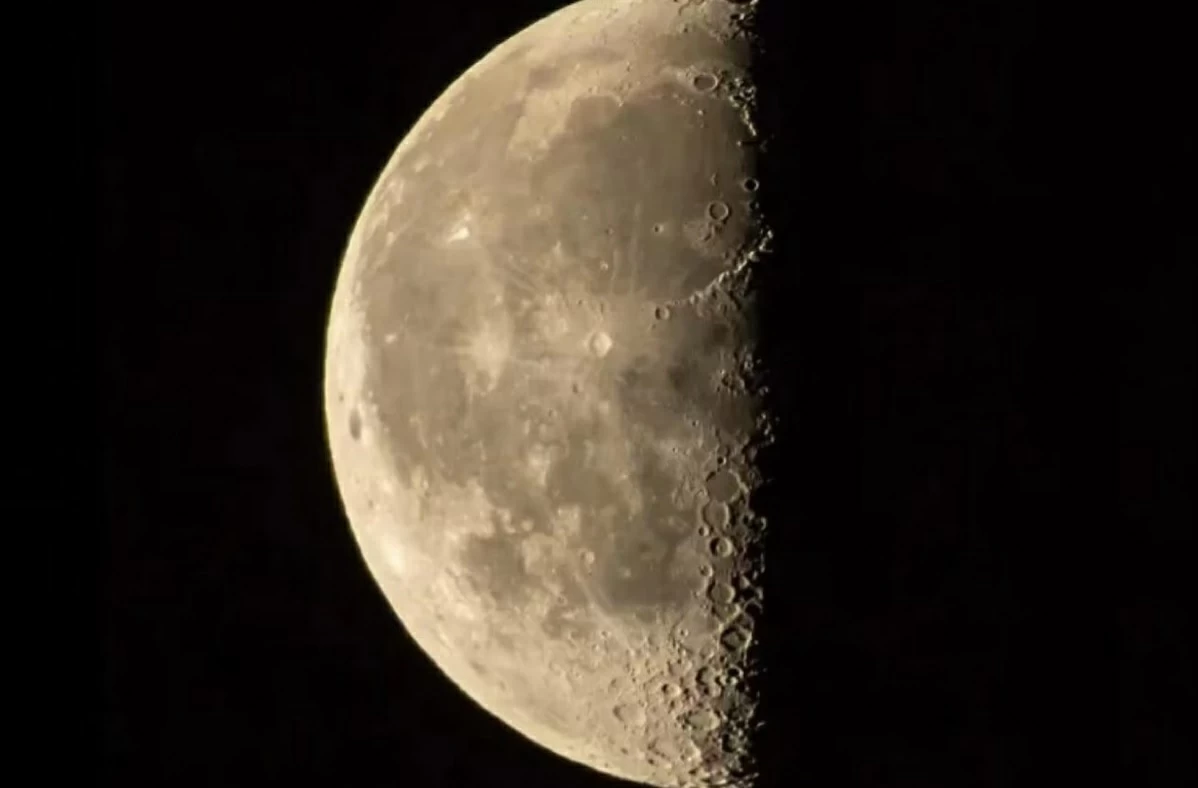
يُرصد بعد منتصف ليل اليوم (الأربعاء) القمر في طور التربيع الأخير لشهر صفر، ويظهر نصف قرصه مضاءً، بعد أن أكمل نحو ثلاثة أرباع مداره حول الأرض خلال الشهر القمري.
وأوضح رئيس الجمعية الفلكية بجدة المهندس ماجد أبو زاهرة أن هذه المرحلة تُعد من أفضل الأوقات لرصد تضاريس سطح القمر باستخدام المناظير أو التلسكوبات الصغيرة؛ إذ تبرز الجبال والفوهات بوضوح على امتداد الحد الفاصل بين جانبيه المضيء والمظلم، بفعل تباين الضوء والظلال، مما يوفر فرصة مثالية للرصد والتصوير الفلكي.
وأفاد بأن القمر سيواصل ارتفاعه في السماء حتى فجر الخميس، قبل أن يغرب ظهرًا بالتوقيت المحلي، مشيرًا إلى أن متابعة هذه المرحلة تساعد على فهم تطور أطوار القمر وحركته الشهرية، مع انتقاله تدريجيًا إلى طور الهلال ثم المحاق، وصولًا إلى الاقتران وبداية شهر ربيع الأول 1448هـ.
After midnight today (Wednesday), the moon will be observed in the last quarter phase of the month of Safar, with half of its disk illuminated, having completed about three-quarters of its orbit around the Earth during the lunar month.
The head of the Astronomical Society in Jeddah, Engineer Majid Abu Zahra, explained that this phase is considered one of the best times to observe the moon's surface features using binoculars or small telescopes; the mountains and craters are clearly highlighted along the dividing line between its illuminated and dark sides, due to the contrast of light and shadows, providing an ideal opportunity for observation and astrophotography.
He noted that the moon will continue to rise in the sky until dawn on Thursday, before setting around noon local time, indicating that following this phase helps in understanding the evolution of the moon's phases and its monthly movement, as it gradually transitions to the crescent phase, then to the new moon, leading up to the conjunction and the beginning of the month of Rabi' al-Awwal 1448 AH.