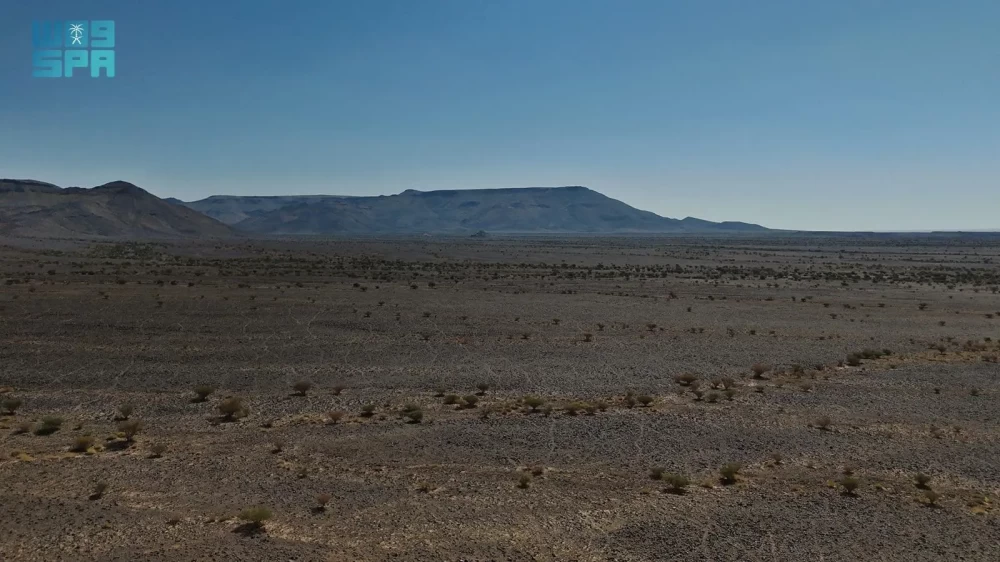
كشفت هيئة التراث نتائج الموسم الأول لمشروع مسح وتوثيق النقوش والفنون الصخرية في منطقة عالية نجد بمنطقة الرياض، موضحة أن الفريق العلمي نفّذ أعمال المسح الميداني لمدة 30 يوماً، شملت عدداً من المواقع الواقعة شمال جبال العرض بمحافظة الدوادمي، في الإقليم الجغرافي المعروف بعالية نجد، الذي يشكّل جزءاً واسعاً من وسط المملكة، ويمتد ليشمل أجزاءً من مناطق الرياض والقصيم وحائل، وشرق منطقتي مكة المكرمة والمدينة المنورة، وشمال شرق منطقة عسير. وقد أسهم هذا الانتشار الجغرافي في توثيق مواقع أثرية متنوعة ورصد معطيات جديدة تدعم فهم التسلسل التاريخي للمنطقة.
وأسفر المشروع، الذي انطلق من محافظة الدوادمي، عن كشف 103 مواقع أثرية تضم منشآت حجرية، ونقوشاً كتابية، وفنوناً صخرية لأشكال آدمية وحيوانية، إضافة إلى أشكال أخرى متنوعة تعكس ثراءً ثقافياً وبيئياً للموقع، وتنوّعاً في أنماط النشاط البشري عبر فترات زمنية مختلفة.
كما بيّنت الهيئة أن الآثار المكتشفة قدّمت دلائل واضحة لفهم طبيعة الاستيطان البشري وتفاعله مع البيئة الطبيعية، وذلك من خلال النقوش الثمودية والإسلامية والفنون الصخرية المنفّذة بطرق متعددة بين الحز والرسم الملون.
وأكدت الهيئة أن نتائج المشروع تمثّل خطوة علمية مهمة في مسار توثيق مواقع التراث الثقافي في المملكة، مشيرة إلى أن المرحلة القادمة ستتضمن استكمال أعمال المسح والدراسات المتخصصة، وتسجيل المواقع المكتشفة في السجل الوطني للآثار، إلى جانب تعزيز برامج التوعية المجتمعية بأهمية حماية المواقع الأثرية والمحافظة عليها بوصفها رصيداً حضارياً يعكس عمق تاريخ المملكة وتنوّع مكوّناتها الثقافية.
The Heritage Authority revealed the results of the first season of the project to survey and document rock engravings and petroglyphs in the Alia Najd area of Riyadh, indicating that the scientific team conducted field survey work for 30 days, covering several sites located north of the Al-Ard Mountains in the Al-Dawadmi Governorate, in the geographical region known as Alia Najd, which constitutes a large part of central Saudi Arabia, extending to include parts of the Riyadh, Qassim, and Hail regions, as well as the eastern parts of the Makkah and Madinah regions, and the northeastern part of the Asir region. This geographical spread contributed to documenting diverse archaeological sites and recording new data that supports the understanding of the historical sequence of the area.
The project, which started from the Al-Dawadmi Governorate, resulted in the discovery of 103 archaeological sites that include stone structures, written inscriptions, and petroglyphs depicting human and animal forms, in addition to other diverse shapes that reflect the cultural and environmental richness of the site, and the variety of human activity patterns over different time periods.
The authority also indicated that the discovered artifacts provided clear evidence for understanding the nature of human settlement and its interaction with the natural environment, through Thamudic and Islamic inscriptions and petroglyphs executed in various methods, including carving and colored painting.
The authority emphasized that the results of the project represent an important scientific step in the documentation of cultural heritage sites in the Kingdom, noting that the next phase will include completing the survey work and specialized studies, and registering the discovered sites in the national archaeological register, in addition to enhancing community awareness programs about the importance of protecting and preserving archaeological sites as a cultural asset that reflects the depth of the Kingdom's history and the diversity of its cultural components.