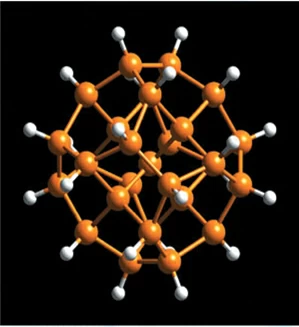
كشفت دراسة علمية حديثة، بمشاركة ثلاث جامعات سعودية، تطوير جسيمات نانوية مصنّعة بطريقة صديقة للبيئة باستخدام مستخلص بذور الشيا، وأظهرت قدرة مخبرية على استهداف خلايا سرطان الفم، ومقاومة البكتيريا، وخفض تكوين الأغشية الحيوية المرتبطة بزيادة مقاومة العدوى للعلاج.
ونُشرت الدراسة في مجلة «التقارير العلمية» التابعة لمجموعة «سبرنغر نيتشر» 2 أغسطس 2026م، بمشاركة باحثات من جامعة الملك فيصل، وجامعة الأميرة نورة بنت عبدالرحمن، وجامعة شقراء، وحصل البحث على دعم من جامعتي الملك فيصل والأميرة نورة.
واعتمد الفريق على إنتاج جسيمات من أكسيد الزنك المطعّم بالنيكل، باستخدام مستخلص بذور الشيا عاملاً حيوياً للاختزال والتثبيت. وأكدت الفحوص تكوين جسيمات بلورية يغلب عليها الشكل الكروي، بمتوسط حجم بلغ نحو 72 نانومتراً.
واختبر الباحثون الجسيمات على خلايا بشرية من سرطان الفم، إلى جانب خلايا فموية طبيعية. وبلغ التركيز اللازم لخفض بقاء نصف الخلايا السرطانية 139.9 ميكروغراماً لكل ملليلتر، مقابل 284.6 ميكروغراماً لكل ملليلتر للخلايا الطبيعية، ما يشير إلى حساسية أعلى للخلايا السرطانية داخل ظروف التجربة.
وأظهر تحليل الخلايا دخول 50% منها في مرحلة الموت المبرمج المبكر، ودخول 22.5% في مرحلة الموت المتأخر، لتصل النسبة الإجمالية إلى 72.5%. وسجلت الدراسة توقف 70.6% من الخلايا عند مرحلة تسبق اكتمال الانقسام، في مؤشر إلى تعطيل تكاثرها.
وامتد نشاط الجسيمات إلى البكتيريا، مع تأثير بارز ضد المكورات العنقودية الذهبية، وخفض تكوين الأغشية الحيوية بنسبة وصلت إلى 65%. كما سجل الباحثون انخفاضاً في نشاط جينات مرتبطة بالالتصاق بالأنسجة وإنتاج السموم وتعزيز شدة العدوى. وسجلت الجسيمات نشاطاً متوسطاً مضاداً للأكسدة؛ إذ بلغ تركيز تثبيط نصف النشاط 359 ميكروغراماً لكل ملليلتر في أحد الاختبارات، و434 ميكروغراماً لكل ملليلتر في اختبار آخر، مع كفاءة أقل من حمض الأسكوربيك. وتضع النتائج المادة النانوية ضمن مسار بحثي واعد يجمع مكافحة الخلايا السرطانية والبكتيريا بمنصة واحدة. وتبقى التجارب في المرحلة المخبرية، وتحتاج إلى تقييم السمية داخل الكائنات الحية، والدراسات الحيوانية والسريرية قبل أي استخدام علاجي.
A recent scientific study, involving three Saudi universities, revealed the development of environmentally friendly manufactured nanoparticles using chia seed extract. The study demonstrated laboratory efficacy in targeting oral cancer cells, resisting bacteria, and reducing the formation of biofilms associated with increased resistance to treatment infections.
The study was published in the journal "Scientific Reports," part of the Springer Nature group, on August 2, 2026, with contributions from researchers at King Faisal University, Princess Nourah bint Abdulrahman University, and Shaqra University. The research received support from both King Faisal University and Princess Nourah University.
The team relied on producing particles of nickel-doped zinc oxide, using chia seed extract as a biogenic agent for reduction and stabilization. Tests confirmed the formation of crystalline particles predominantly in spherical shape, with an average size of about 72 nanometers.
The researchers tested the particles on human oral cancer cells, alongside normal oral cells. The concentration required to reduce the survival of half the cancer cells was 139.9 micrograms per milliliter, compared to 284.6 micrograms per milliliter for normal cells, indicating a higher sensitivity of cancer cells under experimental conditions.
Cell analysis showed that 50% of the cells entered early programmed cell death, and 22.5% entered late-stage death, bringing the total percentage to 72.5%. The study recorded that 70.6% of the cells halted at a stage preceding complete division, indicating a disruption in their proliferation.
The activity of the particles extended to bacteria, with a notable effect against Staphylococcus aureus, reducing biofilm formation by up to 65%. The researchers also noted a decrease in the activity of genes associated with tissue adhesion, toxin production, and enhancing infection severity. The particles exhibited moderate antioxidant activity, with half-maximal inhibitory concentration reaching 359 micrograms per milliliter in one test and 434 micrograms per milliliter in another, showing lower efficiency than ascorbic acid. The results position the nanoparticles within a promising research trajectory that combines the combat against cancer cells and bacteria on a single platform. Laboratory experiments remain in the early stage, requiring toxicity assessment in living organisms, as well as animal and clinical studies before any therapeutic use.