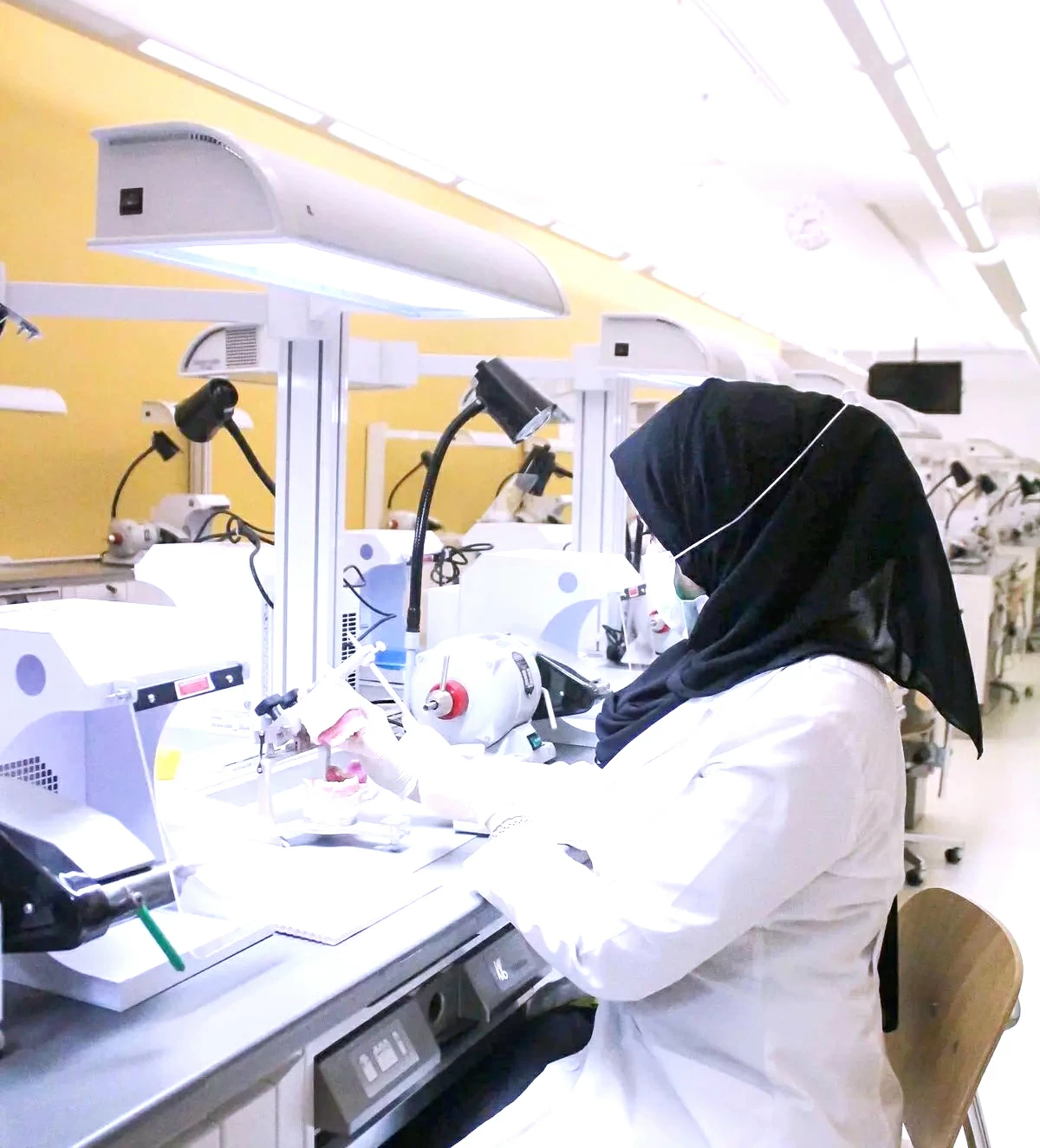
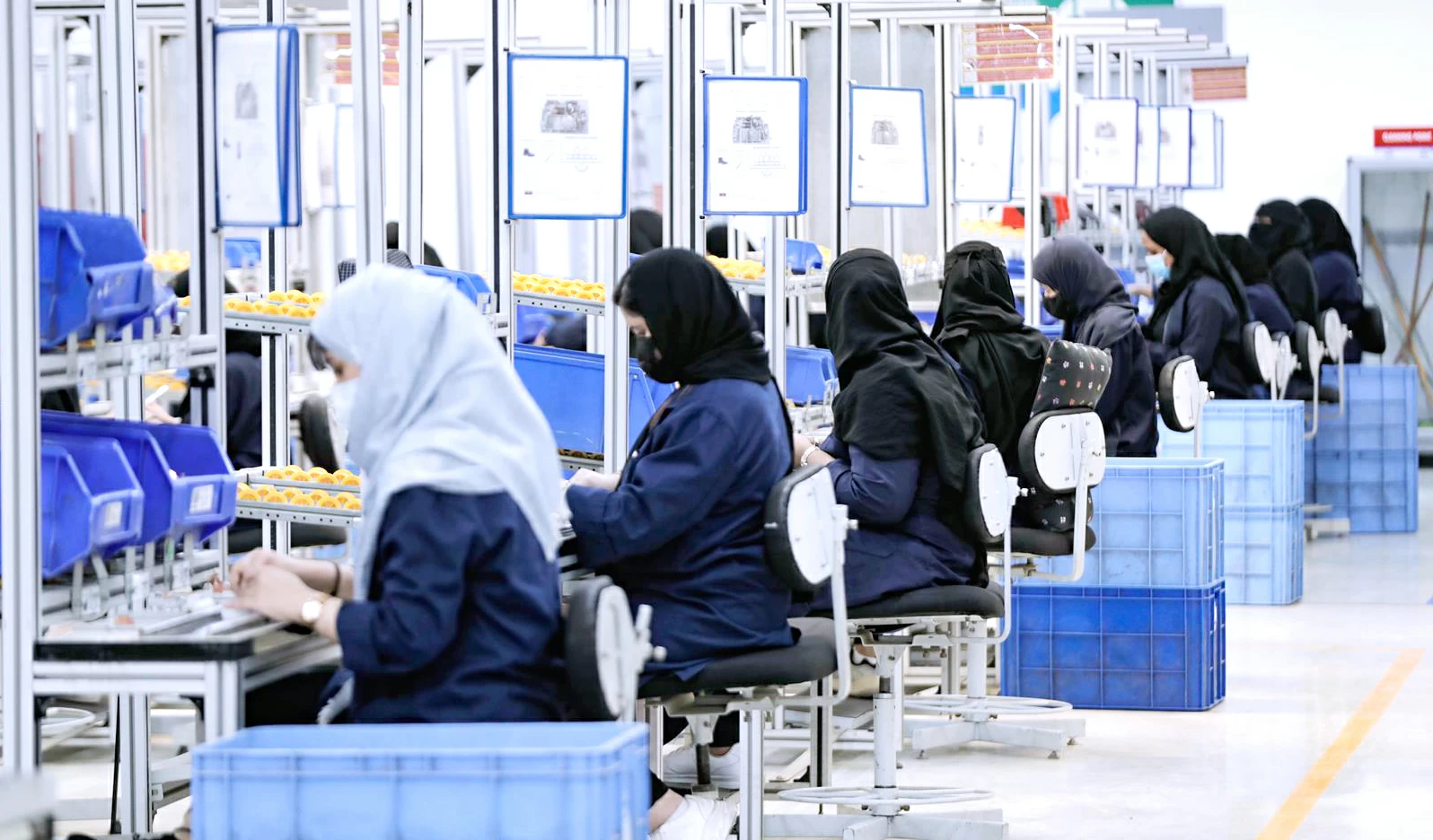
كشف رصد أجرته «عكاظ»، لأحدث مؤشرات سوق العمل وتمكين المرأة في السعودية، استمرار تقدم السعوديات في مؤشرات التوظيف والقيادة؛ إذ تراجع معدل البطالة بينهن إلى 9% خلال الربع الأول من 2026، فيما بلغت نسبة النساء في المناصب الإدارية المتوسطة والعليا 43.9% خلال 2025. وبحسب بيانات الهيئة العامة للإحصاء؛ انخفض معدل البطالة بين السعوديات من 10.5% في الربع الأول من 2025 إلى 9% في الربع الأول من 2026، بتراجع سنوي بلغ 1.5 نقطة مئوية. ويتزامن هذا التقدم مع برامج تطوير القيادات النسائية وتعزيز تكافؤ الفرص وتوسيع التدريب والتوجيه القيادي؛ إذ أشار التقرير السنوي لرؤية السعودية 2030 لعام 2025، إلى تدريب وتوجيه أكثر من 1,700 قيادية ومديرة ضمن مبادرة مخصصة لتنمية الكوادر النسائية.
أكد الخبير الاقتصادي عبدالعزيز الأحمري لـ«عكاظ»، أن هذه المؤشرات تعكس تحولاً نوعياً في سوق العمل السعودي، موضحاً، أن انخفاض البطالة وارتفاع تمثيل المرأة في المناصب القيادية يعكسان نجاح برامج التمكين وتعظيم الاستفادة من الكفاءات الوطنية النسائية.
وقال: «تجاوز مستهدفات برنامج التحول الوطني يعزز الثقة في كفاءة الإصلاحات الاقتصادية، فيما يسهم اتساع مشاركة المرأة في رفع الإنتاجية، وتحسين تنافسية الاقتصاد السعودي، وتعزيز جاذبية بيئة الاستثمار»، متوقعاً استمرار تحقيق مستهدفات رؤية السعودية 2030 بكفاءة عالية.
فرص الوصول للقيادة
أوضحت الإعلامية السعودية مهجة نتو لـ«عكاظ»، أن ما تشهده المملكة اليوم لا يقتصر على تحقيق مؤشرات إيجابية، بل يعكس تحولاً حقيقياً في مكانة المرأة السعودية داخل سوق العمل، مؤكدة أن المرأة أصبحت شريكاً أساسياً في التنمية، وأثبتت حضورها في مختلف القطاعات، سواء في المناصب القيادية أو التخصصات النوعية أو ريادة الأعمال.
وقالت: «بيئة العمل شهدت تطوراً ملحوظاً من حيث اتساع الفرص، وزيادة الثقة بالكفاءات النسائية، وتوفير مسارات واضحة للتطوير المهني والقيادي، وهو ما أسهم في وصول كثير من السعوديات إلى مواقع قيادية».
من جهتها أضافت المختصة في شؤون التعليم آلاء مدني، أن المؤشرات الأخيرة تعكس حجم التحول الذي شهدته المرأة السعودية في سوق العمل، مؤكدة أن انخفاض معدل البطالة وارتفاع تمثيل المرأة في المناصب القيادية يعكسان نجاح برامج التمكين والتأهيل التي تبنتها رؤية السعودية 2030، بما يدعم مساهمة المرأة في التنمية الاقتصادية.
تحول اقتصادي واجتماعي
من جانبها أشارت أخصائية التغذية أمل مدني، إلى أن المؤشرات الأخيرة تؤكد أن تمكين المرأة السعودية أصبح واقعاً ملموساً تدعمه النتائج والأرقام، لافته إلى أن انخفاض البطالة واتساع حضور المرأة في المناصب المتوسطة والقيادية يعكسان نجاح السياسات الوطنية في بناء بيئة عمل أكثر تمكيناً واستدامة.
ورأت الإعلامية السعودية غرور الرشيدي، أن ما تحقق في سوق العمل يُعد من أبرز التحولات التي شهدها المجتمع السعودي، ليس فقط من حيث ارتفاع أعداد العاملات، بل أيضاً من حيث تنوع الفرص وجودة المشاركة، مؤكدة أن تجاوز مستهدفات رؤية السعودية 2030 في عدد من المؤشرات يعكس نجاح برامج التمكين.
ومن جانبها، أكدت المعلمة في التعليم العام أحلام باخذلق، أن ما حققته المرأة السعودية خلال السنوات الأخيرة يمثل تحولاً اقتصادياً واجتماعياً متكاملاً، انتقل بملف تمكين المرأة من مرحلة المبادرات إلى أحد المحركات الرئيسية للنمو الاقتصادي في إطار رؤية السعودية 2030.
وأفادت مسؤولة تسويق في القطاع الخاص شمس القحطاني، أن «الفرص الوظيفية أمام المرأة السعودية أصبحت أكثر تنوعاً، كما أن برامج التدريب والتأهيل والنمو الوظيفي أسهمت في إيجاد بيئة عمل أكثر دعماً للكفاءات النسائية، ومكنت الكثير من النساء من تحقيق طموحاتهن المهنية».
وأشارت مسؤولة علاقات عامة في القطاع الخاص هالا خالد، إلى أن الإنجازات التي حققتها المرأة السعودية في سوق العمل كانت كبيرة وملهمة، مؤكدة أن حضورها في مختلف القطاعات أسهم في رفع جودة الأداء من خلال الاهتمام بالتفاصيل، والانضباط، والإتقان، وهو ما انعكس إيجاباً على بيئة العمل وسرّع وتيرة التطور في العديد من المجالات.
انخفاض معدل البطالة
وكانت بيانات الهيئة العامة للإحصاء قد أشارت إلى انخفاض معدل البطالة بين السعوديات على أساس ربعي بمقدار 1.3 نقطة مئوية، مقارنة بـ10.3% في الربع الرابع من 2025، مسجلاً أدنى مستوى ضمن الفترات التي تناولتها النشرة.
وبلغ معدل مشاركة السعوديات في القوى العاملة 33.9% خلال الربع الأول من 2026، فيما سجل معدل المشتغلات إلى السكان 30.8%، بما يعكس اتساع حضور المرأة السعودية في سوق العمل مقارنة بالمستويات المسجلة قبل انطلاق برامج رؤية السعودية 2030.
وامتد انخفاض البطالة إلى السعوديات في الفئة العمرية من 15 إلى 24 عاماً؛ إذ تراجع المعدل من 22.4% في الربع الرابع من 2025 إلى 20.4% في الربع الأول من 2026، بانخفاض بلغ نقطتين مئويتين خلال ربع واحد.
وبلغ معدل مشاركة الشابات السعوديات في القوى العاملة 16.8%، فيما سجل معدل المشتغلات إلى السكان 13.4%، بالتزامن مع استمرار برامج التدريب والتأهيل ودعم انتقال الخريجات إلى سوق العمل.
تجاوز المستهدف
وفي مسار التمكين الإداري، أظهر التقرير السنوي لبرنامج التحول الوطني لعام 2025، بلوغ نسبة النساء في المناصب الإدارية المتوسطة والعليا 43.9%، مقابل مستهدف سنوي بلغ 31%، وبذلك تجاوز المؤشر مستهدف 2025، بمقدار 12.9 نقطة مئوية، كما ارتفع بـ15.3 نقطة مئوية عن خط الأساس المسجل في 2017، البالغ 28.6%.
ورغم التراجع الطفيف للمؤشر بمقدار 0.2 نقطة مئوية مقارنة بنسبة 44.1% المسجلة في 2024، فإنه حافظ على مستوى مرتفع يفوق المستهدف المحدد لـ2025، ويعكس استمرار الحضور الواسع للمرأة في المواقع الإدارية والقيادية.
يذكر، أن السعودية تجاوزت المستهدف السابق لمشاركة المرأة في سوق العمل البالغ 30%، فيما حدد التقرير السنوي لرؤية السعودية 2030 لعام 2025، المستهدف المحدث عند 40% بحلول 2030.
وتظهر المؤشرات التحول الذي شهدته مشاركة المرأة السعودية في سوق العمل خلال الأعوام الماضية، بالتزامن مع انخفاض معدل البطالة واتساع حضور النساء في المناصب الإدارية المتوسطة والعليا.
كما تعكس النتائج تنامي إسهام الكفاءات النسائية في التنمية الاقتصادية ومختلف القطاعات، واستمرار مسار تمكين المرأة ورفع مشاركتها ضمن مستهدفات رؤية السعودية 2030.
A survey conducted by "Okaz" revealed the latest indicators of the labor market and women's empowerment in Saudi Arabia, showing the continued advancement of Saudi women in employment and leadership indicators. The unemployment rate among them decreased to 9% during the first quarter of 2026, while the percentage of women in middle and senior management positions reached 43.9% in 2025. According to data from the General Authority for Statistics, the unemployment rate among Saudi women fell from 10.5% in the first quarter of 2025 to 9% in the first quarter of 2026, with an annual decrease of 1.5 percentage points. This progress coincides with programs aimed at developing women leaders, enhancing equal opportunities, and expanding leadership training and mentoring. The annual report for Saudi Vision 2030 for 2025 indicated that over 1,700 female leaders and managers were trained and mentored as part of an initiative dedicated to developing women's capabilities.
Economic expert Abdulaziz Al-Ahmari confirmed to "Okaz" that these indicators reflect a qualitative shift in the Saudi labor market, explaining that the decrease in unemployment and the increase in women's representation in leadership positions reflect the success of empowerment programs and maximizing the benefits of national female competencies.
He stated, "Exceeding the targets of the National Transformation Program enhances confidence in the effectiveness of economic reforms, while the expansion of women's participation contributes to increasing productivity, improving the competitiveness of the Saudi economy, and enhancing the attractiveness of the investment environment," expecting that the targets of Saudi Vision 2030 will continue to be achieved with high efficiency.
Opportunities for Leadership
Saudi media figure Mahja Natu explained to "Okaz" that what the Kingdom is witnessing today is not limited to achieving positive indicators but reflects a real transformation in the status of Saudi women within the labor market. She emphasized that women have become essential partners in development and have proven their presence in various sectors, whether in leadership positions, specialized fields, or entrepreneurship.
She said, "The work environment has seen significant development in terms of expanding opportunities, increasing confidence in female competencies, and providing clear pathways for professional and leadership development, which has contributed to many Saudi women reaching leadership positions."
For her part, education specialist Alaa Madani added that the recent indicators reflect the extent of the transformation that Saudi women have experienced in the labor market, confirming that the decrease in the unemployment rate and the increase in women's representation in leadership positions reflect the success of the empowerment and qualification programs adopted by Saudi Vision 2030, which supports women's contribution to economic development.
Economic and Social Transformation
Nutrition specialist Amal Madani pointed out that the recent indicators confirm that the empowerment of Saudi women has become a tangible reality supported by results and figures, noting that the decrease in unemployment and the expansion of women's presence in middle and leadership positions reflect the success of national policies in building a more empowering and sustainable work environment.
Saudi media figure Ghorour Al-Rasheedi viewed the achievements in the labor market as one of the most significant transformations witnessed by Saudi society, not only in terms of the increase in the number of working women but also in terms of the diversity of opportunities and the quality of participation, affirming that exceeding the targets of Saudi Vision 2030 in several indicators reflects the success of empowerment programs.
Moreover, public school teacher Ahlam Bakhlak confirmed that what Saudi women have achieved in recent years represents a comprehensive economic and social transformation, moving the issue of women's empowerment from the stage of initiatives to one of the main drivers of economic growth within the framework of Saudi Vision 2030.
Marketing manager in the private sector Shams Al-Qahtani stated that "job opportunities for Saudi women have become more diverse, and training, qualification, and career growth programs have contributed to creating a more supportive work environment for female competencies, enabling many women to achieve their professional aspirations."
Public relations manager in the private sector Hala Khalid noted that the achievements made by Saudi women in the labor market have been significant and inspiring, affirming that their presence in various sectors has contributed to improving performance quality through attention to detail, discipline, and excellence, which has positively impacted the work environment and accelerated the pace of development in many fields.
Decrease in Unemployment Rate
Data from the General Authority for Statistics indicated a quarterly decrease in the unemployment rate among Saudi women by 1.3 percentage points, compared to 10.3% in the fourth quarter of 2025, recording the lowest level among the periods covered by the report.
The participation rate of Saudi women in the labor force reached 33.9% during the first quarter of 2026, while the employment-to-population ratio was 30.8%, reflecting the expanded presence of Saudi women in the labor market compared to the levels recorded before the launch of Saudi Vision 2030 programs.
The decrease in unemployment also extended to Saudi women in the age group of 15 to 24 years, as the rate fell from 22.4% in the fourth quarter of 2025 to 20.4% in the first quarter of 2026, a decrease of two percentage points within one quarter.
The participation rate of young Saudi women in the labor force was 16.8%, while the employment-to-population ratio was 13.4%, coinciding with the continuation of training and qualification programs and support for graduates' transition to the labor market.
Exceeding the Target
In the realm of administrative empowerment, the annual report for the National Transformation Program for 2025 showed that the percentage of women in middle and senior management positions reached 43.9%, compared to an annual target of 31%. Thus, the indicator exceeded the 2025 target by 12.9 percentage points and increased by 15.3 percentage points from the baseline recorded in 2017, which was 28.6%.
Despite a slight decrease in the indicator by 0.2 percentage points compared to the 44.1% recorded in 2024, it maintained a high level exceeding the target set for 2025, reflecting the continued broad presence of women in administrative and leadership positions.
It is noteworthy that Saudi Arabia has exceeded the previous target for women's participation in the labor market, which was set at 30%, while the annual report for Saudi Vision 2030 for 2025 set the updated target at 40% by 2030.
The indicators show the transformation that Saudi women's participation in the labor market has undergone over the past years, coinciding with the decrease in the unemployment rate and the expanded presence of women in middle and senior management positions.
The results also reflect the growing contribution of female competencies to economic development and various sectors, and the continued path of empowering women and increasing their participation within the targets of Saudi Vision 2030.