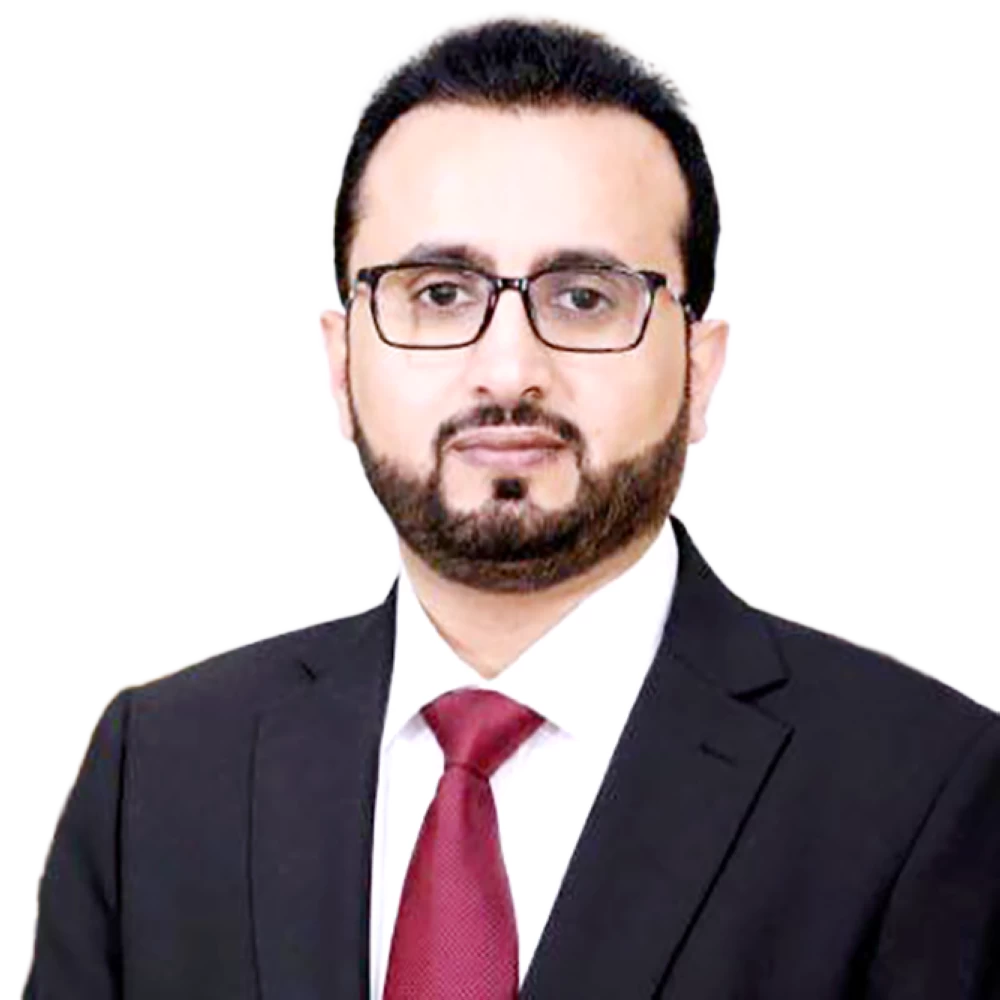
أكد وزير الخدمة المدنية والتأمينات اليمني سالم ثابت العولقي، أن الدعم السعودي لليمن يمثل ركيزة إستراتيجية في مساندة الحكومة اليمنية وتعزيز جهودها في مواجهة التحديات السياسية والاقتصادية والإنسانية، مشيداً بما تقدّمه المملكة من دعم متواصل أسهم في استقرار المؤسسات وتحسين الخدمات ودفع مسار الإصلاح والتعافي.
وقال العولقي في حوار مع «عكاظ»: إن الحكومة اليمنية بقيادة رئيس الوزراء الدكتور شائع الزنداني، تتحمّل مسؤولية وطنية كبيرة لإعادة بناء مؤسسات الدولة، وتحسين الخدمات العامة، وتطبيع الأوضاع المعيشية للمواطنين، رغم التحديات التي فرضتها الحرب وتداعياتها الاقتصادية والإنسانية. وأوضح الوزير العولقي، أن الحكومة تركّز على ترسيخ الاستقرار المؤسسي والإداري، وتحسين بيئة العمل في أجهزة الدولة، وتنفيذ إصلاحات مالية وإدارية واقتصادية تستهدف رفع كفاءة الأداء الحكومي، مؤكداً أن إعادة إنتاج وتصدير النفط والغاز تمثل أولوية باعتبارهما المصدر الرئيس لرفد الموازنة العامة.
رفع كفاءة الإنفاق
وأشار إلى أن الحكومة تعمل على تنمية الإيرادات العامة، ورفع كفاءة الإنفاق، وتوجيه الموارد نحو صرف مرتبات موظفي الدولة، وتحسين الخدمات الأساسية، ودعم قطاع الكهرباء، وتنفيذ مشاريع البنية التحتية، إلى جانب تعزيز الشراكة مع الأشقاء والأصدقاء، وفي مقدمتهم المملكة العربية السعودية.
ووصف الدعم السعودي بأنه «إستراتيجي وأخوي»، مؤكداً أنه يجسّد عمق العلاقات بين البلدين، ويتميّز باستمراريته وتركيزه على المشاريع التي تمس حياة المواطنين، سواء عبر البرنامج السعودي لتنمية وإعمار اليمن أو المبادرات الإنسانية والإغاثية، بما أسهم في دعم الإصلاحات الحكومية وتعزيز الاستقرار الاقتصادي والمؤسسي.
وأضاف الوزير العولقي، أن المملكة لعبت دوراً محورياً في تمكين مؤسسات الدولة من أداء مهامها، من خلال الودائع والمنح التي دعمت الاستقرار النقدي والمالي، إضافة إلى مشاريع تنموية في قطاعات الكهرباء والمياه والصحة والتعليم، وبرامج إغاثية استهدفت الفئات الأكثر احتياجاً.
معالجة الاختلالات الإدارية
وأكد وزير الخدمة اليمني، أن إسقاط مليشيا الحوثي واستعادة مؤسسات الدولة يمثلان أولوية وطنية، باعتبارهما الأساس الذي تقوم عليه برامج الإصلاح والتنمية، لافتاً إلى أن وزارة الخدمة المدنية تركّز على معالجة الاختلالات الإدارية، وفي مقدمتها الازدواج الوظيفي، والوظائف الوهمية، والانضباط الوظيفي، واستكمال قاعدة البيانات الوطنية الموحدة للموظفين.
وكشف الوزير العولقي، أن الوزارة أعدّت مشروعاً متكاملاً للإصلاح المؤسسي قُدّم إلى مجلس الوزراء، يتضمّن برامج لإعادة الهيكلة، والتحوّل الرقمي، وإعادة هندسة الإجراءات، وتحديث كشوفات الرواتب بدعم من البنك الدولي، إلى جانب تعزيز الحوكمة والشفافية ورفع كفاءة الجهاز الإداري.
التنفيذ بشفافية وعدالة
وأشار إلى أن القرارات الحكومية الأخيرة بإطلاق العلاوات السنوية، والتسويات الوظيفية، وزيادة رواتب الموظفين بنسبة 20%، تمثل خطوة مهمة لتحسين أوضاع الموظفين والتخفيف من آثار الظروف الاقتصادية، مؤكداً أن تنفيذها سيتم بشفافية وعدالة.
وأوضح وزير الخدمة، أن رؤية الوزارة تقوم على بناء إدارة عامة حديثة من خلال تسريع التحوّل الرقمي، واستكمال توصيف وتصنيف الوظائف، ومراجعة الهياكل التنظيمية، وإعادة هندسة الإجراءات بما يسهم في رفع الإنتاجية وتحسين جودة الخدمات الحكومية.
ملف حسّاس
وفي ما يتعلق بالموظفين النازحين من مناطق سيطرة الحوثيين، وصف الوزير العولقي، الملف بأنه من أكثر الملفات حساسية وتعقيداً، مؤكداً أن الوزارة تعمل بالتنسيق مع الجهات المختصة على الحفاظ على حقوقهم الوظيفية، وبناء قاعدة بيانات دقيقة لهم، وإيجاد حلول عادلة تراعي الظروف الاستثنائية التي فرضتها الحرب.
وأضاف وزير الخدمة اليمني، أن الحكومة تصرف مرتبات نحو 23 ألف موظف نازح، وأن الوزارة أصدرت كشوفات مرتباتهم المتوقفة لعام 2025، وتستكمل حالياً إجراءات صرف مستحقات عام 2026، بما يضمن انتظامها واستمرارها، معرباً عن أمله في أن تسهم الجهود الحكومية واستعادة مؤسسات الدولة في التوصل إلى حلول مستدامة تحفظ حقوق الموظفين وتخفف من معاناتهم.
The Yemeni Minister of Civil Service and Insurance, Salem Thabit Al-Awlaki, confirmed that Saudi support for Yemen represents a strategic pillar in assisting the Yemeni government and enhancing its efforts to face political, economic, and humanitarian challenges. He praised the continuous support provided by the Kingdom, which has contributed to the stability of institutions, improved services, and advanced the path of reform and recovery.
Al-Awlaki stated in an interview with "Okaz" that the Yemeni government, led by Prime Minister Dr. Sha'if Al-Zandani, bears a significant national responsibility to rebuild state institutions, improve public services, and normalize the living conditions of citizens, despite the challenges imposed by the war and its economic and humanitarian repercussions. Minister Al-Awlaki explained that the government focuses on consolidating institutional and administrative stability, improving the work environment in state agencies, and implementing financial, administrative, and economic reforms aimed at enhancing the efficiency of government performance, emphasizing that the re-production and export of oil and gas are priorities as they are the main sources for supporting the public budget.
Enhancing Spending Efficiency
He pointed out that the government is working on developing public revenues, enhancing spending efficiency, directing resources towards paying state employees' salaries, improving basic services, supporting the electricity sector, and implementing infrastructure projects, in addition to strengthening partnerships with brothers and friends, foremost among them the Kingdom of Saudi Arabia.
He described Saudi support as "strategic and fraternal," affirming that it embodies the depth of relations between the two countries and is characterized by its continuity and focus on projects that affect the lives of citizens, whether through the Saudi Program for the Development and Reconstruction of Yemen or humanitarian and relief initiatives, which have contributed to supporting government reforms and enhancing economic and institutional stability.
Minister Al-Awlaki added that the Kingdom has played a pivotal role in enabling state institutions to perform their duties, through deposits and grants that supported monetary and financial stability, in addition to developmental projects in the sectors of electricity, water, health, and education, as well as relief programs targeting the most vulnerable groups.
Addressing Administrative Imbalances
The Yemeni Minister of Civil Service confirmed that the overthrow of the Houthi militia and the restoration of state institutions represent a national priority, as they are the foundation upon which reform and development programs are built. He noted that the Ministry of Civil Service focuses on addressing administrative imbalances, foremost among them dual employment, fictitious jobs, job discipline, and completing the unified national database for employees.
Minister Al-Awlaki revealed that the ministry has prepared a comprehensive project for institutional reform that has been submitted to the Cabinet, which includes programs for restructuring, digital transformation, re-engineering procedures, and updating salary lists with the support of the World Bank, in addition to enhancing governance, transparency, and improving the efficiency of the administrative apparatus.
Implementation with Transparency and Justice
He indicated that the recent government decisions to launch annual bonuses, job adjustments, and increase employees' salaries by 20% represent an important step to improve employees' conditions and alleviate the impacts of economic circumstances, affirming that their implementation will be carried out with transparency and justice.
The Minister of Civil Service explained that the ministry's vision is based on building a modern public administration by accelerating digital transformation, completing job descriptions and classifications, reviewing organizational structures, and re-engineering procedures in a way that contributes to increasing productivity and improving the quality of government services.
A Sensitive File
Regarding employees displaced from areas under Houthi control, Minister Al-Awlaki described the file as one of the most sensitive and complex issues, affirming that the ministry is working in coordination with the relevant authorities to preserve their employment rights, build an accurate database for them, and find fair solutions that take into account the exceptional circumstances imposed by the war.
The Yemeni Minister of Civil Service added that the government pays salaries to about 23,000 displaced employees, and that the ministry has issued their suspended salary lists for the year 2025, and is currently completing the procedures for disbursing their entitlements for the year 2026, ensuring their regularity and continuity, expressing hope that government efforts and the restoration of state institutions will contribute to reaching sustainable solutions that preserve employees' rights and alleviate their suffering.