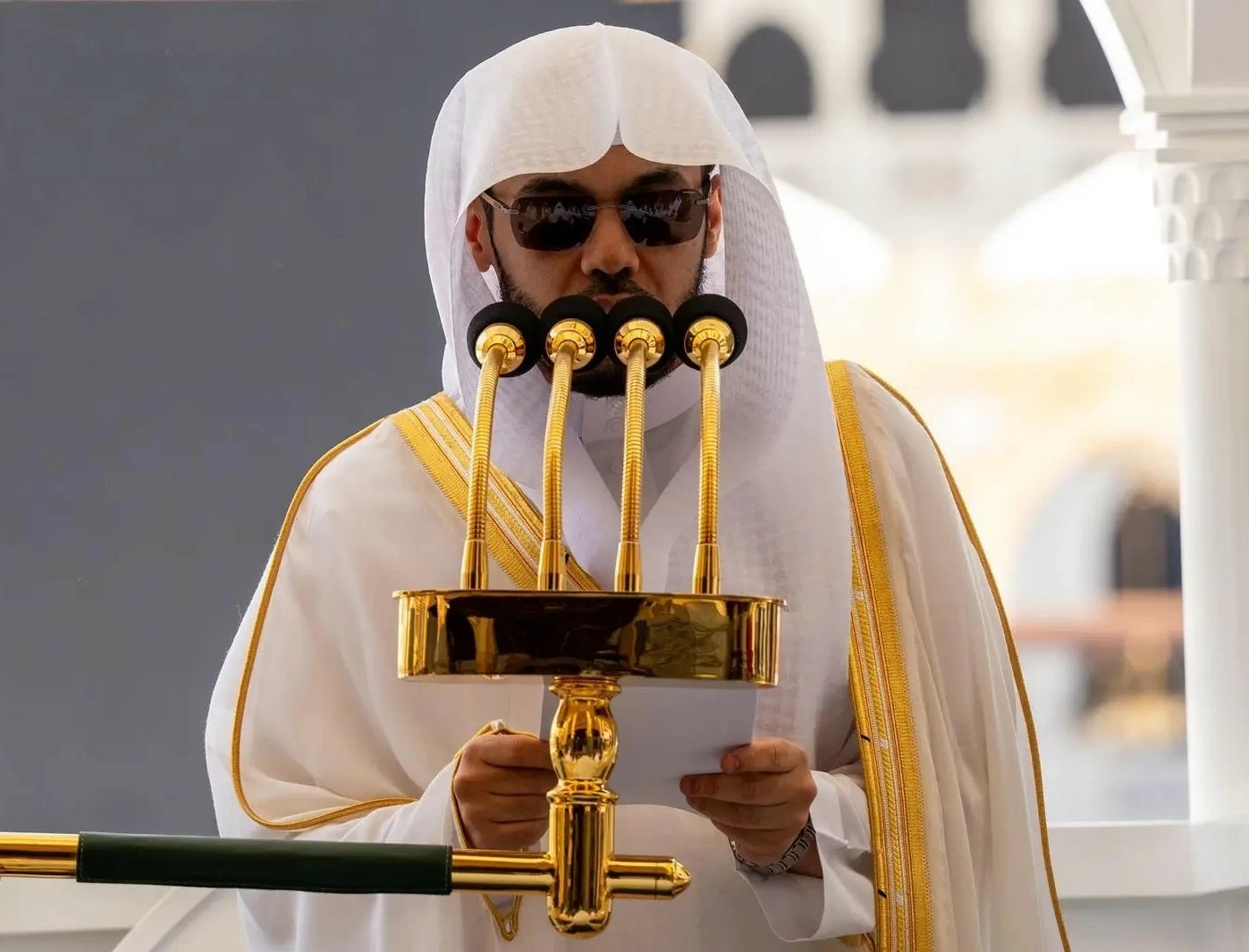
أوصى إمام وخطيب المسجد الحرام الشيخ الدكتور ياسر بن راشد الدوسري، المسلمين بتقوى الله -عز وجل-، مبينًا أن التقوى سبيل الفوز والنجاة، وأن من أعظم نعم الله على عباده نعمة البصر التي تستوجب شكرها باستعمالها فيما يرضيه سبحانه، محذرًا من إطلاق النظر إلى المحرمات لما يترتب عليه من آثار على القلب والدين والسلوك.
وأوضح أن الله تعالى امتن على عباده بنعمة البصر، وجعلها وسيلة لمعرفة الحق والاهتداء إليه، مؤكدًا أن شكر هذه النعمة يكون بحفظها عن الحرام، واستعمالها فيما ينفع، مستشهدًا بقوله تعالى: ﴿وَاللَّهُ أَخْرَجَكُم مِّن بُطُونِ أُمَّهَاتِكُمْ لَا تَعْلَمُونَ شَيْئًا وَجَعَلَ لَكُمُ السَّمْعَ وَالْأَبْصَارَ وَالْأَفْئِدَةَ لَعَلَّكُمْ تَشْكُرُونَ﴾.
وأشار إلى أن غض البصر من أجلِّ العبادات التي تزكي القلب وتحفظ الجوارح، وأن إطلاق النظر إلى المحرمات يعد من أعظم أبواب الفتنة، إذ يورث تعلق القلب بالشهوات ويوقع صاحبه في الغفلة، مبينًا أن الشريعة لم تقتصر على تحريم الفواحش، بل حرمت الوسائل المفضية إليها، ولذلك جاء الأمر الإلهي بحفظ الأبصار قبل حفظ الفروج في قوله تعالى: ﴿قُل لِّلْمُؤْمِنِينَ يَغُضُّوا مِنْ أَبْصَارِهِمْ وَيَحْفَظُوا فُرُوجَهُمْ ۚ ذَٰلِكَ أَزْكَىٰ لَهُمْ ۗ إِنَّ اللَّهَ خَبِيرٌ بِمَا يَصْنَعُونَ﴾، ثم قال سبحانه: ﴿وَقُل لِّلْمُؤْمِنَاتِ يَغْضُضْنَ مِنْ أَبْصَارِهِنَّ وَيَحْفَظْنَ فُرُوجَهُنَّ﴾.
وبيّن الشيخ الدوسري أن النظرة المحرمة سهم مسموم يفسد القلب ويطفئ نور الإيمان، ويجعل صاحبه أسيرًا للشهوة، لافتًا إلى أن انتشار وسائل التقنية ومواقع التواصل وما تحمله من صور ومشاهد يتطلب من المسلم مزيدًا من مراقبة الله، وحفظ بصره، والابتعاد عن كل ما يثير الفتن أو يقوده إلى المعصية.
وأكد أن غض البصر يورث راحة القلب وسلامة النفس وحلاوة الإيمان، ويعين على الطاعة، ويقوي البصيرة، ويمنح صاحبه نورًا في القلب وحكمة في الرأي، بينما يؤدي إطلاق البصر إلى تشتيت الفكر، وإضعاف الإرادة، وتعليق القلب بما لا ينفع، مؤكدًا أن ما عند الله خير وأبقى، مستشهدًا بقوله تعالى: ﴿وَلَا تَمُدَّنَّ عَيْنَيْكَ إِلَىٰ مَا مَتَّعْنَا بِهِ أَزْوَاجًا مِّنْهُمْ زَهْرَةَ الْحَيَاةِ الدُّنْيَا لِنَفْتِنَهُمْ فِيهِ ۚ وَرِزْقُ رَبِّكَ خَيْرٌ وَأَبْقَىٰ﴾.
وفي الخطبة الثانية، دعا إمام وخطيب المسجد الحرام إلى الاستعانة بتقوى الله، والخوف منه، والإكثار من دعائه، ومجاهدة النفس، مبينًا أن من ترك شيئًا لله عوضه الله خيرًا منه، وأن من الوسائل المعينة على غض البصر الابتعاد عن مواطن الشبهات والفتن ومجالس السوء، مؤكدًا أن غض البصر ليس حرمانًا، بل هو صيانة للدين وحفظ للكرامة.
كما حث المسلمين على مراقبة الله في السر والعلن، مستشهدًا بقوله تعالى: ﴿إِنَّ السَّمْعَ وَالْبَصَرَ وَالْفُؤَادَ كُلُّ أُولَٰئِكَ كَانَ عَنْهُ مَسْؤُولًا﴾.
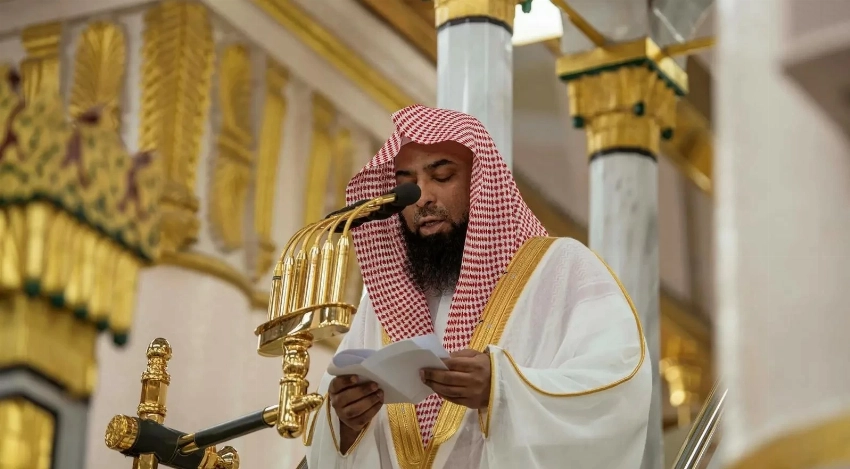
كما أوصى إمام وخطيب المسجد النبوي الشيخ صلاح البدير المسلمين بتقوى الله مُذكّرًا بالرجوع إلى يوم القيامة قال تعالى (وَاتَّقُوا يَوْمًا تُرْجَعُونَ فِيهِ إِلَى اللَّهِ ثُمَّ تُوَفَّىٰ كُلُّ نَفْسٍ مَّا كَسَبَتْ وَهُمْ لَا يُظْلَمُونَ).
وبيّن إمام وخطيب المسجد النبوي الشريف أن اشتداد الحر يذكر بنار جهنم التي اشتدّ حرّها وبعد قعرها الذي هو من فيحها قال تعالى (قُلْ نَارُ جَهَنَّمَ أَشَدُّ حَرًّا ۚ لَّوْ كَانُوا يَفْقَهُونَ) وفي الحديث عن أبي هريرة -رضي الله عن قال: قال رسول الله -صلى الله عليه وسلم- (اشتَكَتِ النَّارُ إلى رَبِّها، فقالت: يا رَبِّ، أكَلَ بَعضي بَعضًا، فأذِنَ لَها بنَفَسَينِ: نَفَسٍ في الشِّتاءِ، ونَفَسٍ في الصَّيفِ، فهو أشَدُّ ما تَجِدونَ مِنَ الحَرِّ، وأشَدُّ ما تَجِدونَ مِنَ الزَّمهَريرِ).
وأوضح إمام وخطيب المسجد النبوي أن على المسلم أن يتقي النار والفرار منها بتقوى الله وترك المعاصي والرجوع إلى الله تعالى.
وبيّن أن على المسلم التيقظ لما بين يديه والتأهب لما بعد ذلك فمن أحسن فنعم ما جمع وإن أساء فبئس ما صنع وأن الفائز من نفعته التذكرة واستعد للدار الآخرة.
وفي الخطبة الثانية، بيّن إمام وخطيب المسجد النبوي استحباب سقي الماء البارد ليقي الناس من شدة الحر والتحذير من التراخي عن سقي الظمآن والتذكير بأن في سقيه أجرًا ففي الحديث القدسي عن أبي هريرة -رضي الله عنه- قال: قال رسول الله -صلى الله عليه وسلم- (إن الله عز وجل يقول يوم القيامة: يا ابن آدم مرضت فلم تعدني قال: يا رب كيف أعودك؟ وأنت رب العالمين قال: أما علمت أن عبدي فلانًا مرض فلم تعده، أما علمت أنك لو عدته لوجدتني عنده، يا ابن آدم استطعمتك فلم تطعمني قال: يا رب وكيف أطعمك؟ وأنت رب العالمين قال: أما علمت أنه استطعمك عبدي فلان فلم تطعمه، أما علمت أنك لو أطعمته لوجدت ذلك عندي، يا ابن آدم استسقيتك فلم تسقني قال: يا رب كيف أسقيك؟ وأنت رب العالمين قال: استسقاك عبدي فلان فلم تسقه، أما إنك لو سقيته وجدت ذلك عندي).
وختم بأن على المسلمين التراحم بينهم في هذا الحر وتفقد الفقراء وإعانة الضعفاء وأولادهم بالصدقات والمعونات والإحسان وتوزيع الماء في الطرقات والمساجد والأسواق وحفر الآبار والبرادات العامة وجعلها سبيلًا ففي الحديث عن جابر بن عبدالله -رضي الله عنهما- عن رسول الله -صلى الله عليه وسلم- (مَنْ حَفَرَ مَاءً لَمْ يَشْرَبْ مِنْهُ كَبِدٌ حَرِيٌّ مِنْ جِنٍّ وَلَا إِنْسٍ وَلَا طَائِرٍ ولا سبع إِلَّا آجَرَهُ اللَّهُ يَوْمَ الْقِيَامَةِ، وَمَنْ بَنَى مَسْجِدًا كَمَفْحَصِ قَطَاةٍ أَوْ أَصْغَرَ بَنَى اللَّهُ لَهُ بَيْتًا فِي الْجَنَّةِ).
The Imam and preacher of the Grand Mosque, Sheikh Dr. Yasser bin Rashid Al-Dosari, advised Muslims to fear Allah - the Almighty - emphasizing that piety is the path to success and salvation. He noted that one of the greatest blessings of Allah upon His servants is the blessing of sight, which requires gratitude by using it in ways that please Him, warning against gazing at the forbidden due to the consequences it has on the heart, religion, and behavior.
He explained that Allah, the Exalted, has bestowed upon His servants the blessing of sight, making it a means to know the truth and be guided to it. He affirmed that gratitude for this blessing is achieved by protecting it from the unlawful and using it for beneficial purposes, citing His saying: ﴿AND ALLAH HAS BROUGHT YOU OUT FROM THE BELLY OF YOUR MOTHERS, NOT KNOWING A THING, AND HE MADE FOR YOU HEARING, SIGHT, AND HEARTS; PERHAPS YOU WILL BE GRATEFUL﴾.
He pointed out that lowering the gaze is one of the most noble acts of worship that purifies the heart and protects the limbs, and that gazing at the forbidden is one of the greatest doors to temptation, as it leads the heart to attachment to desires and causes its owner to fall into heedlessness. He clarified that the Sharia did not limit itself to prohibiting immoral acts but also forbade the means that lead to them. Therefore, the divine command to guard the eyes came before guarding the private parts in His saying: ﴿TELL THE BELIEVERS TO LOWER THEIR GAZE AND GUARD THEIR PRIVATE PARTS; THAT IS PURER FOR THEM. ALLAH IS ALL-AWARE OF WHAT THEY DO﴾. Then He said: ﴿AND TELL THE BELIEVING WOMEN TO LOWER THEIR GAZE AND GUARD THEIR PRIVATE PARTS﴾.
Sheikh Al-Dosari stated that a forbidden glance is a poisoned arrow that corrupts the heart and extinguishes the light of faith, making its owner a captive of desire. He noted that the spread of technology and social media, along with the images and scenes they carry, requires Muslims to be more vigilant of Allah, to guard their gaze, and to avoid everything that stirs temptation or leads to sin.
He affirmed that lowering the gaze brings peace to the heart, safety to the soul, and sweetness of faith. It aids in obedience, strengthens insight, and grants its possessor light in the heart and wisdom in judgment, while allowing the gaze to wander leads to distraction of thought, weakening of will, and attachment of the heart to what is of no benefit. He emphasized that what is with Allah is better and everlasting, citing His saying: ﴿AND DO NOT EXTEND YOUR EYES TOWARDS THAT WHICH WE HAVE GIVEN SOME OF THEM TO ENJOY, THE FLOWERS OF THE LIFE OF THIS WORLD, THAT WE MAY TEST THEM IN IT; AND THE PROVISION OF YOUR LORD IS BETTER AND MORE LASTING﴾.
In the second sermon, the Imam and preacher of the Grand Mosque called for seeking the piety of Allah, fearing Him, increasing supplication, and striving against oneself. He explained that whoever leaves something for the sake of Allah, Allah will compensate him with something better, and that one of the means to help lower the gaze is to stay away from places of doubt, temptation, and evil gatherings, affirming that lowering the gaze is not deprivation but rather a protection of religion and preservation of dignity.
He also urged Muslims to be mindful of Allah in secret and in public, citing His saying: ﴿INDEED, THE HEARING, THE SIGHT, AND THE HEART - ABOUT ALL THOSE WILL BE QUESTIONED﴾.
The Imam and preacher of the Prophet's Mosque, Sheikh Salah Al-Budair, also advised Muslims to fear Allah, reminding them of the Day of Judgment, as Allah says: (AND FEAR A DAY WHEN YOU WILL BE RETURNED TO ALLAH; THEN EVERY SOUL WILL BE FULLY COMPENSATED FOR WHAT IT EARNED, AND THEY WILL NOT BE WRONGED).
The Imam and preacher of the Prophet's Mosque explained that the intensity of the heat reminds one of the fire of Hell, which has a severe heat and a deep pit that is part of its blaze. Allah says: (SAY, THE FIRE OF HELL IS HOTTER; IF ONLY THEY WOULD UNDERSTAND). In a narration from Abu Huraira - may Allah be pleased with him - the Messenger of Allah - peace be upon him - said: (The Fire complained to its Lord, saying: O my Lord, some of me has consumed some of me. So He allowed it two breaths: one in winter and one in summer, and that is the most intense heat you experience, and the most intense cold you experience).
The Imam and preacher of the Prophet's Mosque clarified that a Muslim must fear the Fire and flee from it by fearing Allah, abandoning sins, and returning to Allah, the Exalted.
He explained that a Muslim should be vigilant about what is before him and prepare for what comes after. Whoever does good, then he has gathered well; and whoever does evil, then he has done poorly. The successful one is the one who benefits from the reminder and prepares for the Hereafter.
In the second sermon, the Imam and preacher of the Prophet's Mosque explained the desirability of providing cold water to protect people from the intense heat and warned against neglecting to give water to the thirsty, reminding that there is a reward in providing it. In a sacred hadith from Abu Huraira - may Allah be pleased with him - the Messenger of Allah - peace be upon him - said: (Indeed, Allah, the Exalted, will say on the Day of Judgment: O son of Adam, I was sick, and you did not visit Me. He will say: O my Lord, how can I visit You when You are the Lord of the worlds? He will say: Did you not know that My servant so-and-so was sick, and you did not visit him? Did you not know that if you had visited him, you would have found Me with him? O son of Adam, I asked you for food, and you did not feed Me. He will say: O my Lord, how can I feed You when You are the Lord of the worlds? He will say: Did you not know that My servant so-and-so asked you for food, and you did not feed him? Did you not know that if you had fed him, you would have found that with Me? O son of Adam, I asked you for drink, and you did not give Me to drink. He will say: O my Lord, how can I give You to drink when You are the Lord of the worlds? He will say: My servant so-and-so asked you for drink, and you did not give him to drink. Know that if you had given him to drink, you would have found that with Me).
He concluded by urging Muslims to show compassion towards one another in this heat, to check on the poor, and to assist the weak and their children with charity, aid, and kindness, distributing water in the streets, mosques, and markets, digging wells, and establishing public water coolers as a means of charity. In a narration from Jabir bin Abdullah - may Allah be pleased with both of them - from the Messenger of Allah - peace be upon him - (Whoever digs a well from which no living creature drinks, neither jinn nor human nor bird, nor wild animal, except that Allah will reward him on the Day of Judgment, and whoever builds a mosque, even as small as a sparrow's nest or smaller, Allah will build for him a house in Paradise).