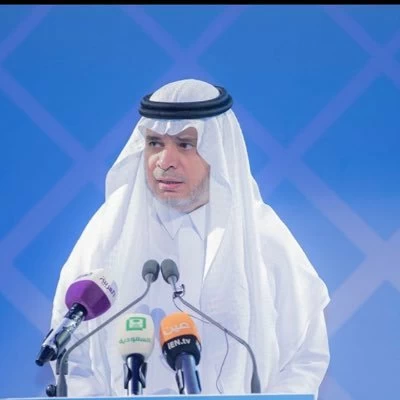
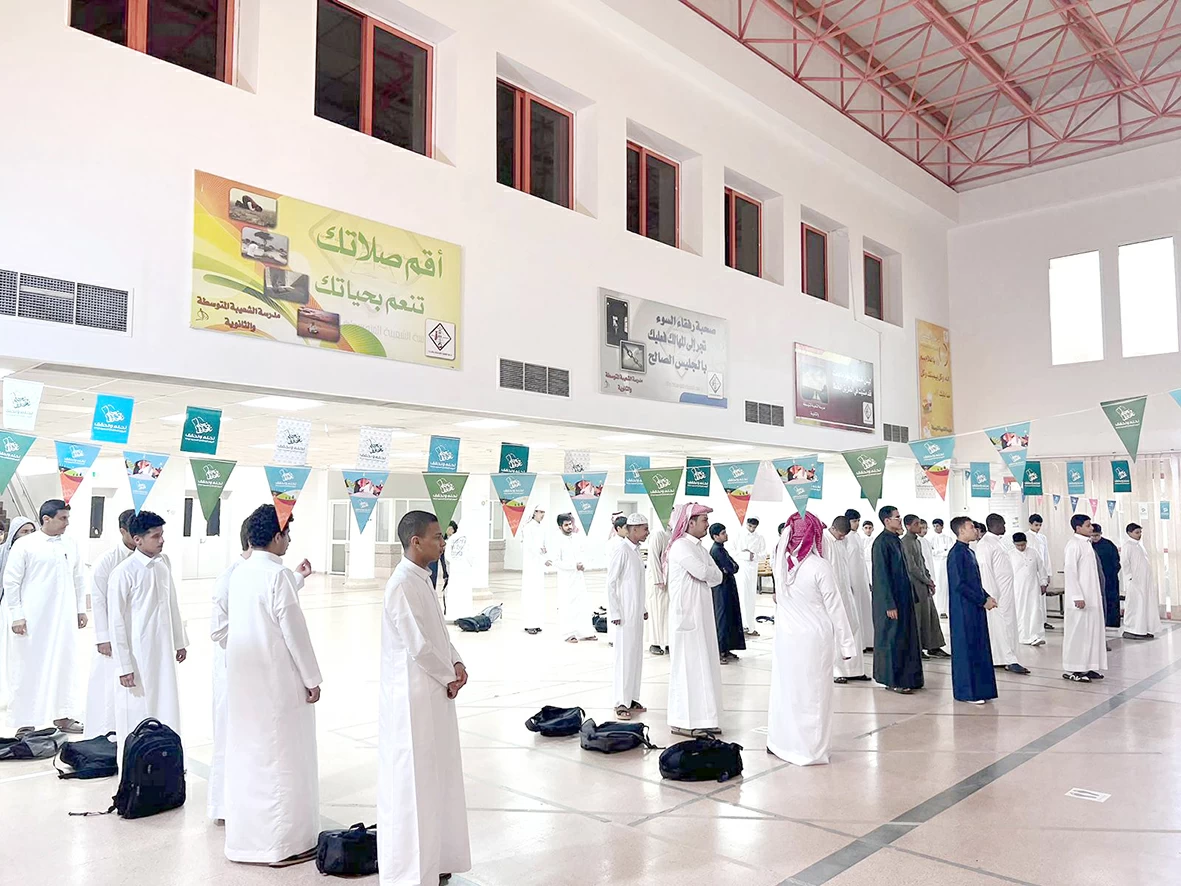
أكد وزير التعليم السابق الدكتور أحمد العيسى، أن إقرار نظام التعليم العام يمثل تحولاً تاريخياً في مسيرة التعليم السعودي، بوصفه أول نظام شامل يجمع الأهداف والسياسات والصلاحيات والمسؤوليات ضمن مرجعية قانونية واحدة. وقال العيسى، عبر حسابه في منصة «x»: إن التعليم السعودي يدخل مرحلة جديدة، موضحاً أن النظام الجديد ينهي العمل بالقرارات المتفرقة، ويطوي وثائق مضى عليها الزمن، وفي مقدمتها وثيقة سياسة التعليم التي صدرت قبل نحو 6 عقود. وأضاف أن النظام يعيد تنظيم منظومة التعليم بدءاً من ترسيخ ثوابت الدولة والهوية الوطنية واللغة العربية، مروراً بإلزامية التعليم حتى سن الخامسة عشرة، وصولاً إلى مساءلة أولياء الأمور المقصرين في إلحاق أبنائهم بالمدارس. وأشار إلى أن المدرسة في النظام الجديد لم تعد تقتصر على نقل المعرفة، بل تستهدف بناء طالب يمتلك مهارات التفكير الناقد والإبداعي، والاتصال الفاعل، وحل المشكلات، والاستعداد لمتطلبات الحياة وسوق العمل. ووصف العيسى، إنشاء مجلس شؤون التعليم العام بأنه من أبرز التحوّلات التي تضمّنها النظام، مبيناً أن رسم سياسات التعليم أصبح يتم بمشاركة جهات حكومية وخبراء ومختصين، بعد أن كان محصوراً في نطاق الوزارة. واختتم بالتأكيد أن قوة النظام تكمن في شموليته، معتبراً أنه يمثل «دستوراً تنظيمياً» للتعليم العام يحدد التوجهات، ويوزع المسؤوليات، ويوفر مرجعية مستقرة للمنظومة التعليمية بعد عقود من القرارات المتفرقة.
Former Minister of Education Dr. Ahmed Al-Issa confirmed that the approval of the general education system represents a historic transformation in the journey of Saudi education, being the first comprehensive system that consolidates goals, policies, authorities, and responsibilities within a single legal framework. Al-Issa stated, via his account on the platform "x": that Saudi education is entering a new phase, explaining that the new system ends the implementation of scattered decisions and puts an end to outdated documents, foremost among them the education policy document that was issued nearly six decades ago. He added that the system reorganizes the education system starting from reinforcing the constants of the state, national identity, and the Arabic language, moving through mandatory education until the age of fifteen, and reaching the accountability of parents who fail to enroll their children in schools. He pointed out that the school in the new system is no longer limited to transferring knowledge but aims to build a student who possesses critical and creative thinking skills, effective communication, problem-solving abilities, and readiness for the demands of life and the labor market. Al-Issa described the establishment of the Council for General Education Affairs as one of the most prominent transformations included in the system, indicating that the formulation of education policies is now done with the participation of government entities, experts, and specialists, after being confined to the ministry's scope. He concluded by emphasizing that the strength of the system lies in its comprehensiveness, considering it a "regulatory constitution" for general education that defines directions, distributes responsibilities, and provides a stable reference for the educational system after decades of scattered decisions.