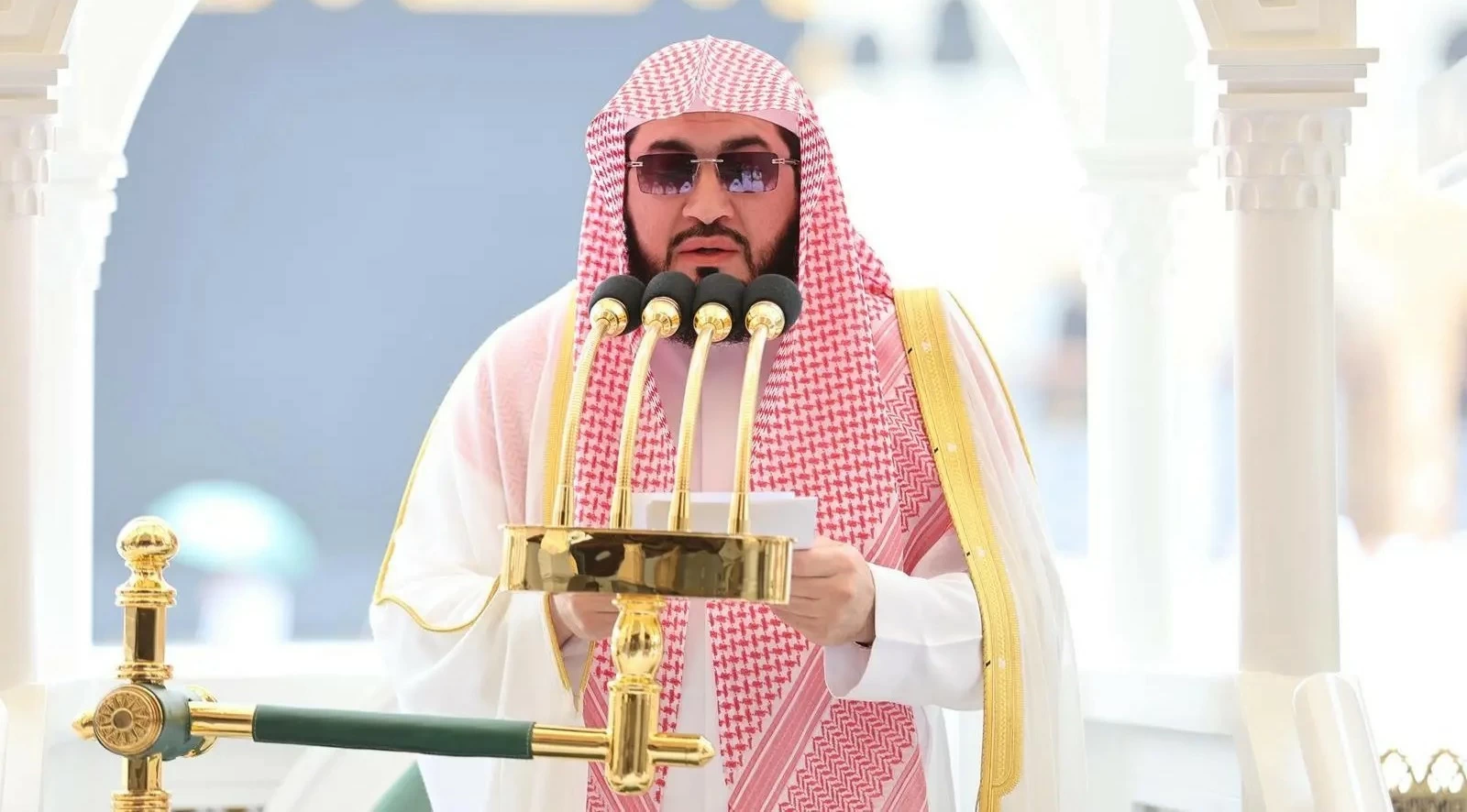
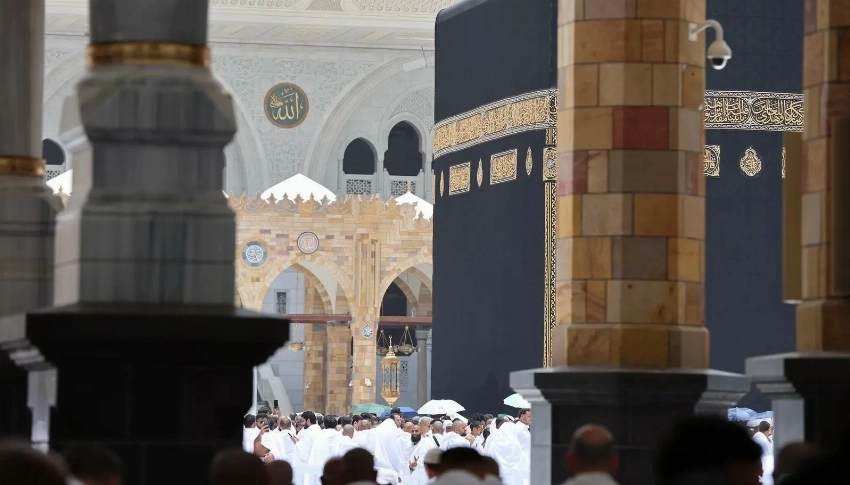
أوصى إمام وخطيب المسجد الحرام الشيخ الدكتور بندر بليلة، المسلمين بتقوى الله والعلم أَن الثبات على دينِ اللَّه هو رأْس مال المؤمنِ في هذه الحياة، وسبِيل نجاته بعد الممات، وأَنَّ قدم الإِسلام لا تثبت إِلَّا على قنطرة التسليم والاستسلام.
وقال في خطبته التي ألقاها اليوم بالمسجد الحرام: «مع تعاقب الأعوام، وتباعد الأزمان عن نورِ مشكاة خيرِ الأنام، توالت المِحن، وعمَّت الفتن، وتنوعت الشبهات، وتكاثرت الشهوات، وازدادت الصوارِف وتوالت الملهِيات، فعن أَنسٍ رضي الله عنه، قال: قال رسول الله صلى الله عليه وسلم: «لا يأْتي عليكم زمان إِلا الذي بعده شر منه حتى تلقوا ربكم» أَخرجه البخارِي.
وأوضح أن أَعظم المصائب التي تلحق المؤمن ليس في نقصِ الأموال والأرزاقِ، لكن المصيبة العظمى، والبليَّة الكبرى، هي الفتنة في الدينِ، وزعزعة اليقينِ، ولهذا كان نبِينا يكثر من الدعاء بِقوله: «ولا تجعل مصيبتنا في ديننا».
وشدد على كل مسلم، حرِيص على سلامة دينه، يرجو لقاء ربه، أَن يتمسك بِما يحفظ عليه إيمانه، ويتشبث بما يحمي له توحيده، وأساس ذلك وأصله وأولاه، دعاء الله جل في علاه، فلا ثبات لمن لم يثبته مولاه.
وبيّن أن من أهم أسباب الثبات على دين الله، تعاهد القرآن الكريم بالتلاوة لحروفه، والتدبر لآياته، وبالتفقه في معانيه، والعمل بما جاء فيه، ثم باستذكار قصص الصالحين، من السابقين الأولين، والسلف الماضين، من الأنبياء والمرسلين، ومن تبعهم بإحسان على مر السنين.
وأضاف: أن التمسك بِكتابِه، ولزوم الجماعة، ونبذ الشقاق والفرقة، والبعد عن مواطنِ الشبهة والشهوات، واجتناب مجالسِ اللهوِ والمغرِيات، يسلم للعبد دينه، وتصفو له سرِيرته.
واختتم الخطبة قائلًا: «فالله الله في الالتزام بِالكتاب والسنة، على منهجِ سلف الأمة، والبعد عن أهلِ الزيغِ والبِدعة، ثمَّ عليكم بِالصبرِ، فإِنَّ الصابِر على دينه زمن الفتنِ، كالقابِضِ على الجمرِ».
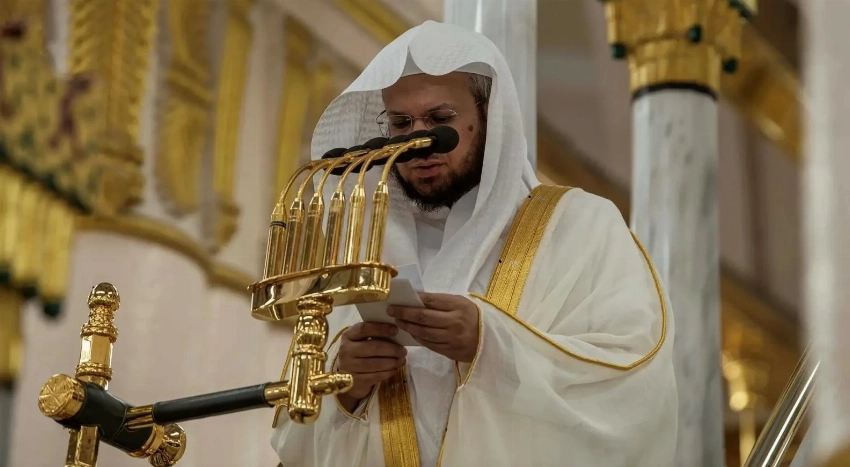
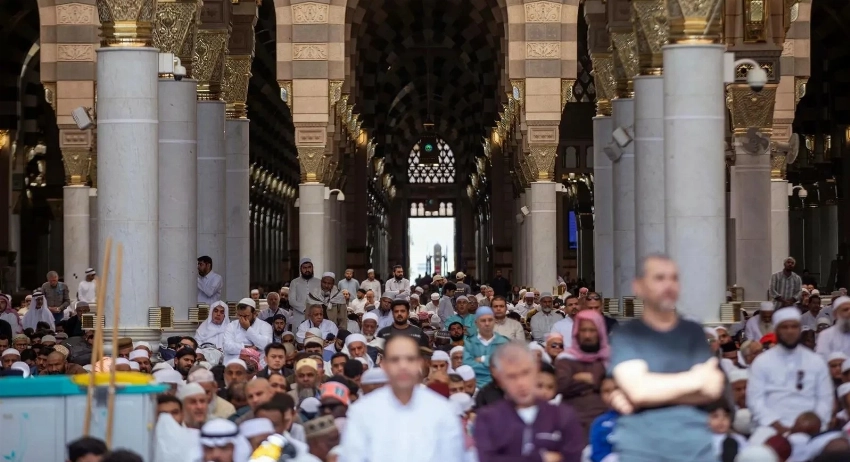
كما تحدث فضيلة إمام وخطيب المسجد النبوي الشيخ الدكتور عبدالمحسن القاسم، في خطبة الجمعة عن نعمة الأبناء، مبينًا أنهم من أجلّ النعم التي أنعم الله بها على عباده، وهبة ربانية امتن الله بها على عدد من أنبيائه، مستشهدًا بقوله تعالى في شأن زكريا عليه السلام: (وَوَهَبْنَا لَهُ يَحْيَىٰ)، مؤكدًا أن صلاح الأبناء يتحقق بحسن تربيتهم، وغرس العقيدة والقيم في نفوسهم، ورعايتهم وفق هدي الكتاب والسنة.
وأوضح أن الأبناء بشارة تدخل الفرح والسرور إلى قلوب الآباء والأمهات، مستشهدًا ببشارة الله تعالى لإبراهيم عليه السلام بقوله: «فَبَشَّرْنَاهُ بِغُلَامٍ حَلِيمٍ»، مشيرًا إلى عظيم شأنهم، فقد أقسم الله تعالى بالوالد وولده في قوله: «وَوَالِدٍ وَمَا وَلَدَ»، وجعلهم زينةً للحياة الدنيا، فقال سبحانه: «الْمَالُ وَالْبَنُونَ زِينَةُ الْحَيَاةِ الدُّنْيَا».
وبيَّن أن الأبناء أمانة في أعناق الوالدين، تتمثل في حفظ دينهم، وبناء أخلاقهم، وتوجيه سلوكهم، وصيانة فطرتهم، موضحًا أن الأنبياء عليهم السلام كانوا يسألون الله تعالى صلاح ذريتهم قبل وجودهم، فدعا إبراهيم عليه السلام ربه قائلًا: «رَبِّ اجْعَلْنِي مُقِيمَ الصَّلَاةِ وَمِنْ ذُرِّيَّتِي»، ودعا زكريا عليه السلام بقوله: «رَبِّ هَبْ لِي مِن لَّدُنكَ ذُرِّيَّةً طَيِّبَةً».
وأضاف أن من فضل الله تعالى أن فطر الأبناء على الإيمان به سبحانه، مستشهدًا بقول النبي صلى الله عليه وسلم: «كل مولود يولد على الفطرة»، مؤكدًا أن أولى خطوات تربيتهم تتمثل في ترسيخ التوحيد في نفوسهم، وتعزيز الإيمان في قلوبهم، وتعليمهم كتاب الله عز وجل، وتعويدهم على الصلاة، وربط قلوبهم بالله تعالى، وترسيخ الاعتماد والتوكل عليه في جميع شؤونهم.
وأوضح إمام وخطيب المسجد النبوي أن من تمام تربيتهم تبصيرهم بحقوق الآخرين، وفي مقدمتها برُّ الوالدين، وتربيتهم على العزيمة، وعلو الهمة، مستشهدًا بقوله تعالى: «يَا يَحْيَىٰ خُذِ الْكِتَابَ بِقُوَّةٍ ۖ وَآتَيْنَاهُ الْحُكْمَ صَبِيًّا».
وأشار إلى أن من كمال التربية حسن معاملة الأبناء، والرفق بهم، وإشعارهم بالمحبة والاهتمام، مستشهدًا بما كان عليه النبي -صلى الله عليه وسلم- من التلطف مع الصبيان، والسلام عليهم، وملاطفتهم، وتعليمهم الآداب والأخلاق، كما في قوله لعمر بن أبي سلمة رضي الله عنهما: «يا غلام، سمِّ الله، وكل بيمينك، وكل مما يليك».
وبيّن أن النبي -صلى الله عليه وسلم- كان يكتشف مواهب الناشئة وينميها، ويحرص على تعليمهم أمور دينهم، وتكريمهم، وإعلاء شأنهم، تأكيدًا على مكانة الأبناء وأهمية العناية بهم وبناء شخصياتهم، موكدًا أن الدعاء بصلاح الأبناء من أعظم ما ينفعهم، ولذلك كان الأنبياء والصالحون يحرصون عليه، ومن ذلك دعاء النبي -صلى الله عليه وسلم- لابن عباس رضي الله عنهما وهو غلام فقال: «اللهم علِّمه الكتاب» رواه البخاري.
وأشار إلى أن صلاح الأبناء قرة عين للآباء، ويمتد أثره إليهم في الدنيا والآخرة، مبينًا أن من أعظم ما ينتفع به الوالدان بعد وفاتهما ولدٌ صالح يدعو لهما، مستشهدًا بقول النبي صلى الله عليه وسلم: «إذا مات الإنسان انقطع عنه عمله إلا من ثلاث: صدقة جارية، أو علم ينتفع به، أو ولد صالح يدعو له»، موضحًا أن الله تعالى يرفع درجات الوالدين في الجنة بصلاح أبنائهما واستغفارهم لهما، ويجمع بين الصالحين من الآباء والأبناء.
وأكد إمام وخطيب المسجد النبوي أن العناية بالأبناء مسؤوليةٌ مشتركة بين الوالدين، فصلاحهم ثمرة تعاون الأسرة في التربية والرعاية، مستشهدًا بقول النبي صلى الله عليه وسلم: «والمرأة راعيةٌ في بيت زوجها ومسؤولةٌ عن رعيتها» متفق عليه.
واختتم الخطبة بالدعوة إلى التحلي بالصبر في تربية الأبناء، وعدم اليأس من إصلاحهم وتقويمهم، محذرًا من الدعاء عليهم، لما في ذلك من خطر عظيم، مستشهدًا بقول النبي صلى الله عليه وسلم: «لا تدعوا على أنفسكم، ولا تدعوا على أولادكم، ولا تدعوا على أموالكم؛ لا توافقوا من الله ساعة يُسأل فيها عطاء فيستجيب لكم» رواه مسلم.
The Imam and preacher of the Grand Mosque, Sheikh Dr. Bandar Balilah, advised Muslims to fear Allah and to know that steadfastness on the religion of Allah is the capital of the believer in this life and the means of salvation after death, and that the foot of Islam will not remain firm except on the bridge of submission and surrender.
He said in his sermon delivered today at the Grand Mosque: "With the passing of years and the distance of times from the light of the lamp of the best of mankind, trials have followed, tribulations have spread, doubts have diversified, desires have multiplied, distractions have increased, and amusements have followed one another. Anas (may Allah be pleased with him) reported that the Messenger of Allah (peace be upon him) said: 'There will not come upon you a time except that which follows it is worse than it until you meet your Lord.' This was narrated by Al-Bukhari.
He clarified that the greatest calamities that befall the believer are not in the loss of wealth and provisions, but the greatest calamity and the greatest trial is the trial in religion and the shaking of certainty. For this reason, our Prophet used to frequently pray, saying: 'And do not make our calamity in our religion.'
He emphasized that every Muslim, keen on the safety of his religion and hoping to meet his Lord, should hold on to what preserves his faith and cling to what protects his monotheism. The foundation of this, its root, and its priority is the supplication to Allah, the Exalted in Might, for there is no steadfastness for one whom his Lord does not make steadfast.
He pointed out that among the most important reasons for steadfastness on the religion of Allah is to regularly engage with the Holy Quran by reciting its letters, contemplating its verses, understanding its meanings, and acting upon what is contained within it. Then, by recalling the stories of the righteous among the early predecessors, the prophets, and messengers, and those who followed them in goodness throughout the years.
He added that holding on to His Book, adhering to the community, rejecting discord and division, staying away from places of doubt and desires, and avoiding gatherings of amusement and temptations will safeguard the servant's religion and purify his inner self.
He concluded the sermon by saying: "So fear Allah in adhering to the Book and the Sunnah, following the methodology of the predecessors of the Ummah, and staying away from the people of deviation and innovation. Then, you must be patient, for the one who is patient in his religion during times of tribulation is like one who holds onto a burning coal."
Similarly, the esteemed Imam and preacher of the Prophet's Mosque, Sheikh Dr. Abdul Mohsen Al-Qasim, spoke in the Friday sermon about the blessing of children, explaining that they are among the greatest blessings that Allah has bestowed upon His servants, a divine gift that Allah has granted to several of His prophets. He cited Allah's words regarding Zakariya (peace be upon him): (And We granted him Yahya), emphasizing that the righteousness of children is achieved through their proper upbringing, instilling faith and values in their souls, and nurturing them according to the guidance of the Book and the Sunnah.
He explained that children bring joy and happiness to the hearts of fathers and mothers, citing Allah's glad tidings to Ibrahim (peace be upon him): "So We gave him good tidings of a forbearing boy," pointing to their great status, as Allah swore by the father and his child in His saying: "By the father and that which he begets," and made them adornments of this worldly life, as He said: "Wealth and children are [but] adornment of the worldly life."
He clarified that children are a trust upon the parents, represented in preserving their religion, building their morals, guiding their behavior, and protecting their innate nature. He explained that the prophets (peace be upon them) used to ask Allah for the righteousness of their offspring even before their existence. For instance, Ibrahim (peace be upon him) prayed to his Lord, saying: "My Lord, make me an establisher of prayer, and [many] from my descendants." And Zakariya (peace be upon him) prayed, saying: "My Lord, grant me from Yourself a good offspring."
He added that it is a favor from Allah that children are created with a natural inclination to believe in Him, citing the Prophet's saying: "Every newborn is born on the fitrah." He emphasized that the first steps in their upbringing involve instilling monotheism in their souls, strengthening faith in their hearts, teaching them the Book of Allah, training them to pray, connecting their hearts to Allah, and establishing reliance and trust in Him in all their affairs.
The Imam and preacher of the Prophet's Mosque explained that part of their complete upbringing is making them aware of the rights of others, foremost of which is honoring parents, and raising them with determination and high aspirations, citing Allah's words: "O Yahya, take the Scripture with determination. And We gave him judgment [while yet] a boy."
He pointed out that part of good upbringing is treating children well, being gentle with them, and making them feel loved and cared for, citing the Prophet's (peace be upon him) kindness towards children, greeting them, being affectionate with them, and teaching them manners and ethics, as in his words to Umar ibn Abi Salamah (may Allah be pleased with them): "O boy, mention the name of Allah, eat with your right hand, and eat from what is near to you."
He explained that the Prophet (peace be upon him) used to discover and nurture the talents of the youth, and he was keen on teaching them their religious matters, honoring them, and elevating their status, emphasizing the importance of children and the significance of caring for them and building their personalities. He affirmed that praying for the righteousness of children is among the greatest benefits for them, which is why the prophets and the righteous were keen on it. An example of this is the Prophet's (peace be upon him) prayer for Ibn Abbas (may Allah be pleased with them) when he was a boy, saying: "O Allah, teach him the Book," narrated by Al-Bukhari.
He pointed out that the righteousness of children is a source of comfort for the parents, and its effects extend to them in this world and the Hereafter, explaining that one of the greatest benefits for parents after their death is a righteous child who prays for them, citing the Prophet's (peace be upon him) saying: "When a person dies, his deeds come to an end except for three: ongoing charity, beneficial knowledge, or a righteous child who prays for him," clarifying that Allah raises the ranks of parents in Paradise through the righteousness of their children and their seeking forgiveness for them, and gathers the righteous among parents and children.
The Imam and preacher of the Prophet's Mosque affirmed that caring for children is a shared responsibility between the parents, as their righteousness is the fruit of the family's cooperation in upbringing and care, citing the Prophet's (peace be upon him) saying: "And a woman is a shepherd in her husband's house and is responsible for her flock," agreed upon.
He concluded the sermon by calling for patience in raising children and not losing hope in reforming and guiding them, warning against praying against them due to the great danger in that, citing the Prophet's (peace be upon him) saying: "Do not invoke evil upon yourselves, nor upon your children, nor upon your wealth; lest you coincide with a time when Allah is asked for something and He responds to you," narrated by Muslim.