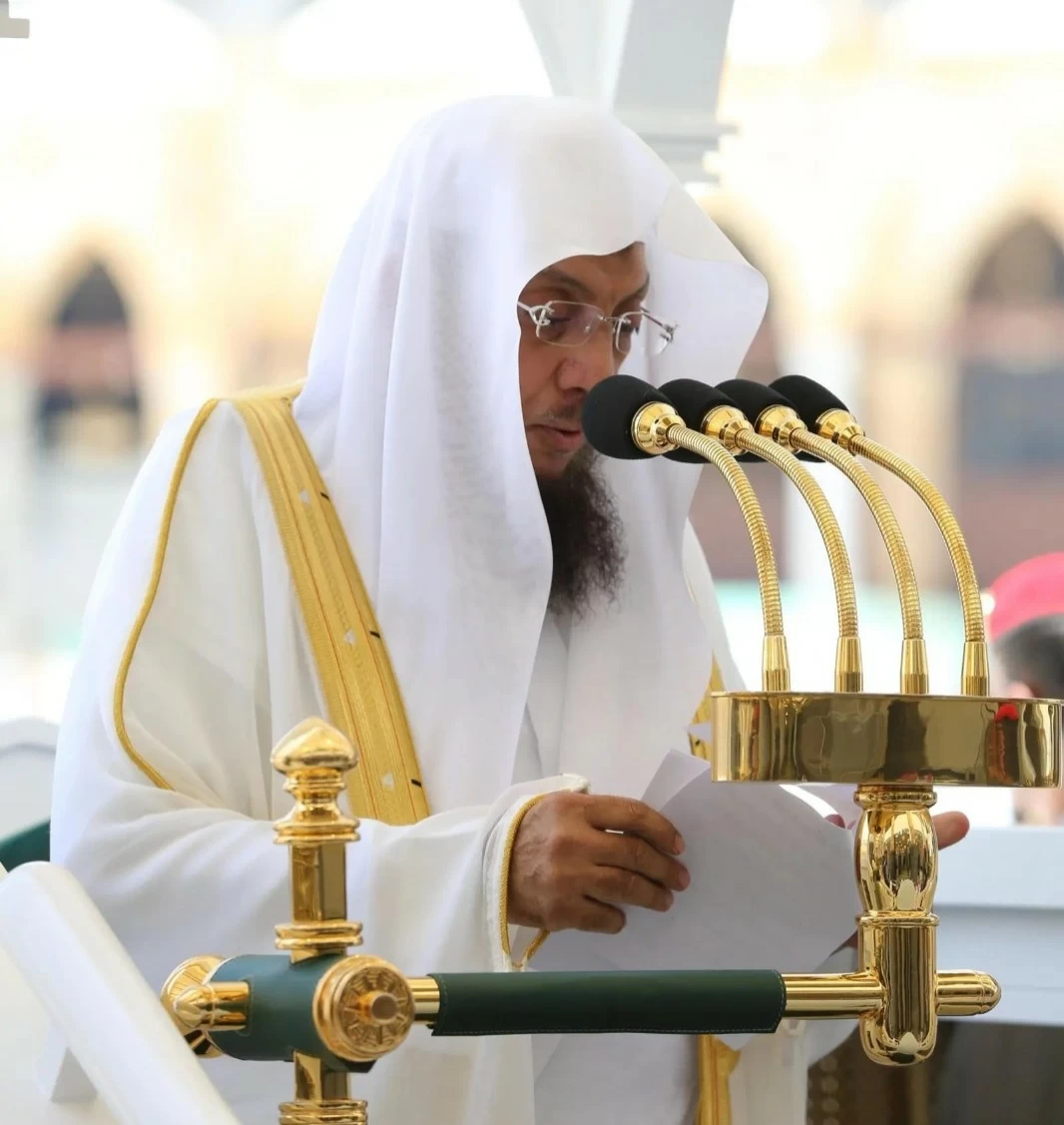
أوصى إمام وخطيب المسجد الحرام الشيخ الدكتور أسامة بن عبدالله خياط، المسلمين بتقوى الله وسلك سبيل كل تقيّ أواه، آخذ من دنياه لأُخراه، مبتغ مرضاة ربه ومولاه، مؤثر له على حظوظ نفسه وهواه.
وقال فضيلته في خطبته اليوم بالمسجد الحرام: في دروب الحياة ووسط لهوها ولغوها، وأمام منحها وخطوبها وشدائدها، يشعر المرء أنه في حاجة إلى من يسنده، ويشد عضده، ويقوّي عزمه، ويركن إلى عونه، ويطمئن إلى رعايته، وكلّما ارتقت مرتبة المعين والنصير، وسمت منزلته، واستبانت قوته وأمانته، كان ذلك أبلغ في تنزل السكينة، وحلول الطمأنينة، وبلوغ الأمان.
وأوضح فضيلته أن معيّة الله للمؤمنين خير عدة، وأفضل زادٍ يصحبهم في رحلة الحياة، ويؤنِسهم في سيرهم إلى الله والدار الآخرة.
وأشار فضيلته إلى أن القرآن الكريم يقصّ في هذا المعنى خبر المصطفى صلى الله عليه وسلم، مع قومه في حادث الهجرة الشريفة، وفيه من بيان آثار معية الله لأوليائه ما لا منتهى له، ولا حدّ يحدّه.
وأكد الشيخ أسامة خياط أنه متى ما كان الله مع العبد، هانت عليه المشاق، وانقلبت المخاوف في حقّه أمانًا، فبالله يهون كل صعب، ويسهل كل عسير، ويقرب كل بعيد، وبالله تزول الهموم والغموم والأحزان، فلا هم ولا غم ولا حزن مع الله.
واختتم فضيلته الخطبةَ قائلًا: إن معيّة الله لعباده ليست معيّة العلم والاطّلاع على العمل والنيات فحسب، ولكنها كذلك معيّة العون والحفظ والمدد، فإذا أحس المؤمن بأن الله معه، آمن بأنه موصول بقوة الله التي لا تغلب، ومعان بمدد الله الذي لا ينفد، فإذا هو قويٌ على نفسه، قويٌ على متاعبه، قويٌ على شهواته وأعدائه.
كما أوصى الشيخ الدكتور عبد الباري الثبيتي إمام وخطيب المسجد النبوي، المسلمين بتقوى الله تعالى، وطاعة المولى الكريم للفوز بالمغفرة والأجر العظيم، قال تعالى:(يَا أَيُّهَا الَّذِينَ آمَنُوا اتَّقُوا اللَّهَ وَقُولُوا قَوْلًا سَدِيدًا يُصْلِحْ لَكُمْ أَعْمَالَكُمْ وَيَغْفِرْ لَكُمْ ذُنُوبَكُمْ ۗ وَمَن يُطِعِ اللَّهَ وَرَسُولَهُ فَقَدْ فَازَ فَوْزًا عَظِيمًا).
وقال فضيلته: الإسلام دين اليسر، وشريعة الرحمة، ومنهج الوسطية والاعتدال، أباح الطيبات، وأعطى كل ذي حق حقه، فجعل للروح نصيبها، وللجسد نصيبه، وللجد نصيبه، وللراحة نصيبها، وللدنيا نصيبها، وللآخرة نصيبها، ومن هنا كان الترويح عن النفس أمراً مشروعاً، إذا كان في دائرة المباح، وأعان على طاعة الله، ولم يشغل عن واجب، ولم يفض إلى حرام، الترويح وسيلة يسترد بها المسلم نشاطه، ويقوي بها عزيمته، ويستأنف بها السير إلى ربه، وهذا من كمال هذه الشريعة ورحمتها؛ فإنها تعرف طبيعة الإنسان، وتراعي حاجاته، وتُنزل كل شيء منزلته، فلا تُكلف النفس ما لا تطيق، ولا تدعوها إلى الرهبانية، ولا تُطلق لها العنان في الشهوات، وإنما تُهذب رغباتها، وتُوجهها، وتربطها بمرضاة الله.
ومضى فضيلته قائلًا: «وقد وافقت الشريعة الفطرة التي فطر الله الناس عليها؛ فالنفوس تكل، والأبدان تضعف، والقلوب تفتر، والإنسان مهما بلغت همته، يحتاج إلى فسحة يسترد فيها نشاطه، ويجمع بها شتات نفسه، ويتهيأ بها لمواصلة طريقه إلى الله، ولهذا لفت القرآن أنظار المؤمنين إلى سبل الترويح النافع، الذي يوقظ القلب، ويغذي العقل، ويجدد الإيمان، فقال سبحانه: ﴿قُلْ سِيرُوا فِي الْأَرْضِ فَانظُرُوا﴾، فالسير في الأرض ليس انتقالًا بالأبدان فحسب، بل هو رحلة في آيات الله، وتأمل في بديع صنعه، واعتبار بأخبار الأمم، فيزداد القلب إيماناً، والعقل بصيرة، والنفس سكينة».
وبيّن فضيلته أن الله سبحانه أباح لعباده الزينة والطيبات، فقال: ﴿قُلْ مَنْ حَرَّمَ زِينَةَ اللَّهِ الَّتِي أَخْرَجَ لِعِبَادِهِ وَالطَّيِّبَاتِ مِنَ الرِّزْقِ﴾، فالفرح نعمة، والجمال نعمة، والطيبات نعمة، وكل نعمة تستوجب شكر المنعم، وتزداد بركة إذا استعملت في مرضاته، وجاءت السنة النبوية تؤكد هذا المعنى بأوضح بيان، فكان رسول الله ﷺ يمازح أصحابه، ولا يقول إلا حقاً، ويسابق أهله، ويقر اللهو المباح، ويأذن بما يدخل السرور على النفوس إذا خلا من الإثم، فالترويح في الإسلام لا يعني الهروب من المسؤوليات، ولا الانقطاع عن العبادة، ولا إهدار الوقت، وإنما هو انتقال من عمل إلى عمل، ومن نفع إلى نفع، حتى إذا استراح الجسد، لم يغفل القلب، وإذا فرحت النفس، بقيت معلقة بربها.
وأشار فضيلته إلى أن النعم لا تكمل إلا إذا استعملت فيما يرضي الله، ولهذا أحاطت الشريعة الترويح بآداب تحفظه، وضوابط تزكيه، فيبقى في دائرة الحلال، بعيداً عن كل محرم، ولا يصد عن صلاة، ولا يضيع حقاً، ولا يقطع رحماً، ولا يلهي عن واجب، ولا يفضي إلى معصية. ودعت إلى الاعتدال فيه؛ فما جاوز حده انقلب إلى ضده، ورُب مباح أفسده الإفراط، ورُب متعة أورثت صاحبها حسرة، ورُب ساعة لهو أورثت القلب غفلة، وأضاعت من العمر ما لا يعوض، مبيناً أن الترويح لا يعرف بصورته، وإنما يعرف بأثره، فإذا عاد الإنسان من راحته أكثر طمأنينة، وأشرح صدراً، وأقوى عزيمة، وأحسن خلقاً، وأقبل على طاعة ربه، فقد وفّق إلى الترويح النافع، أما إذا أورثه كسلاً، أو فتوراً، أو غفلة، أو ضياعاً للأوقات، فقد أخطأ الطريق، وإن ظن أنه يستمتع.
وختم إمام وخطيب المسجد النبوي فضيلة الشيخ الدكتور عبدالباري الثبيتي، مشيراً إلى أن من أعظم ما ابتلي به الناس في هذا الزمان، أن مفهوم الترويح اختزل عند كثير منهم في الشاشات، فأصبحت الإجازات تمضي بين المقاطع القصيرة، ووسائل التواصل، حتى تنقضي الأيام، ولا يبقى منها إلا تشتت الذهن، وفراغ القلب، وضعف الصلة بالأسرة، وقلة الأنس بكتاب الله، إنها متعة عابرة، وأثرها قصير، وثمنها كبير، داعياً إلى الترويح الذي جاءت به الشريعة وهو ما جمع بين المتعة والمنفعة، وبين راحة الجسد، وغذاء القلب، ونور العقل.
The Imam and preacher of the Grand Mosque, Sheikh Dr. Osama bin Abdullah Al-Khayyat, advised Muslims to fear Allah and follow the path of every pious person who turns to Him, taking from this world for the Hereafter, seeking the pleasure of his Lord and Master, prioritizing Him over his own desires and whims.
He stated in his sermon today at the Grand Mosque: In the paths of life, amidst its distractions and trivialities, and in the face of its gifts, calamities, and hardships, a person feels the need for someone to support him, strengthen his resolve, rely on his help, and feel reassured by his care. The higher the rank of the supporter and helper, and the more evident his strength and trustworthiness, the more profound the tranquility that descends, the more peace that settles, and the closer one gets to safety.
He clarified that the companionship of Allah for the believers is the best provision and the finest sustenance that accompanies them on their journey through life, comforting them as they move towards Allah and the Hereafter.
He pointed out that the Holy Quran narrates in this context the story of the Prophet Muhammad (peace be upon him) with his people during the blessed migration, illustrating the effects of Allah's companionship for His allies, which are limitless and beyond measure.
Sheikh Osama Al-Khayyat affirmed that whenever Allah is with a servant, hardships become easy for him, and fears turn into safety. With Allah, every difficulty becomes manageable, every hardship becomes easy, and every distance becomes close. With Allah, worries, sorrows, and sadness vanish; there is no worry, sorrow, or sadness with Allah.
He concluded his sermon by saying: The companionship of Allah for His servants is not merely knowledge and awareness of actions and intentions, but it is also companionship of support, protection, and assistance. When a believer feels that Allah is with him, he believes that he is connected to the invincible power of Allah, and supported by the inexhaustible help of Allah. Thus, he becomes strong against himself, strong against his troubles, and strong against his desires and enemies.
Sheikh Dr. Abdul Bari Al-Thubaiti, Imam and preacher of the Prophet's Mosque, also advised Muslims to fear Allah Almighty and obey the gracious Lord to attain forgiveness and great reward. Allah says: (O you who have believed, fear Allah and speak words of appropriate justice. He will make [your] deeds sound and will forgive you your sins. And whoever obeys Allah and His Messenger has certainly attained a great attainment).
He stated: Islam is a religion of ease, a law of mercy, and a path of moderation and balance. It permits what is good and gives everyone their due rights, allocating a share for the soul, a share for the body, a share for work, a share for rest, a share for this world, and a share for the Hereafter. Hence, entertaining oneself is a permissible matter, as long as it is within the bounds of what is allowed, aids in obedience to Allah, does not distract from duties, and does not lead to what is forbidden. Entertainment is a means by which a Muslim restores his energy, strengthens his resolve, and resumes his journey to his Lord. This reflects the perfection and mercy of this law; it recognizes human nature, considers their needs, and places everything in its rightful place, neither overburdening the soul beyond its capacity, nor calling it to monasticism, nor allowing it to indulge in desires, but rather refining its desires, guiding them, and tying them to the pleasure of Allah.
He continued: "The law is in harmony with the innate nature that Allah has created people upon; for souls tire, bodies weaken, and hearts become weary. No matter how high one's ambition, a person needs a break to restore their energy, gather their scattered self, and prepare for the continuation of their path to Allah. For this reason, the Quran draws the attention of believers to beneficial forms of entertainment that awaken the heart, nourish the mind, and renew faith. Allah says: ﴿Say, 'Travel through the land and observe.'﴾ Thus, traveling through the land is not merely a physical movement, but a journey through the signs of Allah, reflecting on His wondrous creation, and learning from the stories of nations, which increases the heart's faith, the mind's insight, and the soul's tranquility."
He explained that Allah has permitted His servants to enjoy beauty and good things, saying: ﴿Say, 'Who has forbidden the adornment of Allah which He has produced for His servants and the good, pure things?'﴾ Joy is a blessing, beauty is a blessing, and good things are a blessing. Every blessing requires gratitude to the Bestower, and it increases in blessing when used in His pleasure. The prophetic tradition confirms this meaning in the clearest terms; the Messenger of Allah (peace be upon him) would joke with his companions, never speaking except the truth, racing with his family, approving permissible entertainment, and permitting what brings joy to the hearts as long as it is free from sin. Thus, entertainment in Islam does not mean escaping responsibilities, nor abandoning worship, nor wasting time; rather, it is a transition from one beneficial action to another, so that when the body rests, the heart does not become negligent, and when the soul rejoices, it remains connected to its Lord.
He pointed out that blessings are not complete unless used in what pleases Allah. Therefore, the law surrounds entertainment with etiquettes that preserve it and guidelines that purify it, keeping it within the realm of what is lawful, far from all that is forbidden, not distracting from prayer, not neglecting rights, not severing family ties, not distracting from duties, and not leading to disobedience. It also calls for moderation in it; for exceeding its limits turns it into its opposite, and many permissible things can be corrupted by excess, while some pleasures can lead their owner to regret, and some moments of amusement can cause the heart to become heedless, wasting time that cannot be compensated. He clarified that entertainment is not defined by its form, but by its effects. If a person returns from their leisure feeling more tranquil, with a wider chest, stronger resolve, better character, and more inclined to obey their Lord, then they have succeeded in beneficial entertainment. However, if it leads to laziness, lethargy, heedlessness, or wasted time, then they have strayed from the right path, even if they think they are enjoying themselves.
Sheikh Dr. Abdul Bari Al-Thubaiti, Imam and preacher of the Prophet's Mosque, concluded by pointing out that one of the greatest trials people face in this time is that the concept of entertainment has been reduced by many to screens, where vacations are spent between short clips and social media, until days pass, leaving only a scattered mind, an empty heart, weakened family ties, and little connection with the Book of Allah. It is a fleeting pleasure, with a short-lived effect, and a high cost. He called for the kind of entertainment that the law promotes, which combines enjoyment and benefit, along with the rest of the body, nourishment for the heart, and enlightenment for the mind.