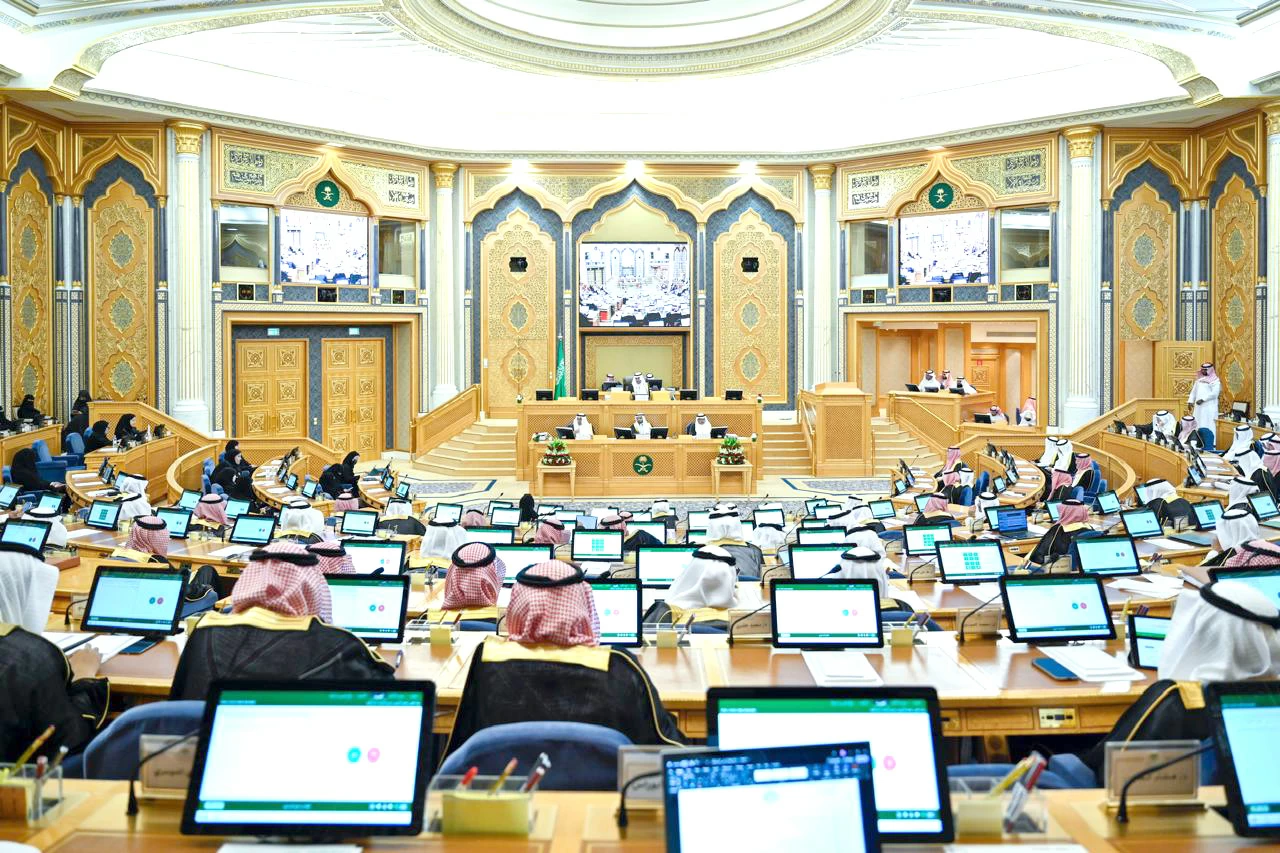
طالب مجلس الشورى؛ هيئة التأمين بتعزيز منظومة التأمين الإلزامي، وتوسيع تطبيقها في الأنشطة والقطاعات عالية المخاطر؛ بما يرفع كفاءة إدارة المخاطر، ويحد من الآثار المالية والاقتصادية المترتبة عليها.
ودعا المجلس في جلسته العادية الأربعين من أعمال السنة الثانية للدورة التاسعة المنعقدة برئاسة نائب رئيس المجلس الدكتور مشعل بن فهم السُّلمي، الهيئة إلى دراسة تطوير الإطار التنظيمي لتسعير التأمين الصحي، وتأمين المركبات وربطه ببيانات المطالبات والمخاطر وسلوك الاستخدام؛ بما يعزز عدالة الأسعار واستدامة القطاع، والإسراع في وضع آلية للانتقال التدريجي من التعويض النقدي في مطالبات المركبات إلى الإصلاح المرتبط بالجودة؛ بما يحد من تضخم المطالبات ويرفع كفاءة السوق.
وطالب المجلس الهيئة العامة للنقل بتطوير نموذج تشغيلي متكامل للنقل متعدد الوسائط؛ بما يعزّز التكامل الرقمي والتشغيلي بين الحافلات والمترو والقطارات والنقل التشاركي، وتعزيز الاستفادة من البيانات الضخمة وتقنيات الذكاء الاصطناعي؛ للتنبؤ بالازدحام والحركة في المدن الكبرى.
ودعا هيئة الإذاعة والتلفزيون بتحويل الوثائق المعتمدة من الأرشيف البصري للتاريخ السعودي إلى أفلام وثائقية وفق مواصفات عالمية، وطالب المؤسسة العامة للتدريب التقني والمهني بـتطوير نموذج عمل تكاملي يضمن عدم تداخل التخصصات، ويعزّز مواءمة المخرجات مع احتياجات سوق العمل.
و طالب المجلس وزارة البيئة والمياه والزراعة بقياس أثر سياساتها وبرامجها الزراعية على مستوى معيشة المزارعين ورفاههم، وتوطين صناعة البذور المحلية للمحاصيل الإستراتيجية. ودعا الوزارة من خلال شركة المياه الوطنية إلى رفع نسب تغطية خدمات الصرف الصحي بالمدن الساحلية الواقعة غرب المملكة؛ للحد من الآثار السلبية على البنية التحتية، ورفع قيمة مؤشر رضا عملاء شركة المياه الوطنية عن الخدمات المقدمة لهم.
وناقش المجلس التقرير السنوي لوزارة التعليم، و التقرير السنوي للهيئة العامة للغذاء والدواء، والتقرير السنوي للمعهد الوطني لأبحاث الصحة، والتقرير السنوي لأكاديمية مهد الرياضة، والتقرير السنوي لمؤسسة حديقة الأمير محمد بن سلمان، والتقرير السنوي للهيئة السعودية للمدن الصناعية ومناطق التقنية، والتقرير السنوي لوزارة الاقتصاد والتخطيط.
بيئة العمل.. تفتح السجال مع «التعليم»
فتح عدد من أعضاء مجلس الشورى؛ باب السجال مع وزارة التعليم، حول عدد من الملاحظات المُستقاة من تقرير الوزارة عن عام مضى، منها بيئة العمل، والفصول، ونظام حضوري، والتقاعد المبكر، وطالبت عضو المجلس الدكتورة أمل الهزاني في مداخلتها، بالسماح للأمهات بالدخول إلى منصة (نور) شأن الآباء؛ وعدم قصر التمكين على الأب، كونه يتعارض بشكل صريح مع التشريعات التي وضعتها الدولة لتمكين المرأة من رعاية أسرتها على حد سواء مع الأب. وعدّت من المفارقات أن الأم المطلقة الحاضنة يُسمح لها بدخول المنصة، تأكيداً على دورها الرئيسي في المتابعة والإشراف على أوضاع أبنائها التعليمية، ولفتت إلى أن نظام ( نور) تتكرر فيه الأعطال التقنية، خلال فترة إعلان نتائج الاختبارات، ما يربك الأسرة ويجعلها في حالة ترقب كما حصل قبل أيام، ما يحتّم تحسين أداء المنصة.
ورأت الهزاني في دمج الفصول الدراسية؛ تكديساً لعدد كبير من الطلبة في بعض المدارس في فصول دراسية لا تتسع للعدد المُضاف، حد استيعاب 45 طالباً في قاعة دراسية سعتها 30 طالباً. ولا يستطيع الطالب أن يرى ما يُكتب على السبورة، ولا يوفر الوضع بيئة لاستيعاب شرح المعلم ولا صحية.
وذهبت إلى أن قرار وزارة التعليم، بدمج ذوي الإعاقة في الفصول الاعتيادية تحتاج مزيداً من المتابعة والإشراف والتدقيق. إذ إن بعض حالات الدمج لطلبة من ذوي الإعاقة العقلية، ما يعني أنه دمج شكلي، لا يحقق مصلحة للطالب ولا لزملائه في الفصل الواحد، كون الطالب لا يستوعب شرح الدروس ولا يستطيع التواصل، بل يحتاج إلى تعليم خاص يخرج منه بفائدة التعلم والتواصل. وطالبت بمراجعة هذا الموضوع مع الوزارة.
وعدت نظام المناوبة، المعمول به منذ عقود في مدارس البنات، بدون سند نظامي. وأضافت: وقت عودة المعلمات، تضطر المعلمات والموظفات الإداريات للاستعانة بعاملات منازلهن لتنظيف المكاتب ومقرات وغرف الاستراحة، وصيانة أجهزة التكييف أو شرائها في حال تعطلت على نفقة المعلمة.
وأكدت أن المدرسة بكل فصولها الدراسية ومرافقها سواءً المختبر أو المكتبة، تكون في حالة غير مهيأة للاستخدام ما لم يتم الاستعانة بعاملة من خارج المدرسة، وطالبت بمراجعة الوزارة بشأن تعاقد كل إدارة تعليم منطقة مع شركة للصيانة والتنظيف لمتابعة مدارس المنطقة.
فيما طالبت عضو المجلس الدكتورة عائشة عريشي وزارة التعليم بدراسة أسباب التقاعد المبكر للمعلمين والمعلمات والعمل على معالجتها، والوقوف على الأسباب بدءاً من بيئة العمل أو التسارع في تغيير إستراتيجيات التعليم، أو عدم القدرة على مقاومة التغيير في بيئة العمل من الطرق التقليدية المألوفة إلى إستراتيجيات حديثة تتطلب جهداً بدنياً وذهنياً في التخطيط الدقيق، ما يزيد مستويات الإرهاق الوظيفي وضغوط العمل، والنظر إلى نظام حضوري الذي يلزم المعلمين بالبقاء في محيط المدرسة بما لا يقل عن 7 ساعات بغض النظر عن جدول الحصص المدرسي، ما يحدث فجوة بين انصراف الطلاب والمعلمين، خصوصاً في الصفوف الدنيا، مما يتطلب مرونة في تطبيق النظام، ودعت إلى تحسين بيئة عمل المعلمين والمعلمات، كونه يمثل استثماراً مباشراً في رفع كفاءة وجودة مخرجات التعليم، وضمان خفض نسب طلبات التقاعد المبكر.
The Shura Council urged the Insurance Authority to enhance the mandatory insurance system and expand its application in high-risk activities and sectors; in order to improve risk management efficiency and mitigate the financial and economic impacts associated with it.
The Council, during its fortieth ordinary session of the second year of the ninth term, chaired by the Deputy Chairman Dr. Mishal bin Fahm Al-Sulami, called on the Authority to study the development of a regulatory framework for pricing health insurance and vehicle insurance, linking it to claims data, risks, and usage behavior; to enhance price fairness and sustainability in the sector, and to expedite the establishment of a mechanism for the gradual transition from cash compensation in vehicle claims to quality-related repairs; to reduce claims inflation and improve market efficiency.
The Council also requested the Public Transport Authority to develop a comprehensive operational model for multimodal transport; to enhance digital and operational integration between buses, metro, trains, and ride-sharing, and to maximize the use of big data and artificial intelligence technologies; to predict congestion and movement in major cities.
It called on the Broadcasting and Television Authority to convert approved documents from the visual archive of Saudi history into documentaries according to global specifications, and urged the Technical and Vocational Training Corporation to develop an integrated work model that ensures no overlap of specializations, and enhances the alignment of outputs with labor market needs.
The Council requested the Ministry of Environment, Water, and Agriculture to measure the impact of its policies and agricultural programs on the living standards and welfare of farmers, and to localize the production of domestic seeds for strategic crops. It also called on the ministry, through the National Water Company, to increase the coverage rates of sewage services in coastal cities located in the west of the Kingdom; to mitigate negative impacts on infrastructure and enhance the customer satisfaction index for the services provided by the National Water Company.
The Council discussed the annual report of the Ministry of Education, the annual report of the Food and Drug Authority, the annual report of the National Institute for Health Research, the annual report of the Prince Mohammed bin Salman Sports Academy, the annual report of the Prince Mohammed bin Salman Park Foundation, the annual report of the Saudi Authority for Industrial Cities and Technology Zones, and the annual report of the Ministry of Economy and Planning.
Work Environment.. Opening the Debate with "Education"
A number of Shura Council members opened a debate with the Ministry of Education regarding several observations drawn from the ministry's report on the past year, including the work environment, classrooms, attendance system, and early retirement. Council member Dr. Amal Al-Hazani, in her intervention, called for allowing mothers to access the (Noor) platform just like fathers; and not limiting empowerment to the father, as it contradicts the legislation established by the state to empower women to care for their families equally with the father. She noted the contradiction that a divorced mother with custody is allowed to access the platform, emphasizing her primary role in monitoring and supervising her children's educational situations, and pointed out that the (Noor) system frequently experiences technical malfunctions during the announcement of exam results, which confuses families and keeps them in a state of anticipation, as happened a few days ago, necessitating improvements to the platform's performance.
Al-Hazani viewed the merging of classrooms as an overcrowding of a large number of students in some schools in classrooms that cannot accommodate the added number, with up to 45 students in a classroom designed for 30. Students cannot see what is written on the board, and the situation does not provide an environment conducive to understanding the teacher's explanation or a healthy one.
She argued that the Ministry of Education's decision to integrate students with disabilities into regular classrooms requires more follow-up, supervision, and scrutiny. Some cases of integration involve students with intellectual disabilities, which means that the integration is merely formal and does not serve the interests of the student or their classmates in the same classroom, as the student cannot comprehend the lesson explanations or communicate, but needs special education that benefits their learning and communication. She called for a review of this issue with the ministry.
She described the shift system, which has been in place for decades in girls' schools, as lacking a legal basis. She added that during the return of female teachers, they are forced to rely on domestic workers to clean offices, lounges, and to maintain or purchase air conditioning units if they break down at the teacher's expense.
She confirmed that the school, with all its classrooms and facilities, whether the laboratory or library, is not prepared for use unless an external worker is employed, and called for the ministry to review the contracts of each education administration in the region with a company for maintenance and cleaning to oversee the schools in the area.
Meanwhile, Council member Dr. Aisha Arishi urged the Ministry of Education to study the reasons for early retirement among teachers and work on addressing them, examining the causes starting from the work environment, the rapid changes in educational strategies, or the inability to adapt to changes in the work environment from familiar traditional methods to modern strategies that require physical and mental effort in precise planning, which increases levels of job burnout and work pressure, and to consider the attendance system that requires teachers to remain within the school environment for at least 7 hours regardless of the school schedule, creating a gap between the departure of students and teachers, especially in lower grades, which necessitates flexibility in applying the system. She called for improving the work environment for teachers, as it represents a direct investment in raising the efficiency and quality of educational outputs, ensuring a reduction in early retirement requests.