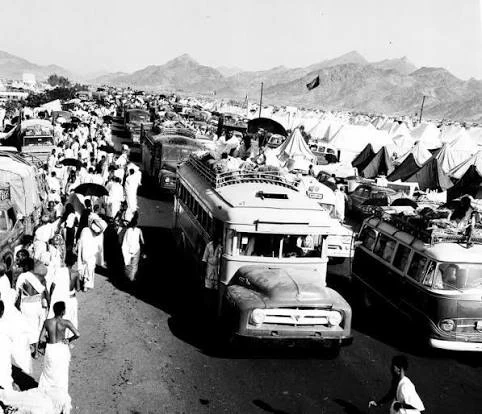
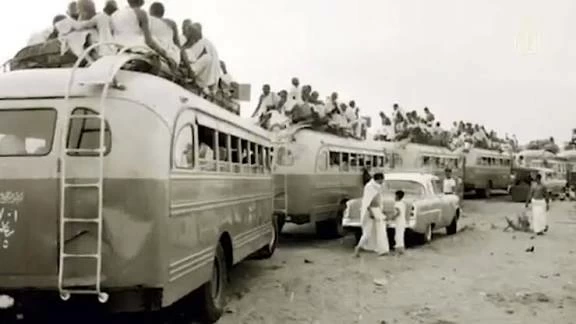
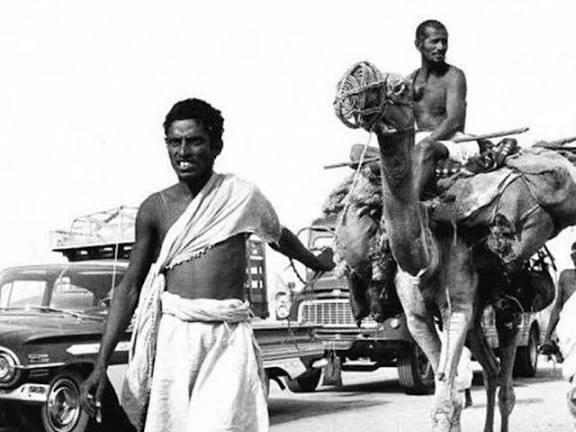
كانت رحلة الحج قديماً شاقة قد لا يعود منها الحاج، إذ يحرص الحجاج على وداع أحبابهم وأصحابهم، فهم مقدمون على مخاطر الجوع والعطش، ينتقلون بين الجبال والصحراء للوصول إلى المشاعر المقدسة عبر الدواب أو سيراً على الأقدام لشهور طويلة قبل الوصول.
وكانت تلك الرحلة للحاج قد تكلفه حياته فلا يعود منها، تصادفه الشدائد متحملاً وعورة الطريق ونُدرة المياه وتقلبات الطبيعة وقطّاع الطرق، ليعقب تلك الفترة الحج فوق أسطح شاحنات (الهينو)، إذ استخدمها كثير من الحجاج دون مأكل أو مشرب، فكل حاج عليه أن يحضر زاده معه وأن يتحمل كل المشقة التي يواجهها من كوارث طبيعية وسيول جارفة.
ورغم أهمية تلك الوسائل في زمانها، فإن رحلة الحج كانت تستغرق أحياناً عدة أشهر، وسط تحديات شاقة تمثلت في وعورة الطرق، وتقلبات الطقس، وندرة المياه في بعض المسارات، الأمر الذي جعل أداء الفريضة يتطلب صبراً وجهداً كبيرين.
من الإبل إلى الوسائل الحديثة
وشهدت وسائل النقل في الحج تحولات جذرية عبر العقود، فتحول النقل التقليدي البسيط إلى منظومة رقمية حديثة ترافقها الجهود الأمنية والتنظيمية التي رافقت هذا التطور، فرحلة الحج إلى الأماكن المقدسة التي تستغرق شهوراً على ظهور الإبل أصبحت تستغرق سويعات من أقصى بقاع الأرض إلى بيت الله الحرام، وانتقلت من الوسائل التقليدية البسيطة إلى مشاريع عملاقة تعتمد على الذكاء الاصطناعي والتقنيات المتقدمة، التي عكست التطور الذي تعيشه المملكة من بنى تحتية ورؤية شاملة وواضحة لخدمة الدين والمواطن والمقيم وضيوف الرحمن من معتمرين وحجاج.
من البر إلى البحر
مراحل تطور وسائل النقل في الحج شهدت تحولاً مهماً مع دخول النقل البحري، إذ أصبحت السفن التقليدية والبخارية تنقل الحجاج القادمين من دول آسيا وأفريقيا عبر البحر الأحمر إلى ميناء جدة الإسلامي، الذي شكّل لعقود طويلة البوابة الرئيسية لعبور ملايين الحجاج إلى مكة المكرمة، قبل أن تتطور خدمات الموانئ والبنية المرتبطة بها في سبيل راحة الحجاج ودعم تنقلاتهم.
ومع تطور وسائل النقل، بدأت المركبات الحديثة والحافلات تدخل إلى منظومة الحج، وأسهم إنشاء الطرق السريعة في المملكة العربية السعودية في تسريع حركة التنقل بين مكة المكرمة والمشاعر المقدسة والمنافذ البرية والمطارات، ما اختصر زمن الرحلات، ورفع مستويات السلامة والراحة للحجاج، وحقق رفاهيتهم في التنقل نحو المشاعر المقدسة.
الطيران يدخل الخط
وكان التحول الجذري في دخول الطيران المدني في نقل الحجاج، حيث أصبحت الطائرات الوسيلة الأبرز لوصول ملايين الحجاج سنوياً من مختلف قارات العالم إلى المملكة في رحلات تستغرق ساعات قليلة بدلاً من أسابيع أو أشهر.
وأصبحت المطارات السعودية تستقبل الحجاج عبر منظومة تشغيلية متقدمة تشمل صالات مخصصة للحجاج، وتقنيات حديثة لتسهيل إجراءات الوصول والمغادرة، بما يضمن انسيابية الحركة منذ لحظة وصول الحاج إلى المملكة وحتى انتقاله إلى المشاعر المقدسة.
ولم تتوقف عجلة التطور في خدمة الحرمين الشريفين وحجاج بيت الله، فطورت المملكة منظومة نقل متكاملة داخل مكة المكرمة والمشاعر المقدسة، تعتمد على أحدث التقنيات لإدارة حركة الحشود بكفاءة عالية، ومن أبرزها مشروع قطار المشاعر المقدسة وقطار الحرمين، اللذين يعدان من أهم المشاريع النوعية في إدارة النقل خلال موسم الحج.
ويعمل قطار المشاعر المقدسة وفق منظومة تشغيلية ذكية تربط بين مشاعر منى وعرفات ومزدلفة عبر مسارات مخصصة، تسهم في نقل أعداد كبيرة من الحجاج بانسيابية عالية، والحد من الازدحام المروري خلال أوقات الذروة، بما يعزز مستويات السلامة والتنظيم.
ويمثل قطار الحرمين السريع نقلة نوعية في خدمات النقل المرتبطة بالحج والعمرة، إذ يربط بين مكة المكرمة والمدينة المنورة مروراً بجدة ومدينة الملك عبدالله الاقتصادية، ويوفر وسيلة نقل سريعة وآمنة وصديقة للبيئة، تختصر زمن الرحلة بين مكة والمدينة إلى نحو ساعتين.
«الشهراني» وحوض «الهينو»
يتذكر كبار السن تلك الرحلة الشاقة وهم يمسحون أعينهم وكأن حبات الغبار لا تزال عالقة بها، فيقول سعود الشهراني: «حججت مع والدي قبل 45 عاماً، وكنت في الـ16 من عمري، وكان الوصول لمكة المكرمة صعباً، خصوصاً انتقالنا من جنوبي المملكة نحو المشاعر المقدسة».
ويضيف الشهراني: «كانت وسيلة وصولنا لمكة على متن شاحنة من نوع (الهينو)، بها حوض خلفي عليه سواتر، وكنا نتزود بالأكل والماء، وأتذكر واجهتنا مصاعب في أحد الأودية بسبب ارتفاع منسوب المياه فيه لثلاثة أيام، ولم نستطع عبوره آنذاك حتى انخفض المنسوب وواصلنا رحلتنا نحو مكة».
ويروي أحمد السلمي الصعوبات التي كانت تصادف الحجاج قديماً على متن وسائل النقل مثل ضربات الشمس، والغبار، والمطر، والبرودة، واليوم يصل الحاج للمشاعر عبر استخدام قطار الحرمين والطائرات في ساعات.
The pilgrimage journey in the past was arduous, and pilgrims often did not return from it, as they were keen to bid farewell to their loved ones and friends. They faced the dangers of hunger and thirst, moving between mountains and deserts to reach the holy sites, either on animals or on foot for many long months before arriving.
This journey could cost the pilgrim their life, as they encountered hardships, enduring rough roads, water scarcity, natural fluctuations, and bandits. Following this period, pilgrims would travel on the roofs of (Hino) trucks, which many pilgrims used without food or drink, as each pilgrim had to bring their provisions and endure all the hardships they faced from natural disasters and flooding.
Despite the importance of these means at the time, the pilgrimage journey sometimes took several months, amidst challenging obstacles represented by rough roads, weather fluctuations, and water scarcity on some routes, making the performance of this duty require great patience and effort.
From camels to modern means
Transportation methods for the pilgrimage have undergone radical transformations over the decades, as traditional simple transportation evolved into a modern digital system accompanied by security and organizational efforts that accompanied this development. The pilgrimage journey to the holy places, which used to take months on camelback, now takes just hours from the farthest corners of the earth to the Sacred House of God. It has transitioned from simple traditional means to giant projects relying on artificial intelligence and advanced technologies, reflecting the development that the Kingdom is experiencing in infrastructure and a comprehensive and clear vision to serve the religion, citizens, residents, and guests of God from Umrah performers and pilgrims.
From land to sea
The stages of transportation development in the pilgrimage witnessed an important transformation with the introduction of maritime transport, as traditional and steam ships began to transport pilgrims coming from Asian and African countries across the Red Sea to the Islamic Port of Jeddah, which has long served as the main gateway for millions of pilgrims to Mecca. This was before the development of port services and the infrastructure associated with them to facilitate the comfort of pilgrims and support their movements.
With the evolution of transportation means, modern vehicles and buses began to enter the pilgrimage system, and the establishment of highways in the Kingdom of Saudi Arabia accelerated the movement between Mecca and the holy sites, land ports, and airports, shortening travel times and enhancing safety and comfort levels for pilgrims, achieving their convenience in moving towards the holy sites.
Aviation enters the scene
The radical transformation came with the entry of civil aviation in transporting pilgrims, as airplanes became the most prominent means for millions of pilgrims to reach the Kingdom annually from various continents in just a few hours instead of weeks or months.
Saudi airports now receive pilgrims through an advanced operational system that includes dedicated lounges for pilgrims and modern technologies to facilitate arrival and departure procedures, ensuring smooth movement from the moment the pilgrim arrives in the Kingdom until they move to the holy sites.
The wheel of development in serving the Two Holy Mosques and the pilgrims of the House of God has not stopped. The Kingdom has developed a comprehensive transportation system within Mecca and the holy sites, relying on the latest technologies to manage crowd movements efficiently, with notable projects such as the Mashair Train and the Haramain Train, which are among the most important qualitative projects in managing transportation during the Hajj season.
The Mashair Train operates according to a smart operational system connecting the sites of Mina, Arafat, and Muzdalifah via dedicated tracks, contributing to the smooth transport of large numbers of pilgrims and reducing traffic congestion during peak times, enhancing safety and organization levels.
The Haramain High-Speed Train represents a qualitative leap in transportation services related to Hajj and Umrah, as it connects Mecca and Medina, passing through Jeddah and King Abdullah Economic City, providing a fast, safe, and environmentally friendly means of transport that shortens the travel time between Mecca and Medina to about two hours.
“Al-Shahrani” and the “Hino” truck
Older individuals remember that arduous journey as they wipe their eyes, as if grains of dust are still stuck in them. Saud Al-Shahrani says: “I performed Hajj with my father 45 years ago when I was 16 years old, and reaching Mecca was difficult, especially our journey from the southern part of the Kingdom to the holy sites.”
Al-Shahrani adds: “Our means of reaching Mecca was aboard a (Hino) truck with a rear bed covered with tarpaulins. We stocked up on food and water, and I remember we faced difficulties in one of the valleys due to the high water level for three days, and we could not cross it until the level dropped, and we continued our journey to Mecca.”
Ahmed Al-Sulami recounts the difficulties that pilgrims faced in the past on transportation means, such as sunstroke, dust, rain, and cold. Today, pilgrims reach the holy sites using the Haramain Train and airplanes in just hours.