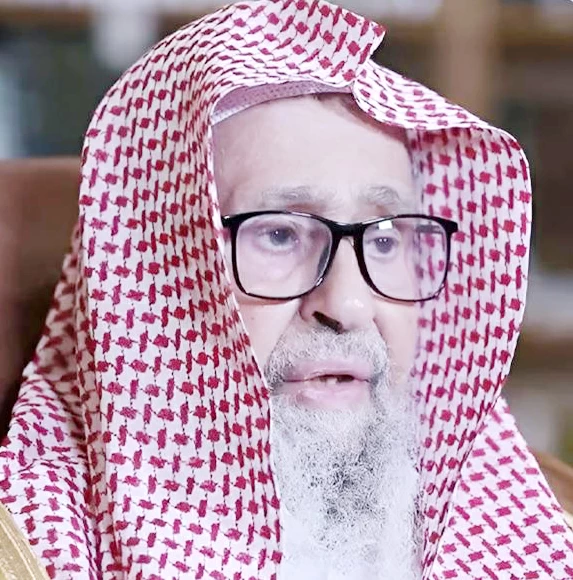
أوصى المفتي العام للمملكة، رئيس هيئة كبار العلماء والرئيس العام للبحوث العلمية والإفتاء، الشيخ الدكتور صالح فوزان الفوزان، عموم المسلمين بالاجتهاد في الأعمال الصالحة خلال أيام العشر من ذي الحجة، لما فيها من فضل عظيم ومضاعفة للأجر.
وأوضح، في كلمة توجيهية بمناسبة دخول العشر، أن الأحاديث النبوية دلت على أن العمل الصالح في هذه الأيام أحب إلى الله من العمل في غيرها، مستشهدًا بحديث ابن عباس رضي الله عنهما، أن النبي صلى الله عليه وسلم قال: «ما من أيام العمل الصالح فيها أحب إلى الله من هذه الأيام»، مبينًا أن المسلم ينبغي له الإكثار من الطاعات مع الحرص على أداء الفرائض واجتناب المعاصي، فهذه الأيام موسم عظيم امتنّ الله به على عباده، وقد قال تعالى: ﴿ويذكروا اسم الله في أيام معلومات﴾، والمقصود بها أيام العشر عند جمهور العلماء.
وأشار إلى أهمية التزوّد بالنوافل من صلاة وصدقة وصيام، ولا سيما الإكثار من ذكر الله تعالى، امتثالًا لقول النبي صلى الله عليه وسلم: «فأكثروا فيهن من التهليل والتحميد والتكبير». كما حثّ على صيام يوم عرفة لغير الحاج، لما ورد في فضل صيامه من تكفير ذنوب السنة الماضية والباقية.
وأضاف، أن من أراد أن يضحي فعليه الإمساك عن أخذ شيء من شعره أو أظفاره أو بشرته منذ رؤية هلال ذي الحجة حتى يذبح أضحيته، مستشهدًا بحديث أم سلمة رضي الله عنها: «إذا رأيتم هلال ذي الحجة وأراد أحدكم أن يضحي فلا يمس من شعره وبشرته شيئًا». وأكد فضل الأضحية، إذ ضحى النبي صلى الله عليه وسلم بكبشين أملحين أقرنين.
وفي ختام كلمته، سأل المفتي الله تعالى أن يوفق الجميع لطاعته ومرضاته، وأن يحفظ بلادنا وولاة أمرنا وجميع المسلمين.
The Grand Mufti of the Kingdom, Chairman of the Council of Senior Scholars and the General President of Scientific Research and Ifta, Sheikh Dr. Saleh Fawzan Al-Fawzan, advised all Muslims to strive in good deeds during the first ten days of Dhul-Hijjah, due to their great virtue and the multiplication of rewards.
He explained, in a guiding speech on the occasion of the arrival of the ten days, that the prophetic hadiths indicate that good deeds during these days are more beloved to Allah than deeds done at other times, citing the hadith of Ibn Abbas, may Allah be pleased with them, that the Prophet, peace be upon him, said: "There are no days in which good deeds are more beloved to Allah than these days," clarifying that a Muslim should increase acts of worship while being keen on fulfilling obligatory duties and avoiding sins, as these days are a great season that Allah has blessed His servants with. Allah, the Exalted, said: ﴿And mention the name of Allah during the appointed days﴾, referring to the ten days according to the majority of scholars.
He pointed out the importance of engaging in voluntary prayers, charity, and fasting, especially increasing the remembrance of Allah, in compliance with the saying of the Prophet, peace be upon him: "So increase in them your saying of 'Tahlil' (saying 'La ilaha illallah'), 'Tahmid' (saying 'Alhamdulillah'), and 'Takbir' (saying 'Allahu Akbar')." He also encouraged fasting on the Day of Arafah for those who are not performing Hajj, due to the merits of fasting on that day, which expiates the sins of the past and the coming year.
He added that anyone who wishes to offer a sacrifice should refrain from cutting any of their hair, nails, or skin from the sighting of the crescent of Dhul-Hijjah until they slaughter their sacrifice, citing the hadith of Umm Salamah, may Allah be pleased with her: "When you see the crescent of Dhul-Hijjah and one of you intends to offer a sacrifice, let him not touch anything of his hair or skin." He emphasized the virtue of the sacrifice, as the Prophet, peace be upon him, sacrificed two horned rams that were fat and beautiful.
In conclusion of his speech, the Mufti asked Allah, the Exalted, to grant everyone success in His obedience and pleasure, and to protect our country, our leaders, and all Muslims.