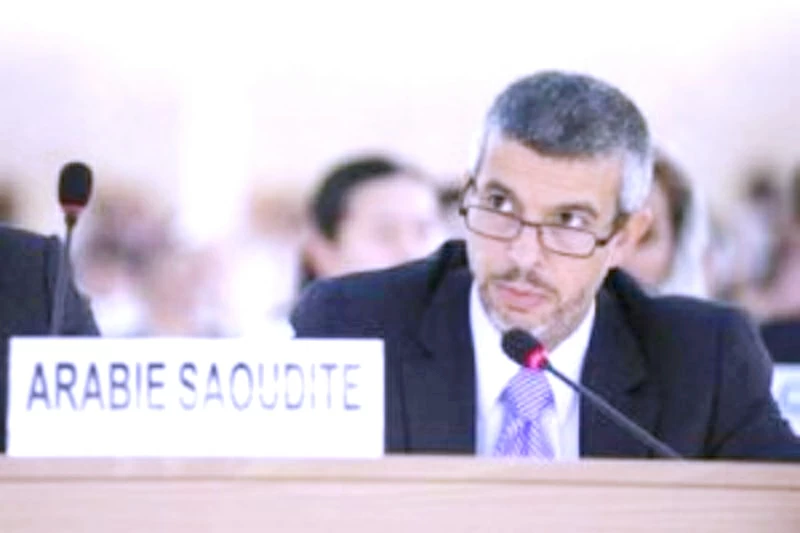
أكدت المملكة العربية السعودية، التزامها الراسخ بدعم استقرار أسواق الطاقة العالمية وضمان استمرارية تدفق الإمدادات بكفاءة وموثوقية، بما يعزّز الاقتصاد العالمي ويسهم في تحقيق التنمية المستدامة.
جاء ذلك، خلال مشاركة المندوب الدائم للمملكة لدى الأمم المتحدة الدكتور عبدالعزيز الواصل، في الاجتماع الخاص للمجلس الاقتصادي والاجتماعي للأمم المتحدة (ECOSOC) لعام 2026، المنعقد تحت عنوان «حماية تدفقات الطاقة والإمدادات ودعم التنمية العالمية عبر التعاون الدولي».
وشدّدت المملكة، في كلمتها، على أهمية حماية أمن الممرات البحرية وحرية الملاحة، خصوصاً في مضيقي هرمز وباب المندب، باعتبارهما ركيزتين أساسيتين لاستقرار الاقتصاد العالمي واستدامة سلاسل الإمداد الدولية.
كما دانت المملكة الهجمات التي تستهدف البنية التحتية للطاقة والمنشآت المدنية، وما تمثله من تهديد مباشر لحركة الملاحة وسلاسل الإمداد العالمية، مؤكدة ضرورة تعزيز التنسيق الدولي والالتزام بالقانون الدولي لضمان أمن الممرات البحرية وحماية حرية العبور.
وأشار الدكتور الواصل، إلى مشروع القرار رقم 2817، المقدم من مملكة البحرين بشأن حماية الملاحة وحرية العبور في مضيق هرمز، الذي حظي بتأييد واسع، بوصفه خطوة مهمة لتعزيز الأمن والاستقرار في المنطقة.
كما أبرزت المملكة أهمية ضمان الوصول إلى طاقة موثوقة وميسورة التكلفة لدعم التنمية المستدامة والحد من فقر الطاقة، خصوصاً في الدول النامية، داعية إلى تبني نهج متكامل يعزز التعاون والابتكار ويراعي اختلاف الظروف الوطنية وأولويات التنمية لدى الدول.
The Kingdom of Saudi Arabia affirmed its steadfast commitment to supporting the stability of global energy markets and ensuring the continuous flow of supplies efficiently and reliably, which enhances the global economy and contributes to achieving sustainable development.
This came during the participation of the Kingdom's Permanent Representative to the United Nations, Dr. Abdulaziz Al-Wasil, in the special meeting of the United Nations Economic and Social Council (ECOSOC) for the year 2026, held under the title "Protecting Energy Flows and Supplies and Supporting Global Development through International Cooperation."
The Kingdom emphasized, in its speech, the importance of protecting the security of maritime corridors and freedom of navigation, especially in the Strait of Hormuz and the Bab el-Mandeb, as they are essential pillars for the stability of the global economy and the sustainability of international supply chains.
The Kingdom also condemned the attacks targeting energy infrastructure and civilian facilities, which pose a direct threat to navigation and global supply chains, stressing the necessity of enhancing international coordination and adherence to international law to ensure the security of maritime corridors and protect freedom of passage.
Dr. Al-Wasil referred to draft resolution No. 2817, submitted by the Kingdom of Bahrain regarding the protection of navigation and freedom of passage in the Strait of Hormuz, which received broad support as an important step to enhance security and stability in the region.
The Kingdom also highlighted the importance of ensuring access to reliable and affordable energy to support sustainable development and reduce energy poverty, especially in developing countries, calling for the adoption of a comprehensive approach that enhances cooperation and innovation while considering the differing national circumstances and development priorities of countries.