تُعد مدينة الطائف محطة تاريخية محورية في رحلة الحجيج إلى مكة المكرمة منذ القدم، إذ شكّلت على الدوام «بوابة الشرق لمكة» وملاذاً رئيسياً للقوافل القادمة من جنوب المملكة وشرقها. وفي سياق استعادة الذاكرة التاريخية، أوضح المؤرخ خالد الحميدي لـ«عكاظ» أن ثلاثة مواقع رئيسية في الطائف كانت تمثل مراكز حيوية لتجمع الحجاج قديماً، وتعكس التنوع الثقافي والجغرافي لزوار بيت الله الحرام.
ويأتي في مقدمة هذه المواقع رُكبان شُبرة، وهي منطقة بارزة اشتُق اسمها من كلمة «ركيب» التي تعني الأرض المعدّة للزراعة، وتقع حالياً بين شارعي أبو بكر والجيش. وقد خُصصت هذه المحطة تاريخياً لاستقبال حجاج شرق آسيا الذين كان يُعرفون لدى أهالي الطائف بـ«البخارية»، نظراً لقدومهم من المناطق الإسلامية في روسيا مثل كازاخستان وطاشكند وغيرها. وكانت قوافلهم تستريح في هذا الموقع قبل متابعة المسير إلى مكة، فيما كان يُقام سوق تجاري كبير تُباع فيه البضائع القادمة من الاتحاد السوفيتي سابقاً مثل الدرابيل والسكاكين والكافيار والأصواف.
أما الموقع الثاني فهو حي اليمانية، الذي كان يُعرف قديماً باسم «الحُفَر»، وكان الوجهة الأولى لحجاج اليمن القادمين عبر الطريق الأثري الممتد من اليمن مروراً بمدن الجنوب حتى الطائف. وقد عُرف هؤلاء الحجاج باسم «حجاج العصبة اليمنية»، وكان الحي يمثل لهم محطة استقرار وضيافة، حيث كان يستقبلهم الوجيه حامد بن ياسين الطويرقي، مما عزز الروابط الجغرافية والاجتماعية بين الطائف وجنوب الجزيرة العربية.
ويبرز الموقع الثالث في حي معشي والمنطقة التي كانت تُعرف بـ«المحطة» قرب دوار حي السلامة، وهي مواقع ذات رمزية تاريخية تمتد لقرون. وتشير الروايات إلى أن هذه المنطقة كانت نقطة عبور رئيسية لحجاج الدولة العباسية، ما يعكس الأهمية الإستراتيجية للطائف في التنظيم الإداري واللوجستي لرحلات الحج خلال العصور الإسلامية المختلفة.
ويضيف الحميدي أن هذه المواقع تمثل شواهد حيّة على تاريخ طويل من خدمة ضيوف الرحمن، إذ تحولت من أراضٍ زراعية ومسارات عبور بسيطة إلى أحياء عصرية نابضة بالحياة، مع احتفاظها بعبق الماضي الذي يروي قصة مدينة لم تتوقف يوماً عن الترحيب بالقادمين إلى مكة.
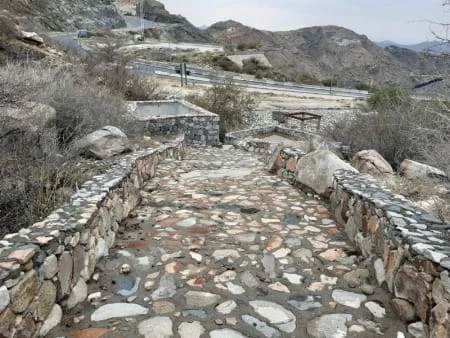
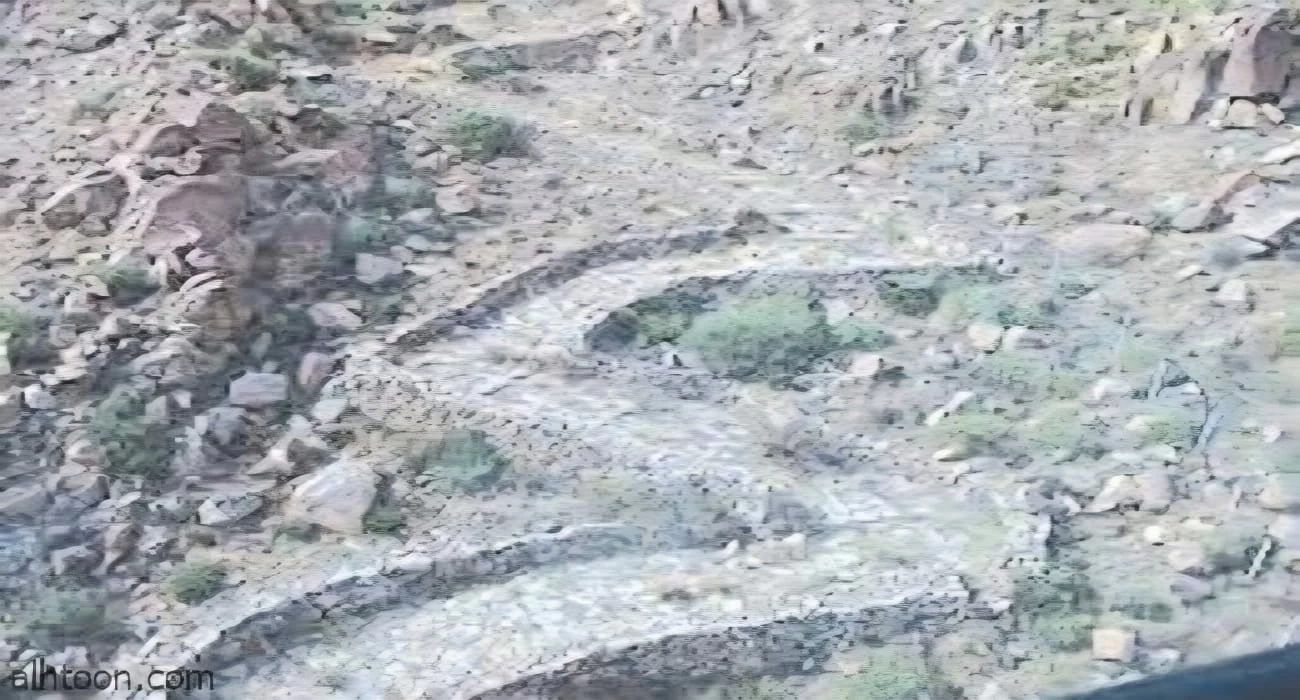
ويتذكر المسن علي بن جار الله أن الحجاج المتجهين إلى مكة عبر الطائف كانوا يسلكون درب الجمالة، وهو الطريق الوعر الذي يربط بين الهدا والكر مروراً بوادي نعمان، وكانت القوافل تعبره محمّلة بالحجاج والبضائع قبل أن يتوقف استخدامه بعد افتتاح طريق الهدا الحديث.
The city of Taif is considered a pivotal historical station in the pilgrimage journey to Mecca since ancient times, as it has always formed the "Gateway of the East to Mecca" and a primary refuge for caravans coming from the south and east of the Kingdom. In the context of recalling historical memory, historian Khalid Al-Humaidi explained to "Okaz" that three main sites in Taif represented vital centers for gathering pilgrims in the past, reflecting the cultural and geographical diversity of the visitors to the Sacred House of Allah.
Foremost among these sites is Rukban Shubra, a prominent area whose name is derived from the word "Rukib," meaning land prepared for agriculture, and is currently located between Abu Bakr and Al-Jaish streets. Historically, this station was designated for receiving pilgrims from East Asia, who were known to the people of Taif as "Al-Bukhariyah," due to their arrival from Islamic regions in Russia such as Kazakhstan, Tashkent, and others. Their caravans would rest at this site before continuing their journey to Mecca, while a large commercial market was held there selling goods coming from the former Soviet Union, such as binoculars, knives, caviar, and wool.
The second site is the Al-Yamaniyah neighborhood, which was formerly known as "Al-Hufar," and was the primary destination for pilgrims from Yemen coming via the ancient road extending from Yemen through the southern cities to Taif. These pilgrims were known as "Pilgrims of the Yemeni League," and the neighborhood represented a station of stability and hospitality for them, where they were welcomed by the notable Hamid bin Yasin Al-Tuwairqi, which strengthened the geographical and social ties between Taif and the south of the Arabian Peninsula.
The third site is highlighted in the Al-Ma'shi neighborhood and the area that was known as "The Station" near the roundabout of Al-Salamah neighborhood, which are sites of historical symbolism extending over centuries. Accounts indicate that this area was a major crossing point for pilgrims of the Abbasid state, reflecting the strategic importance of Taif in the administrative and logistical organization of pilgrimage journeys throughout various Islamic eras.
Al-Humaidi adds that these sites represent living witnesses to a long history of serving the guests of the Merciful, as they transformed from agricultural lands and simple crossing paths into vibrant modern neighborhoods, while retaining the essence of the past that tells the story of a city that has never ceased to welcome those coming to Mecca.
The elderly Ali bin Jarallah recalls that pilgrims heading to Mecca via Taif used to take the rugged path of Al-Jamalah, which connects Al-Hada and Al-Kar, passing through Wadi Numan, and the caravans would cross it loaded with pilgrims and goods before its use ceased after the opening of the modern Al-Hada road.