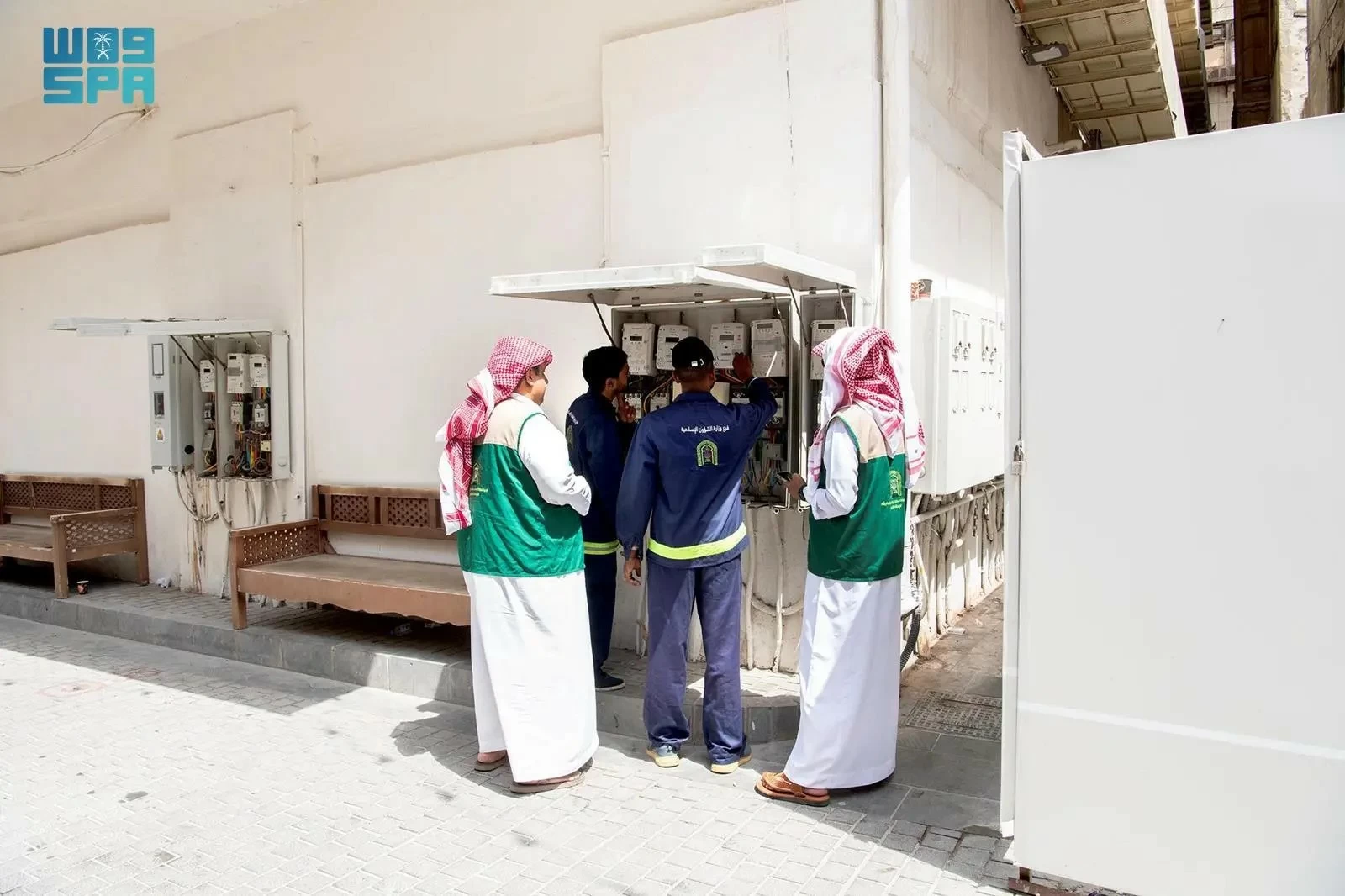
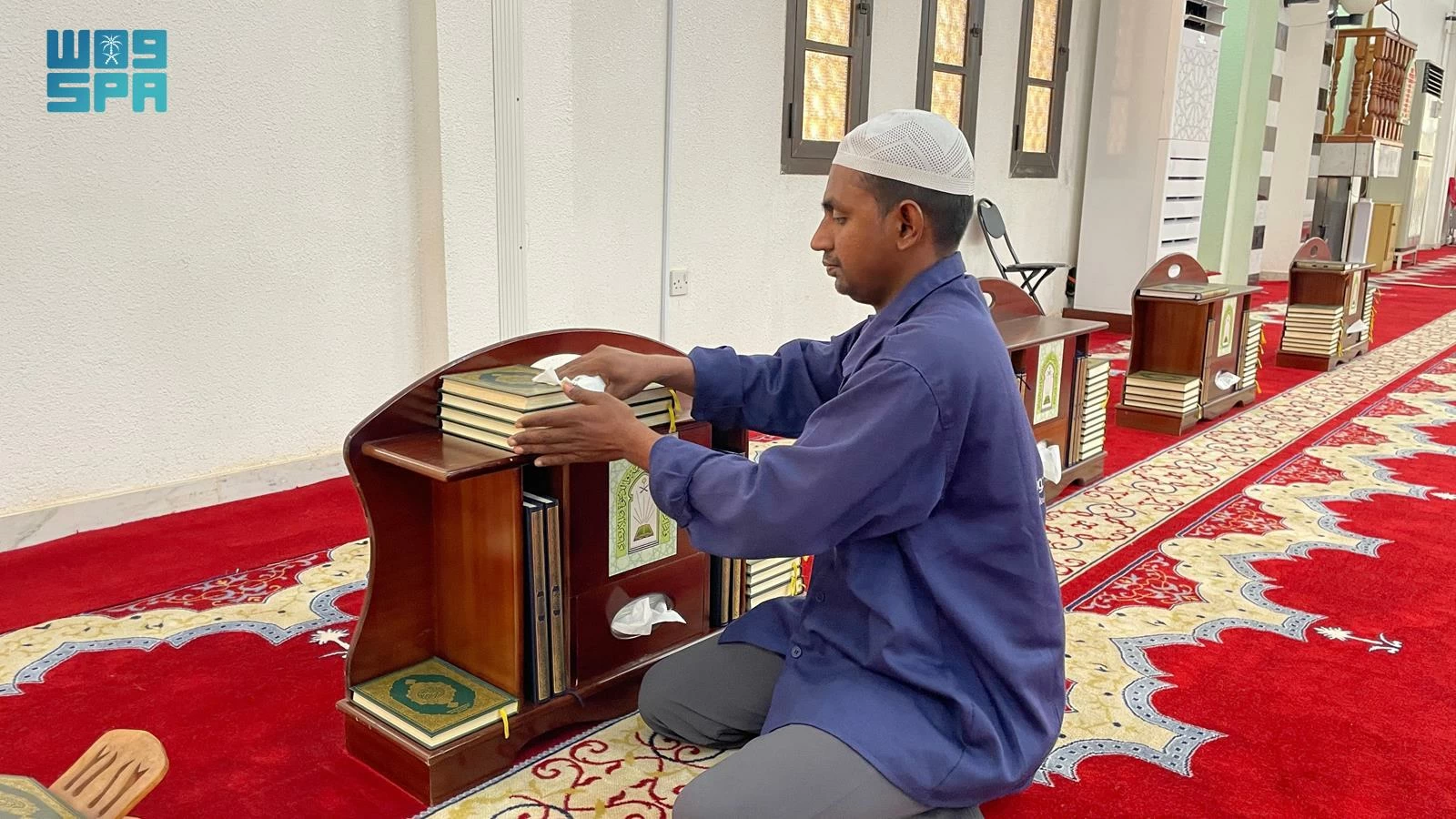
كشفت وزارة الشؤون الإسلامية لائحة تنظيم العمل ضمن برنامج مبادرة التوظيف التي تستهدف وظائف داعية، مراقب وحارس أمن.
وجاءت اللائحة (اطلعت عليها «عكاظ») بإطار متكامل ينظم العلاقة التعاقدية بين الوزارة والعاملين، ويحدد ضوابط التوظيف، والحقوق والواجبات، وآليات التقييم والتأهيل إضافة إلى تنظيم بيئة العمل والانضباط. واعتبرت اللائحة العقد المرجع الأساسي في تحديد الالتزامات. وحددت شروط التوظيف بأن يكون المتقدم سعودي الجنسية وألا يقل عمره عن 18 عاماً وأن يجتاز إجراءات التوظيف من اختبارات ومقابلات إضافة إلى استيفاء متطلبات التسجيل في التأمينات الاجتماعية واجتياز المسوحات الأمنية مع اشتراط اللياقة الصحية للقيام بمهمات الوظيفة.
وأخضعت اللائحة الموظف لفترة تجربة لا تتجاوز 180 يوماً يتم خلالها تقييم أدائه وسلوكه الوظيفي، مع منح الوزارة حق إنهاء العقد خلال هذه الفترة، إلى جانب التأكيد على أهمية التدريب والتأهيل المستمر، ونظّمت اللائحة الجوانب المالية وأوضحت آلية صرف الأجور والبدلات بما في ذلك بدل الانتداب وفق ضوابط محددة وعدم استحقاق الأجر في حالات الغياب غير المبرر، مع تحديد آليات الخصومات والالتزامات المالية، كما بيّنت أن الأجر يشمل ما يتقاضاه العامل مقابل عمله وفق العقد المبرم، مع تنظيم حالات الانتداب وما يصاحبها من استحقاقات.
وحددت اللائحة ساعات العمل اليومية، وتنظيم أيام العمل والراحة الأسبوعية وإمكانية نقل الموظف أو تكليفه بمهمات في مواقع أخرى وفق حاجة العمل إضافة إلى ضوابط الانتداب داخل وخارج المنطقة بما يحقق متطلبات العمل ويضمن استمراريته.
كما تناولت اللائحة الإجازات بمختلف أنواعها، وشملت الإجازة السنوية والمرضية والاضطرارية، وإجازات المناسبات مثل الزواج والوفاة، إلى جانب إجازة الوضع للمرأة، مع تحديد مددها وشروط الاستفادة منها وآلية احتسابها. وشددت اللائحة على الالتزام بسلوكيات العمل والانضباط الوظيفي بما يشمل المحافظة على ممتلكات العمل والالتزام بالتعليمات وعدم إساءة استخدام الصلاحيات أو وسائل التواصل والحفاظ على سرية المعلومات، إلى جانب الالتزام بالقيم المهنية.
كما تضمنت جداول تفصيلية للمخالفات والجزاءات صنفت المخالفات بحسب جسامتها، وبيّنت العقوبات المترتبة عليها والتي تبدأ بالإنذار والحسم من الأجر، وقد تصل إلى الفصل من العمل في حالات المخالفات الجسيمة.
وفي جانب السلامة، أكدت اللائحة التزام الوزارة بتوفير بيئة عمل آمنة وتطبيق اشتراطات السلامة المهنية، إضافة إلى تسجيل العاملين في نظام التأمينات الاجتماعية، وضمان حقوقهم وفق الأنظمة المعمول بها.
كما منحت اللائحة العاملين حق التظلم من القرارات الصادرة بحقهم خلال مدد محددة، وحددت حالات إنهاء الخدمة، والتي تشمل انتهاء العقد أو الاستقالة أو الغياب أو الإخلال بالواجبات الوظيفية، مع بيان الحقوق المالية المستحقة بما في ذلك مكافأة نهاية الخدمة وفق الضوابط المحددة.
وتضمنت اللائحة أحكاماً خاصة بالمرأة شملت تنظيم إجازة الوضع، وضمان الحقوق الوظيفية بما يتناسب مع طبيعة العمل إضافة إلى مراعاة الجوانب المرتبطة ببيئة العمل الخاصة بها، في حين، أكدت الأحكام الختامية أن اللائحة تدخل حيز التنفيذ من تاريخ اعتمادها، وتعد المرجع التنظيمي لإدارة شؤون العاملين ضمن البرنامج.
The Ministry of Islamic Affairs has revealed a regulation for organizing work within the Employment Initiative program, which targets positions for preachers, supervisors, and security guards.
The regulation (which "Okaz" has reviewed) provides a comprehensive framework that organizes the contractual relationship between the ministry and the employees, defines employment controls, rights and duties, evaluation and qualification mechanisms, in addition to organizing the work environment and discipline. The regulation considers the contract as the primary reference for determining obligations. It specifies the employment conditions that the applicant must be a Saudi national, at least 18 years old, and must pass the employment procedures including tests and interviews, in addition to fulfilling the requirements for registration in social insurance and passing security screenings, with a requirement for health fitness to perform job duties.
The regulation subjects the employee to a trial period not exceeding 180 days during which their performance and work behavior will be evaluated, granting the ministry the right to terminate the contract during this period, alongside emphasizing the importance of continuous training and qualification. The regulation organized financial aspects and clarified the mechanism for disbursing salaries and allowances, including travel allowances according to specific controls, and stipulating that no salary is due in cases of unexcused absence, while also defining mechanisms for deductions and financial obligations. It clarified that the salary includes what the employee receives in return for their work according to the signed contract, along with organizing cases of travel assignments and the accompanying entitlements.
The regulation specified daily working hours, organized working days and weekly rest days, and the possibility of transferring the employee or assigning them tasks in other locations according to work needs, in addition to controls for travel assignments inside and outside the region to meet work requirements and ensure its continuity.
The regulation also addressed various types of leave, including annual, sick, and emergency leave, as well as leave for occasions such as marriage and death, along with maternity leave for women, specifying its durations, conditions for utilization, and calculation methods. The regulation emphasized adherence to work behaviors and job discipline, including maintaining workplace property, following instructions, not abusing powers or communication tools, and preserving the confidentiality of information, alongside commitment to professional values.
It also included detailed tables for violations and penalties, categorizing violations based on their severity, and outlining the resulting penalties which start with warnings and salary deductions, and may reach termination in cases of serious violations.
In terms of safety, the regulation affirmed the ministry's commitment to providing a safe work environment and applying occupational safety requirements, in addition to registering employees in the social insurance system and ensuring their rights according to applicable regulations.
The regulation granted employees the right to appeal decisions issued against them within specified periods, and defined cases for termination of service, which include contract expiration, resignation, absence, or breach of job duties, while clarifying the financial rights due, including end-of-service benefits according to specified controls.
The regulation included special provisions for women, which organized maternity leave and ensured job rights in accordance with the nature of the work, in addition to considering aspects related to their specific work environment. Meanwhile, the concluding provisions confirmed that the regulation comes into effect from the date of its approval and serves as the organizational reference for managing employee affairs within the program.