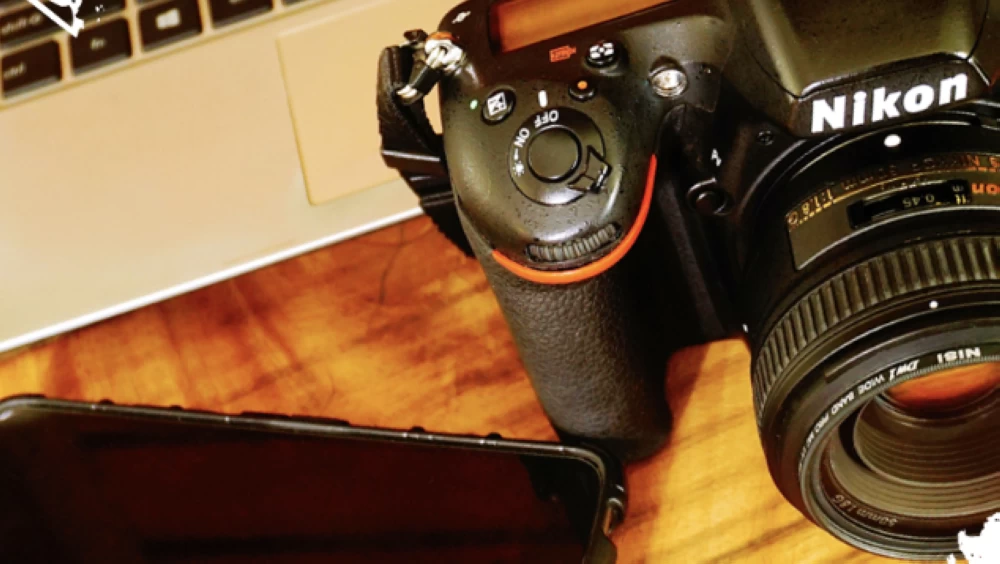
عدستك سلاحٌ فلا تسدده نحو خاصرة الوطن فتصبح عيناً للعدو بنشر صور الأحداث، كن واعياً ولا تكن أداة للأعداء.
يرى مصور تلك اللقطات أنها مجرد فيديو أو صورة فيما هي تشكل للعدو معلومة قيمة يلتقطها.
استنكر المجتمع نشر بعض مقاطع فيديو تظهر توثيق عملية اعتراض مسيرات معادية في سماء الرياض، ما قد يسهم في كشف الإحداثيات والمواقع وتتحول تلك اللقطات إلى عين للمعتدين داخل الوطن، في الوقت الذي أكد فيه قانونيون أن نشر مواقع أو إحداثيات مخالفة، وتحديداً صور ومقاطع فيديو لمواقع الأحداث، يعد جريمة معلوماتية تعاقب عليها القوانين، حيث تصل عقوبة تصوير ونشر المواقع المستهدفة أو الشائعات إلى السجن خمس سنوات وغرامة مالية تصل إلى ثلاثة ملايين ريال، نظراً إلى ما تمثله من تهديد للأمن والنظام العام ومساندة الجهات المعادية.
ورفض المجتمع في تعليقات متتالية على منصات التواصل الاجتماعي تلك اللقطات مطالبين بعدم الاستهانة بمخالفة الأنظمة، وعذر الجهل بها لا يعفي من المسؤولية القانونية، فالقانون شرع للحفاظ على المجتمع، فيعتقد البعض من الباحثين عن المتابعات والتعليقات على مقاطعهم أنهم لا يقعون تحت طائلة المساءلة القانونية، فيسقطون في مخالفة نظام الجرائم المعلوماتية، ما يعرضهم إلى عقوبات شرعت لضبط النظام.
سجن وغرامة
حذَّرت النيابة العامة من إنتاج ما من شأنه المساس بالنظام العام، أو القيم الدينية، أو الآداب العامة، أو حرمة الحياة الخاصة، أو إعداده، أو إرساله، أو تخزينه، عن طريق الشبكة المعلوماتية، أو أحد أجهزة الحاسب الآلي، مبينة أن مرتكب ذلك يعاقَب بالسجن لمدة تصل إلى خمس سنوات، وبغرامة مالية تصل إلى ثلاثة ملايين ريال، أو بإحدى هاتين العقوبتَيْن.
ونبهت النيابة العامة من أي ممارسات أو سلوكيات تنطوي على إساءة استعمال الهواتف الذكية وفيها انتهاك خصوصيات أماكن العمل بتصوير الآخرين أو التشهير أو إلحاق الضرر بهم، أو بتجاوز الآداب العامة، أو نشر أي من ذلك باستخدام وسائل تقنيات المعلومات المختلفة.
وبينت أن انتهاك خصوصية الأشخاص أثناء التصوير في الأماكن العامة يعرض للمساءلة القانونية، وعند تصويرك لجريمة قم بتقديم المحتوى للجهات الأمنية، ولا تنشره بوسائل التواصل، حتى لا تعالج الجريمة بجريمة.
إعادة النشر جريمة مستقلة
حذَّر المحامي والمستشار القانوني رامي الشريف، من التصوير والنشر لأي حدث أو جريمة حتى لا تصبح جريمة معلوماتية بحق من قام بذلك. مضيفاً أن نشر المقاطع والرسائل يعرض صاحبها لطائلة القانون، فإعادة الإرسال للإساءة أو التشهير أو المساس بالحياة الخاصة لا يعفي من المسؤولية القانونية، فقد أوضح النظام عقوبة كل جريمة سواء من استخدم الجوال في تصوير الأشخاص والمساس بحياتهم الخاصة أو حتى لإيصال شكوى معينة أو قصور تمت مشاهدته أو جريمة وقعت، فهناك وسائل معروفة لإيصال الشكوى أو البلاغ دون تشهير، ومن أبرزها تطبيق «كلنا أمن»، حيث يمكنك إرفاق فيديو أو صور، لإثبات جريمة، وبذلك تكون معفياً تماماً من أي مساءلة قانونية فالتشهير ممنوع وهو جريمة يعاقب عليها القانون حتى ولو كان لغرض التحذير والتنبيه، فالتشهير لا يكون إلا بحكم قضائي ينص على التشهير وله إجراءات محددة وطرق وضعها النظام وليس عبر منصات التواصل الاجتماعي.
وأضاف أن البعض يتوقع أن قيامه باستخدام معرفات وهمية أو مؤقتة أو مستعارة ينجيه من العقاب والمساءلة القانونية وهو توقع خاطئ بلا شك، فالجهات المختصة لديها القدرة على الوصول لكل مخالف.
الجهل لا يعفي من العقاب
بدوره، أكد الخبير الأمني اللواء متقاعد حسين الحارثي، أن التبرير بالجهل بالأنظمة لا يعفي من المسؤولية القانونية، فمن يقوم بنشر أي محتوى مرئي يتحمّل مسؤوليته بشكل كامل، لا تنشر ولا تُعد نشر المقاطع المجهولة، لأن ترويجها يعرضك للمساءلة القانونية. نشر هذه المقاطع يأتي ضمن حملات تضليل ومحاولات بائسة تهدف لإثارة الخوف في نفوس المواطنين والمقيمين وزوّار المملكة.
وحذَّر اللواء الحارثي من الممارسات التي يستهين بها الكثير من مستخدمي منصات التواصل الاجتماعي؛ ومنها إعادة النشر على منصات وشبكات التواصل الاجتماعي، فتلك الممارسة تعرض صاحبها للمساءلة كشريك جنائي مع ناشر المقطع الأساسي، فالجهل بالعقوبة لا يعفي من المسؤولية الاجتماعية والقانونية، والمساس بالنظام العام لا يغتفر.
وبين أن نشر المقاطع والرسائل يضع صاحبها تحت طائلة القانون؛ فإعادة الإرسال للإساءة أو التشهير أو المساس بالحياة الخاصة لا يعفي من المسؤولية القانونية.
Your lens is a weapon, so do not aim it at the flank of the homeland, lest it become an eye for the enemy by spreading images of events. Be aware and do not be a tool for the adversaries.
The photographer of those shots sees them as just a video or an image, while they represent valuable information for the enemy that they capture.
The community condemned the publication of some video clips showing the documentation of intercepting hostile drones in the skies of Riyadh, which could contribute to revealing coordinates and locations, turning those clips into an eye for the aggressors within the homeland. Legal experts confirmed that publishing locations or coordinates in violation of the law, specifically images and videos of event sites, constitutes a cybercrime punishable by law, with penalties reaching up to five years in prison and fines up to three million riyals, due to the threat they pose to public security and order and support for hostile entities.
The community rejected those clips in successive comments on social media platforms, demanding that violations of regulations not be taken lightly, as ignorance of them does not exempt one from legal responsibility. The law was enacted to protect society, and some who seek followers and comments on their clips believe they are not subject to legal accountability, thus falling into violations of the cybercrime law, exposing themselves to penalties established to maintain order.
Imprisonment and Fine
The Public Prosecution warned against producing anything that could harm public order, religious values, public morals, or the sanctity of private life, or preparing, sending, or storing it through the information network or any computer devices, indicating that the perpetrator will be punished with imprisonment for up to five years and a fine of up to three million riyals, or one of these penalties.
The Public Prosecution also cautioned against any practices or behaviors that involve the misuse of smartphones, violating the privacy of workplaces by photographing others, defaming, or harming them, or exceeding public morals, or publishing any of that using various information technology means.
It clarified that violating the privacy of individuals while photographing in public places exposes one to legal accountability. When you capture a crime, submit the content to the security authorities and do not publish it on social media, so that you do not address a crime with another crime.
Reposting is an Independent Crime
Lawyer and legal consultant Rami Al-Sharif warned against photographing and publishing any event or crime to avoid committing a cybercrime against those who do so. He added that publishing clips and messages exposes the owner to the law's reach, as forwarding for defamation, slander, or infringing on private life does not exempt one from legal responsibility. The law specifies penalties for every crime, whether for using a mobile phone to photograph individuals and infringe on their private lives or even to report a specific complaint or a deficiency observed or a crime that occurred. There are known means to report a complaint or notification without defamation, the most notable of which is the "We All Are Safe" application, where you can attach videos or photos to prove a crime, thus completely exempting you from any legal accountability, as defamation is prohibited and is a crime punishable by law, even if for the purpose of warning and alerting. Defamation can only occur by a judicial ruling that stipulates defamation and has specific procedures and methods established by the law, not through social media platforms.
He added that some expect that using fake, temporary, or borrowed identities will save them from punishment and legal accountability, which is undoubtedly a mistaken assumption, as the relevant authorities have the ability to reach every violator.
Ignorance Does Not Exempt from Punishment
For his part, retired Major General Hussein Al-Harithi confirmed that justifying ignorance of the regulations does not exempt one from legal responsibility. Anyone who publishes any visual content bears full responsibility. Do not publish or prepare the dissemination of unknown clips, as promoting them exposes you to legal accountability. The publication of these clips is part of misleading campaigns and desperate attempts aimed at instilling fear in the hearts of citizens, residents, and visitors to the Kingdom.
Major General Al-Harithi warned against practices that many social media users take lightly, including reposting on social media platforms and networks. This practice exposes the owner to accountability as a criminal partner with the original clip publisher. Ignorance of the penalty does not exempt one from social and legal responsibility, and infringing on public order is unforgivable.
He indicated that publishing clips and messages places the owner under the law's reach; forwarding for defamation, slander, or infringing on private life does not exempt one from legal responsibility.