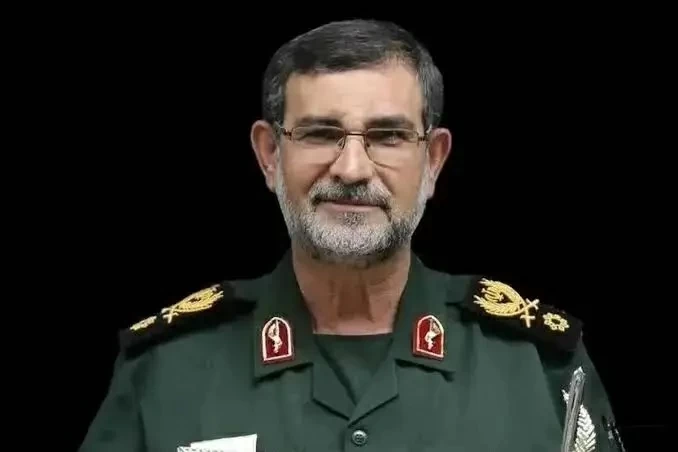
فيما تقترب الحرب في الشرق الأوسط من إكمال شهرها الأول، أعلنت مصادر إسرائيلية اغتيال قائد القوات البحرية التابعة للحرس الثوري الإيراني.
غارات إسرائيلية على بندر عباس
وأفادت المصادر، اليوم الخميس، بأن الجيش الإسرائيلي قضى على قائد القوات البحرية الأدميرال علي رضا تنكسيري خلال غارات على بندر عباس جنوب إيران، بحسب ما نقلت وسائل إعلام إسرائيلية.
ووفق مسؤولين إسرائيليين فإن تنكسيري الذي يشغل منصب قائد البحرية في الحرس الثوري منذ 2018 هو المسؤول الأول عن خطط إغلاق مضيق هرمز. وأكد مسؤول إسرائيلي للقناة 12 أن هذا القيادي الإيراني كان مسؤولاً عن إغلاق المضيق الحيوي الذي تمر عبره خمس شحنات النفط والغاز عالمياً.
لا حاجة لزرع الألغام
وكان تنكسيري أعلن في وقت سابق هذا الشهر، أن قواته تسيطر بالكامل على مضيق هرمز، لافتا إلى «عدم الحاجة لزرع الألغام» طالما أن السيطرة قائمة.
ويعد تنكسري المولود في بوشهر عام 1962، والذي انضم إلى الحرس الثوري في سن مبكرة من حياته، ذا خبرة ميدانية واسعة في العمليات البحرية، وقيادياً عسكرياً بارزاً.
المواجهة بأساليب غير تقليدية
ويعرف تنكسيري باعتماده على عقيدة تقوم على مواجهة القوى الكبرى بأساليب غير تقليدية، مثل استخدام الزوارق السريعة، والصواريخ الساحلية، والطائرات المسيّرة، مع التركيز على استغلال طبيعة الخليج الضيقة لتحقيق تفوق تكتيكي.
وعرف بتصريحاته الحادة التي تضمنت تهديدات مباشرة للولايات المتحدة، وتأكيده المتكرر على قدرة إيران على تعطيل الملاحة في مضيق هرمز في حال اندلاع أي صراع.
وارتبط اسمه في السنوات الأخيرة بتطوير القدرات البحرية الإيرانية، خصوصا في مجال الطائرات بدون طيار والسفن المسيّرة، ما عكس توجهاً نحو تعزيز الردع البحري بوسائل حديثة. ويُنظر إليه داخل البلاد كقائد ميداني صلب، بينما تعتبره أطراف دولية شخصية تصعيدية.
تصفية عشرات القادة الإيرانيين
واغتالت إسرائيل منذ تفجر الحرب في 28 فبراير الماضي عشرات القادة السياسيين البارزين، والعسكريين لا سيما في الحرس الثوري. فقد أدت الغارات الإسرائيلية الأمريكية المشتركة في اليوم الأول للحرب إلى تصفية المرشد علي خامئني، فضلاً عن قائد الحرس الثوري محمد باكبور، وعبد الرحيم موسوي، رئيس أركان القوات المسلحة. كما اغتالت إسرائيل قائد قوات الباسيج غلام رضا سليماني، ووزير الدفاع الإيراني عزيز نصير زادة، وخلفه كذلك، فضلاً عن عشرات القادة والضباط العسكريين.
وتوعدت باغتيال المرشد الجديد مجتبى خامنئي، ورئيس البرلمان الإيراني محمد باقر قاليباف، بالإضافة إلى اللواء أمير حاتمي القائد العام للجيش، واللواء أحمد وحيدي قائد الحرس الثوري الذي عين بعد مقتل باكبور، واللواء علي عبد اللهي قائد مقر خاتم الأنبياء.
As the war in the Middle East approaches the completion of its first month, Israeli sources announced the assassination of the commander of the naval forces of the Iranian Revolutionary Guard.
Israeli Airstrikes on Bandar Abbas
Sources reported today, Thursday, that the Israeli army eliminated the commander of the naval forces, Admiral Ali Reza Tangsiri, during airstrikes on Bandar Abbas in southern Iran, according to Israeli media.
According to Israeli officials, Tangsiri, who has held the position of commander of the navy in the Revolutionary Guard since 2018, is the primary person responsible for plans to close the Strait of Hormuz. An Israeli official confirmed to Channel 12 that this Iranian leader was responsible for closing the vital strait through which five shipments of oil and gas pass globally.
No Need to Plant Mines
Tangsiri had announced earlier this month that his forces fully control the Strait of Hormuz, noting that "there is no need to plant mines" as long as control is maintained.
Tangsiri, born in Bushehr in 1962, who joined the Revolutionary Guard at a young age, has extensive field experience in naval operations and is a prominent military leader.
Confrontation with Unconventional Methods
Tangsiri is known for relying on a doctrine that confronts major powers with unconventional methods, such as using fast boats, coastal missiles, and drones, while focusing on exploiting the narrow nature of the Gulf to achieve tactical superiority.
He is known for his sharp statements that included direct threats to the United States, and his repeated assertions of Iran's ability to disrupt navigation in the Strait of Hormuz in the event of any conflict.
In recent years, his name has been associated with the development of Iranian naval capabilities, especially in the field of drones and unmanned ships, reflecting a trend towards enhancing maritime deterrence with modern means. He is viewed domestically as a tough field commander, while international parties consider him an escalatory figure.
Elimination of Dozens of Iranian Leaders
Since the outbreak of the war on February 28, Israel has assassinated dozens of prominent political and military leaders, especially in the Revolutionary Guard. The joint Israeli-American airstrikes on the first day of the war led to the elimination of leader Ali Khamenei, as well as the commander of the Revolutionary Guard, Mohammad Pakpour, and Abdolrahim Mousavi, Chief of Staff of the Armed Forces. Israel also assassinated the commander of the Basij forces, Gholam Reza Soleimani, and Iranian Defense Minister Aziz Nasirzadeh, along with his successor, in addition to dozens of military leaders and officers.
They have vowed to assassinate the new leader Mojtaba Khamenei, Iranian Parliament Speaker Mohammad Baqer Qalibaf, as well as General Amir Hatami, the Chief of Staff of the Army, General Ahmad Vahidi, the commander of the Revolutionary Guard who was appointed after Pakpour's death, and General Ali Abdollahi, commander of the Khatam al-Anbiya headquarters.