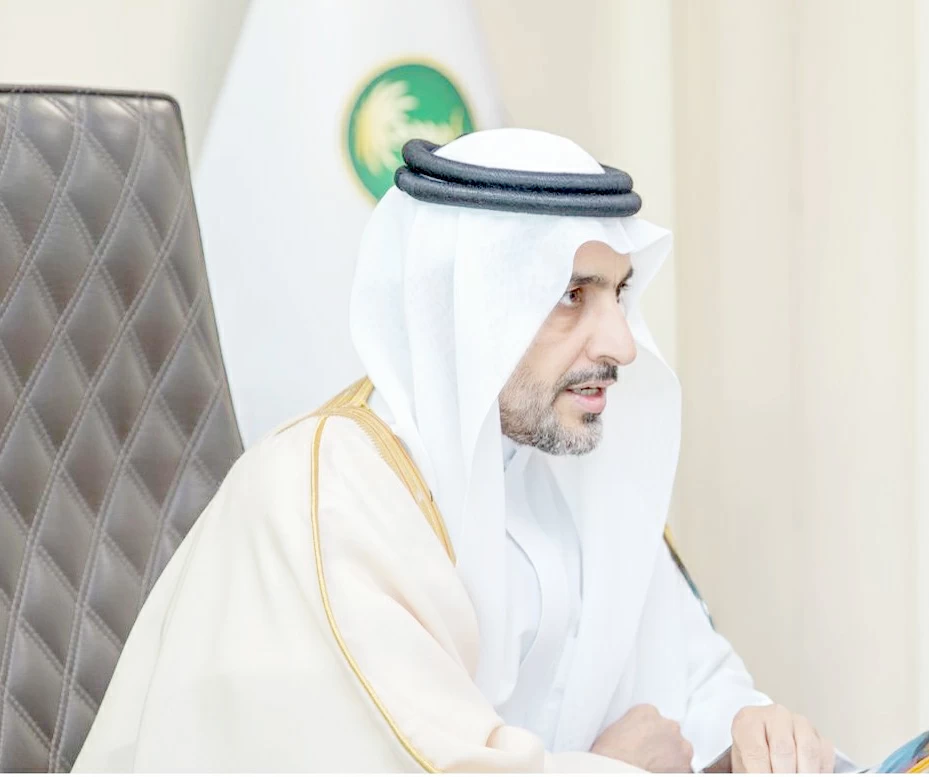
رأس نائب وزير البيئة والمياه والزراعة المهندس منصور هلال المشيطي، اجتماعاً تنسيقياً مشتركاً ضم عدداً من الجهات المعنية بالإنتاج الزراعي وسلاسل الإمداد؛ بهدف تعزيز منظومة الإمداد الغذائي ورفع استدامة الإنتاج الزراعي عبر تبني أفضل الممارسات التي تسهم في زيادة الإنتاج المحلي ورفع نسب الاكتفاء الذاتي، بما يدعم تحقيق مستهدفات رؤية المملكة 2030 في مجال الأمن الغذائي.
شارك في الاجتماع رؤساء اللجان المتخصصة في اتحاد الغرف السعودية، ومنها لجان: الزراعة، الأمن الغذائي، منتجي الدواجن، منتجي الألبان، ولجنة الأعلاف، إضافة إلى جهات داعمة مثل: الهيئة العامة للأمن الغذائي، الهيئة العامة للغذاء والدواء، المركز الوطني للتنمية الصناعية، الشركة الوطنية للخدمات الزراعية، ومركز وقاء.
وتناول الاجتماع جهود تطوير القطاع الزراعي واستدامته، وتسهيل انسياب المنتجات الغذائية من وإلى المملكة، وتعزيز التنسيق بين الجهات الحكومية والخاصة، إلى جانب تحسين العمليات اللوجستية لمدخلات الأعلاف وبناء شبكة تواصل فعّالة تدعم الأمن الغذائي الوطني.
كما ثمّن المشاركون الدعم الكبير الذي توليه القيادة الرشيدة للقطاع الزراعي، والذي أسهم في تحقيق قفزات نوعية، أبرزها ارتفاع مساهمة القطاع في الناتج المحلي إلى 114 مليار ريال بنهاية 2024، وتحقيق العديد من المنتجات والمحاصيل الزراعية نسب اكتفاء ذاتي تجاوزت 100%، مما عزز مكانة المملكة في مجال الأمن الغذائي.
The Deputy Minister of Environment, Water, and Agriculture, Engineer Mansour Hilal Al-Mushaiti, chaired a joint coordination meeting that included several relevant entities in agricultural production and supply chains; aimed at enhancing the food supply system and increasing the sustainability of agricultural production by adopting best practices that contribute to increasing local production and raising self-sufficiency rates, which supports achieving the goals of the Kingdom's Vision 2030 in the field of food security.
Participating in the meeting were the heads of specialized committees in the Saudi Chambers of Commerce, including committees for: agriculture, food security, poultry producers, dairy producers, and the feed committee, in addition to supporting entities such as: the General Authority for Food Security, the General Authority for Food and Drug, the National Industrial Development Center, the National Agricultural Services Company, and the Waqaa Center.
The meeting addressed efforts to develop and sustain the agricultural sector, facilitate the flow of food products to and from the Kingdom, enhance coordination between government and private entities, as well as improve logistical operations for feed inputs and build an effective communication network that supports national food security.
The participants also appreciated the significant support provided by the wise leadership to the agricultural sector, which has contributed to achieving qualitative leaps, most notably the increase in the sector's contribution to the GDP to 114 billion riyals by the end of 2024, and achieving self-sufficiency rates exceeding 100% for many agricultural products and crops, thereby enhancing the Kingdom's position in the field of food security.