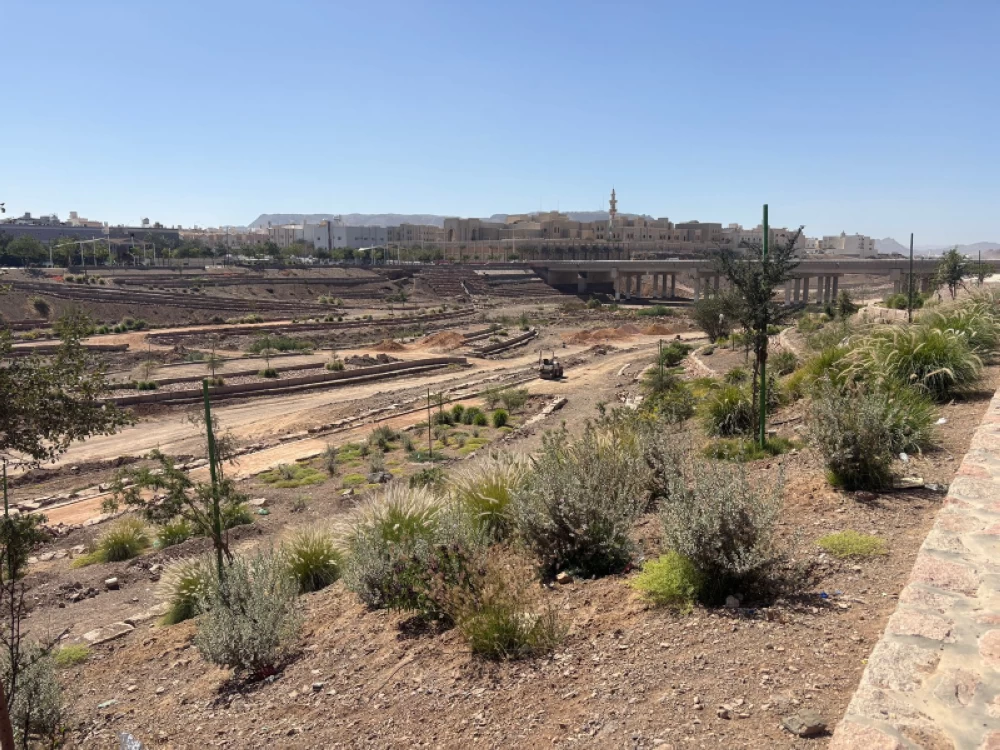
ارتبط وادي العقيق بسيرة النبي ﷺ ارتباطًا وثيقًا، حيث ورد في صحيح البخاري ما رُوي عن عمر بن الخطاب رضي الله عنه، أنه قال: (سمعتُ النبي ﷺ وهو بوادي العقيق يقول: أتاني الليلة آتٍ من ربي، فقال: صلِّ في هذا الوادي المبارك، وقُلْ: عمرة في حجّة.)
ويُعدُّ وادي العقيق أحد أبرز وأشهر الأودية في تاريخ المدينة المنورة وفي التراث الإسلامي؛ إذ ارتبط اسمه بسيرة النبي ﷺ منذ البعثة وحتى العصور الإسلامية اللاحقة، ما أكسبه مكانة خاصة في قلوب المسلمين على مر العصور.
ويقع وادي العقيق جنوب غربي المدينة المنورة، ويتجمع من منطقة النقيع التي تبعد أكثر من 100 كلم إلى الجنوب، فيسير مجراه شمالًا حتى يلامس مشارف المدينة عند جبل عير، ثم يعبر منطقة ذي الحليفة، ومنها نحو منطقة القبلتين حيث يلتقي بعد ذلك بوادي بطحان، ثم يمتد إلى لقاء وادي قناة عند منطقة زغابة شمال شرق المدينة، قبل أن يتجه نحو الشمال الشرقي. وفي مواسم الأمطار، يتدفق الوادي في مياهه كأنه نهر كبير، وقد ظل سيلُه يروي الأرض لعدة أشهر في السنوات الغزيرة.
ويبلغ طول مجرى الوادي في حدود المدينة وما حولها نحو 80 – 100 كيلومتر تقريبًا، وشكّل على مر التاريخ مصدراً للمياه والحياة الزراعية، كما شُيدت على ضفافه قصور وبساتين منذ العصرين الأموي والعباسي، من بينها قصر عروة بن الزبير وغيرها من المعالم التاريخية، التي لا تزال شاهدة على ازدهاره قديماً.
عبر قرون، شكّل وادي العقيق قلباً طبيعياً لحياة المجتمع المدني في القرون الماضية، حيث كان الناس مجتمعين حوله لبناء قصورهم، وزراعة النخيل والخضروات، وإقامة بساتينهم، لما اشتهر به من طيب الماء وأرضه الزراعية الخصبة، كما تم في السنوات الأخيرة تنفيذ مشاريع بيئية لتأهيل الوادي وتحويله إلى متنفس طبيعي يجمع بين التراث الحضري والبيئة، ويردفه ممشى بين الأشجار الكثيفة في الوادي، يحرص على ارتياده أهالي المدينة للاستجمام، كما يستقطب الزوار من داخل المملكة وخارجها لزيارته.
The Valley of Al-Aqiq is closely linked to the biography of the Prophet Muhammad (peace be upon him), as it is mentioned in Sahih al-Bukhari what was narrated by Umar ibn al-Khattab (may Allah be pleased with him), who said: "I heard the Prophet (peace be upon him) in the Valley of Al-Aqiq saying: An angel from my Lord came to me tonight and said: Pray in this blessed valley, and say: 'Umrah in Hajj.'
Al-Aqiq Valley is considered one of the most prominent and famous valleys in the history of Medina and in Islamic heritage; its name has been associated with the biography of the Prophet (peace be upon him) since the time of the Prophethood and throughout subsequent Islamic eras, which has given it a special status in the hearts of Muslims throughout the ages.
Al-Aqiq Valley is located to the southwest of Medina, originating from the Al-Naqia area, which is more than 100 km to the south, flowing northward until it reaches the outskirts of the city at Mount Uhud, then crossing the area of Dhul-Hulaifah, and from there towards the Qiblatain area where it later meets the Batḥan Valley, then extends to meet the Qanat Valley at the Zaghaba area northeast of the city, before heading northeast. During the rainy seasons, the valley flows with water as if it were a large river, and its stream has continued to irrigate the land for several months during the abundant years.
The length of the valley's course in and around the city is approximately 80 to 100 kilometers, and it has historically been a source of water and agricultural life. Along its banks, palaces and orchards were built since the Umayyad and Abbasid eras, including the palace of Urwah ibn al-Zubair and other historical landmarks that still testify to its ancient prosperity.
Over the centuries, Al-Aqiq Valley has formed a natural heart for the life of the civil community in past centuries, where people gathered around it to build their palaces, cultivate date palms and vegetables, and establish their orchards, due to its reputation for good water and fertile agricultural land. In recent years, environmental projects have been implemented to rehabilitate the valley and transform it into a natural outlet that combines urban heritage and the environment, complemented by a walkway among the dense trees in the valley, which the residents of the city are keen to visit for recreation, as it also attracts visitors from within the Kingdom and abroad.