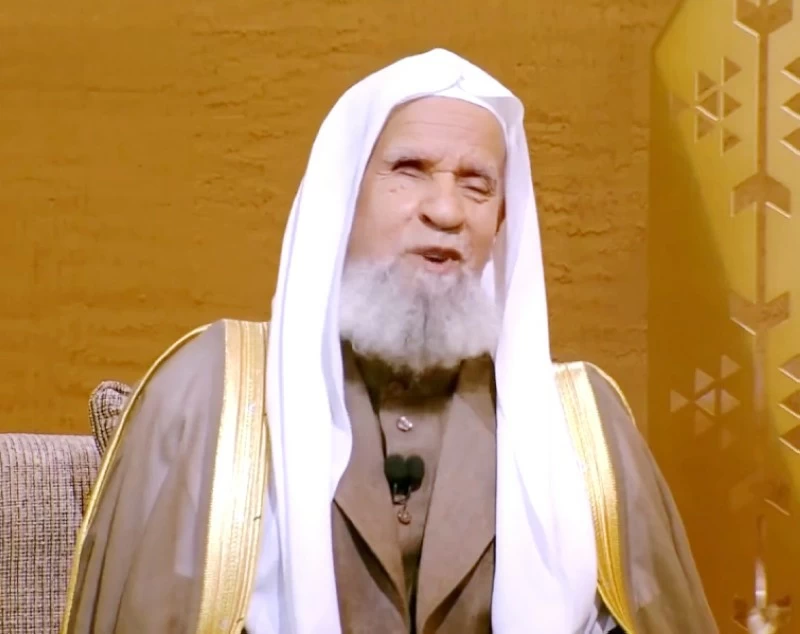
أكد عضو هيئة كبار العلماء سابقاً الدكتور عبدالله الركبان، جواز إخراج زكاة الفطر نقداً إذا كانت حاجة الفقير إلى المال أشد من حاجته إلى الطعام، وعدها مسألة خلافية، ويذهب إلى ذلك الحنفية والإمام البخاري، وشيخ الإسلام ابن تيمية؛ ولأنه يجري عليه العمل في بلدان إسلامية، وذهب إلى عدم التشديد فيه؛ ولفت إلى دفع البر والتمر باعتبارهما أيسر ومن باب الرفق، وعدّ إخراج القيمة من المسكوت عنه، و لم يرد النهي عن النقود، ولكون النقد بديلاً عن العين ولإغناء الفقير لحاجته للمال أكثر من الطعام، و قال: لا بأس بتمثيل الصحابة في المسلسلات كونها أثبتت نجاحها في توصيل التاريخ إلى الأجيال المعاصرة؛ الذين تعلقوا بالمشاهدة أكثر من القراءة، ومنها مسلسل عمر وسراقة بن مالك، وكان أكثر رسوخاً لسير الصحابة، فيما لم يجز الركبان تمثيل الأنبياء.
Dr. Abdullah Al-Ruqban, a former member of the Council of Senior Scholars, confirmed the permissibility of giving Zakat al-Fitr in cash if the poor person's need for money is greater than their need for food. He considered it a controversial issue, supported by the Hanafi school, Imam Al-Bukhari, and Sheikh Al-Islam Ibn Taymiyyah; because it is practiced in Islamic countries. He advocated against strictness in this matter and pointed out that giving barley and dates is easier and more compassionate. He regarded giving the monetary value as a matter that has not been explicitly addressed, and there is no prohibition against cash, as cash serves as a substitute for goods and helps the poor who need money more than food. He stated that there is no harm in depicting the companions in television series, as they have proven successful in conveying history to contemporary generations, who are more attached to watching than reading. Among these series are "Omar" and "Sarakah bin Malik," which have provided a more profound portrayal of the lives of the companions, while Al-Ruqban did not permit the depiction of the prophets.