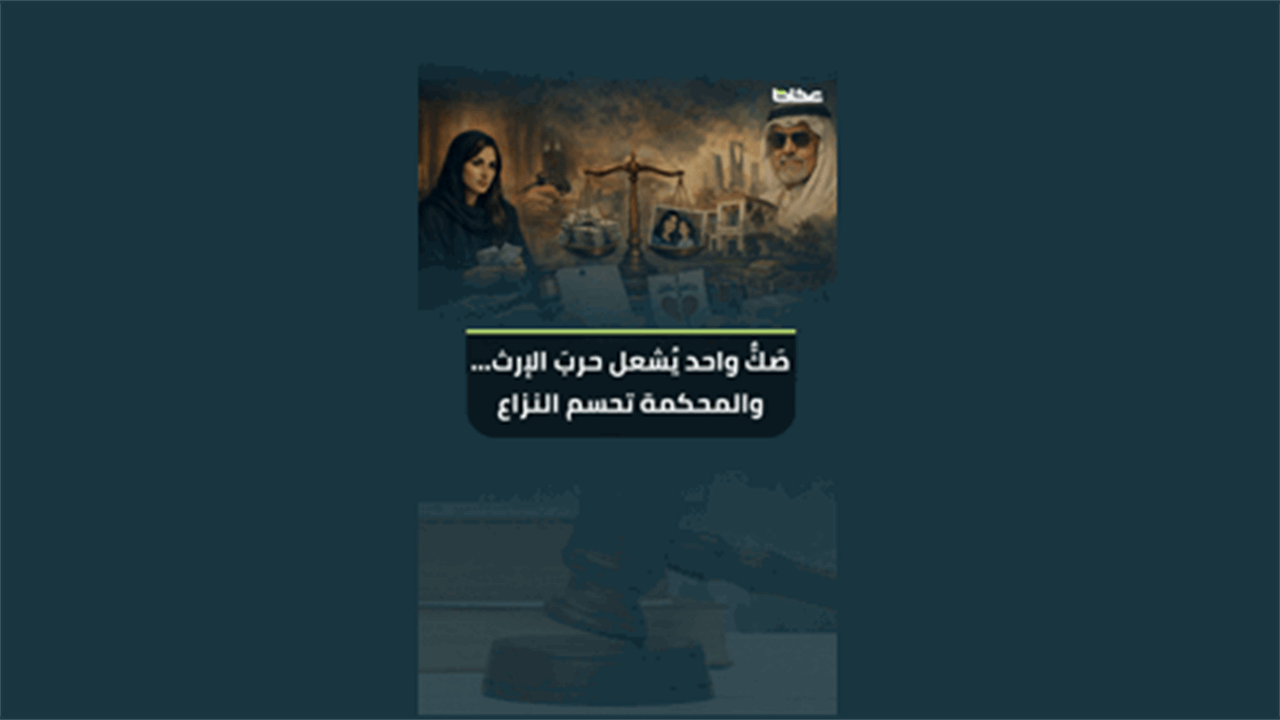
حسمت محكمة استئناف الأحوال الشخصية في جدة، قضية نزاع حول استحقاق زوجة مصرية ظهرت في صك حصر إرث مليونير سعودي، وأصدرت حكماً نهائياً بإضافة الزوجة المصرية في صك حصر الإرث، وقدّر نصيب الزوجة في التركة بأكثر من 150 مليون ريال؛ ما يعادل ملياراً و800 مليون جنيه مصري.
بدأت تفاصيل القضية (اطلعت عليها «عكاظ»)، بعد وفاة مليونير سعودي كان تزوج من امرأة مصرية وظلت معه على مدى 25 عاماً، وبعد الوفاة طلبت إضافة نصيبها في صك حصر الإرث.
في المقابل، تمسّك طرف الورثة في السعودية بوثيقة طلاق صادرة من خارج السعودية، وقالوا إن الانفصال وقع بين والدهم وزوجته المصرية منتصف التسعينيات، وإن ما تلا ذلك لم يكن سوى فصلٍ مغلق في كتاب الحياة الزوجية.
ورأى الطرف الآخر (الزوجة المصرية وابنتها ومحاميهما) أن وثيقة الطلاق المقدمة من الورثة في السعودية لا تكفي، وأن الوقائع اللاحقة من إقامة مشتركة للراحل مع زوجته، ومعاملات رسمية، وشهادات شهود وإقامة نظامية تجدد سنوياً تقول إن الزواج استمر فعلياً.
علاقة ربع قرن
طبقاً للتفاصيل، التي تنفرد بنشرها «عكاظ» حصرياً، فإن رجل الأعمال الراحل من أسرة تجارية كبيرة في جدة توفي قبل سنوات، وآخر أعماله الخيرية بناء مسجد كبير في حي راقٍ شمالي جدة.
وبدأت القضية بعد وفاة الزوج الثري، حين برز خلاف جوهري حول ما إذا كانت رابطة الزواج لا تزال قائمة حتى لحظة الوفاة، أم أنها انتهت بطلاق صدر خارج السعودية في تسعينيات القرن الماضي؟.
وتمسّك الورثة في السعودية بوثيقة الطلاق، معتبرين أنها أنهت العلاقة نهائياً، بينما دفعت الزوجة ومحاميها بأن الحياة المشتركة استمرت لسنوات لاحقة، مدعومة بإقامات رسمية تجدد سنوياً، وسجلات مدنية، وشهادات تؤكد استمرار العلاقة الزوجية إلى وقت الوفاة.
واستمعت محكمة استئناف الأحوال الشخصية إلى طرفي النزاع، ودرست الشهادات والمستندات، وارتكزت إلى قواعد الإثبات المعمول بها في قضايا الأحوال الشخصية. واطلعت على السجلات الرسمية التي استمر فيها توصيف الزوجة بصفتها زوجة شرعية.
التنفيذ ولو بالقوة الجبرية
خلصت المحكمة في قرارها النهائي إلى أن اليقين لا يزول بالشك، وأن رابط العلاقة الزوجية ظل قائماً وقت وفاة الزوج، وأمرت بإدراج الزوجة المصرية في صك الورثة لتحصل على نصيبها الشرعي من الإرث.
وختمت محكمة الاستئناف الحكم النهائي بعبارة «يطلب من جميع الوزارات والأجهزة الحكومية الأخرى العمل على تنفيذ الحكم بجميع الوسائل النظامية المتبعة ولو أدى ذلك إلى استخدام القوة الجبرية».
الحرمان من الإرث في حالات
عبدالرحمن الخولي
المحامي الدكتور عبدالرحمن الخولي علّق على الواقعة بالقول: إن المادة الـ69 من نظام الإثبات أشارت إلى أن شهادة الشهود في عدة أمور كالنكاح أو الوفاة أو النسب أو الوصية وغيرها، نصت عليها كاستثناءات يجوز الاستفاضة فيها، وبالتالي، فإن صحة النكاح أو وقوع الطلاق يتوقفان على قيام الرابطة الزوجية شرعاً حتى إن استكملت جميع الإجراءات الشكلية. فالنكاح والأحوال الشخصية بشكل عام، من الأمور العظمى متعدية الأثر، لذا نصت المادة عليها كاستثناء، كونها من الأمور التي قد يصعب إثباتها أو التحقق منها بالطرق المباشرة في عديد من الحالات. وأضاف الخولي: يضبط نظام الأحوال الشخصية الحقوق ويُحدد أنصبة الورثة بدقة، وللزوجة نصيب في الإرث محدد شرعاً، ويثبت حق الزوجة في الميراث بنصيب الربع حال عدم وجود فرع وارث، وبنصيب الثمن حال وجود فرع وارث، وذلك بمجرد صحة عقد الزواج، وإذا تعددت الزوجات، يقسم حصة الزوجة بالتساوي بينهن.
وتابع المحامي الخولي، أنه لا يجوز حرمان الزوجة إلا في حالات محدودة، مثل أن تقتل الزوجة زوجها عمداً أو اختلاف الدين، ويمكن للزوجة رفع دعوى قضائية أمام محكمة الأحوال الشخصية للمطالبة بحقها، خصوصاً عند وجود نزاع أو توزيع غير عادل. وأكد أن إثبات الوقائع الأسرية كالزواج والطلاق لا يقوم على ورقة منفردة، ولا يسقط بالتقادم الاجتماعي، بل يُبنى على تماسك الأدلة وتسلسلها.
نسرين الغامدي
حق الزوجات في الميراث
المحامية نسرين علي الغامدي أوضحت أن حق الزوجات في الميراث ورد في نظام الأحوال الشخصية، ويعتمد على وجود فرع وارث للمتوفى؛ فإذا كان للمتوفى أولاد (أو أحفاد منه)، ترث الزوجة الثُمن، وإذا لم يكن له أولاد، ترث الربع من التركة، وتتقاسم الزوجات المتعددات هذا النصيب بالتساوي، مع الأخذ في الاعتبار أحكام استحقاق الميراث الأخرى مثل عدم وجود مانع كاختلاف الدين أو القتل العمد. وأضافت: إذا كان للزوج أكثر من زوجة، يتم تقسيم نصيب الزوجة (الثمن أو الربع) بالتساوي بينهن.
تغريد حدادي
استحقاق الإرث بشروط محددة
المحامية تغريد حدادي تقول: إن نظام الأحوال الشخصية السعودي وضع إطاراً نظامياً واضحاً ومتكاملاً لتنظيم مسائل التركة والإرث، بما يضمن استقرار الحقوق ومنع النزاع بين الورثة. وأوضحت أن المنظم ربط استحقاق الإرث بشروط محددة نصّت عليها المادة 199، تتمثل في تحقق وفاة المورث، وحياة الوارث بعده، ووجود سبب الإرث وانتفاء موانعه. وبيّنت أن النظام عرّف التركة في المادة 197 بأنها جميع ما يخلّفه الإنسان بعد وفاته من أموال وحقوق مالية، ثم رتّب الحقوق المتعلقة بها ترتيباً إلزامياً في المادة 198، بدءاً بتجهيز الميت، ثم سداد الديون، فتنفيذ الوصية، وأخيراً قسمة التركة على الورثة؛ تأكيداً على أولوية الحقوق السابقة على القسمة.
وأوضحت المحامية حدادي أن المنظم عالج أثر الفرقة بين الزوجين على الإرث في المادة 201، وقرر كأصل عام أن الفرقة في الحياة تمنع التوارث، مع استثناءات محددة وردت على سبيل الحصر، بما يدل على أن العبرة النظامية في استحقاق الإرث تقوم على ثبوت العلاقة الزوجية وانتفاء الموانع وفق ما يقرره القضاء المختص. وأكدت أن هذه النصوص تعكس حرص المنظم السعودي على حماية المراكز القانونية، وتحقيق العدالة في توزيع التركات وفق ضوابط واضحة ومنظمة.
The Personal Status Court of Appeal in Jeddah has resolved a dispute regarding the entitlement of an Egyptian wife who appeared in the inheritance certificate of a Saudi millionaire, issuing a final ruling to include the Egyptian wife in the inheritance certificate, estimating her share in the estate at more than 150 million riyals; equivalent to 1.8 billion Egyptian pounds.
The details of the case (which "Okaz" has reviewed) began after the death of a Saudi millionaire who had married an Egyptian woman and had been with her for 25 years. After his death, she requested to have her share included in the inheritance certificate.
In contrast, the heirs in Saudi Arabia insisted on a divorce document issued outside Saudi Arabia, claiming that the separation occurred between their father and his Egyptian wife in the mid-1990s, and that what followed was merely a closed chapter in the book of married life.
The other party (the Egyptian wife, her daughter, and their lawyer) argued that the divorce document presented by the heirs in Saudi Arabia was insufficient, and that the subsequent facts of the shared life of the deceased with his wife, official transactions, witness testimonies, and annual legal residency renewals indicated that the marriage continued effectively.
A Quarter-Century Relationship
According to the details, which "Okaz" exclusively publishes, the deceased businessman came from a prominent commercial family in Jeddah and passed away years ago, with his last charitable act being the construction of a large mosque in an upscale neighborhood in northern Jeddah.
The case arose after the wealthy husband’s death, when a fundamental disagreement emerged regarding whether the marital bond was still in effect at the time of death or whether it had ended with a divorce issued outside Saudi Arabia in the 1990s.
The heirs in Saudi Arabia insisted on the divorce document, considering it to have definitively ended the relationship, while the wife and her lawyer argued that their shared life continued for subsequent years, supported by official residency renewals, civil records, and testimonies confirming the continuation of the marital relationship until the time of death.
The Personal Status Court of Appeal listened to both parties in the dispute, examined the testimonies and documents, and relied on the rules of evidence applicable in personal status cases. It reviewed the official records that continued to describe the wife as a legal spouse.
Enforcement, Even by Force
The court concluded in its final decision that certainty does not vanish with doubt, and that the marital relationship remained valid at the time of the husband's death. It ordered the inclusion of the Egyptian wife in the heirs' certificate so that she could receive her legal share of the inheritance.
The Court of Appeal concluded its final ruling with the statement, "All ministries and other governmental agencies are requested to work on enforcing the ruling by all legal means available, even if this requires the use of coercive force."
Deprivation of Inheritance in Cases
عبدالرحمن الخولي
Lawyer Dr. Abdulrahman Al-Khouli commented on the incident, stating that Article 69 of the Evidence System indicated that witness testimony in several matters such as marriage, death, lineage, or wills, is stipulated as exceptions that may be elaborated upon. Therefore, the validity of marriage or the occurrence of divorce depends on the existence of the marital bond legally, even if all formal procedures are completed. Marriage and personal status matters, in general, are significant issues with far-reaching effects, which is why the article specified them as exceptions, as they are matters that may be difficult to prove or verify through direct means in many cases. Al-Khouli added that the personal status system regulates rights and precisely defines the shares of heirs, and the wife has a legally defined share in the inheritance, which is one-fourth in the absence of a direct heir and one-eighth in the presence of a direct heir, as soon as the marriage contract is valid. If there are multiple wives, the wife's share is divided equally among them.
Al-Khouli continued that a wife can only be deprived of her inheritance in limited cases, such as if she intentionally kills her husband or if there is a difference in religion. The wife can file a lawsuit in the Personal Status Court to claim her right, especially in cases of dispute or unfair distribution. He emphasized that proving family facts such as marriage and divorce does not rely on a single document, nor does it lapse due to social aging; rather, it is based on the coherence and sequence of evidence.
نسرين الغامدي
Wives' Rights to Inheritance
Lawyer Nasreen Ali Al-Ghamdi explained that wives' rights to inheritance are included in the Personal Status System, depending on the existence of a direct heir to the deceased; if the deceased has children (or grandchildren), the wife inherits one-eighth, and if there are no children, she inherits one-fourth of the estate. Multiple wives share this portion equally, considering other inheritance entitlement rules such as the absence of any impediments like religious differences or intentional killing. She added that if the husband has more than one wife, the wife's share (one-eighth or one-fourth) is divided equally among them.
تغريد حدادي
Entitlement to Inheritance Under Specific Conditions
Lawyer Taghreed Haddadi stated that the Saudi Personal Status System has established a clear and comprehensive legal framework to organize issues of estate and inheritance, ensuring the stability of rights and preventing disputes among heirs. She clarified that the legislator linked the entitlement to inheritance to specific conditions stipulated in Article 199, which include the verification of the deceased's death, the heir's life after them, the existence of a cause for inheritance, and the absence of impediments. She pointed out that the system defined the estate in Article 197 as all that a person leaves behind after their death in terms of money and financial rights, then arranged the rights related to it in a mandatory order in Article 198, starting with preparing the deceased, then paying debts, executing the will, and finally dividing the estate among the heirs; emphasizing the priority of the previous rights over the division.
Haddadi explained that the legislator addressed the impact of separation between spouses on inheritance in Article 201, establishing as a general principle that separation in life prevents inheritance, with specific exceptions listed exhaustively, indicating that the legal basis for entitlement to inheritance relies on the proof of the marital relationship and the absence of impediments as determined by the competent judiciary. She affirmed that these texts reflect the Saudi legislator's commitment to protecting legal positions and achieving justice in the distribution of estates according to clear and organized regulations.