مع اتساع دائرة التأثير الإعلامي وتنوّع منصات التواصل، أصبح حضور البعض في المشهد الإعلامي عنصراً حاسماً في إيصال الرسائل المؤسسية، وشرح المواقف، وتعزيز ثقة المتلقي، ولم يعد الظهور أمام الجمهور محصوراً في نقل المعلومة، بل بات ممارسة تتطلب إعداداً مهنياً، وتخطيطاً إستراتيجياً، وتقييماً مستمراً للأثر.
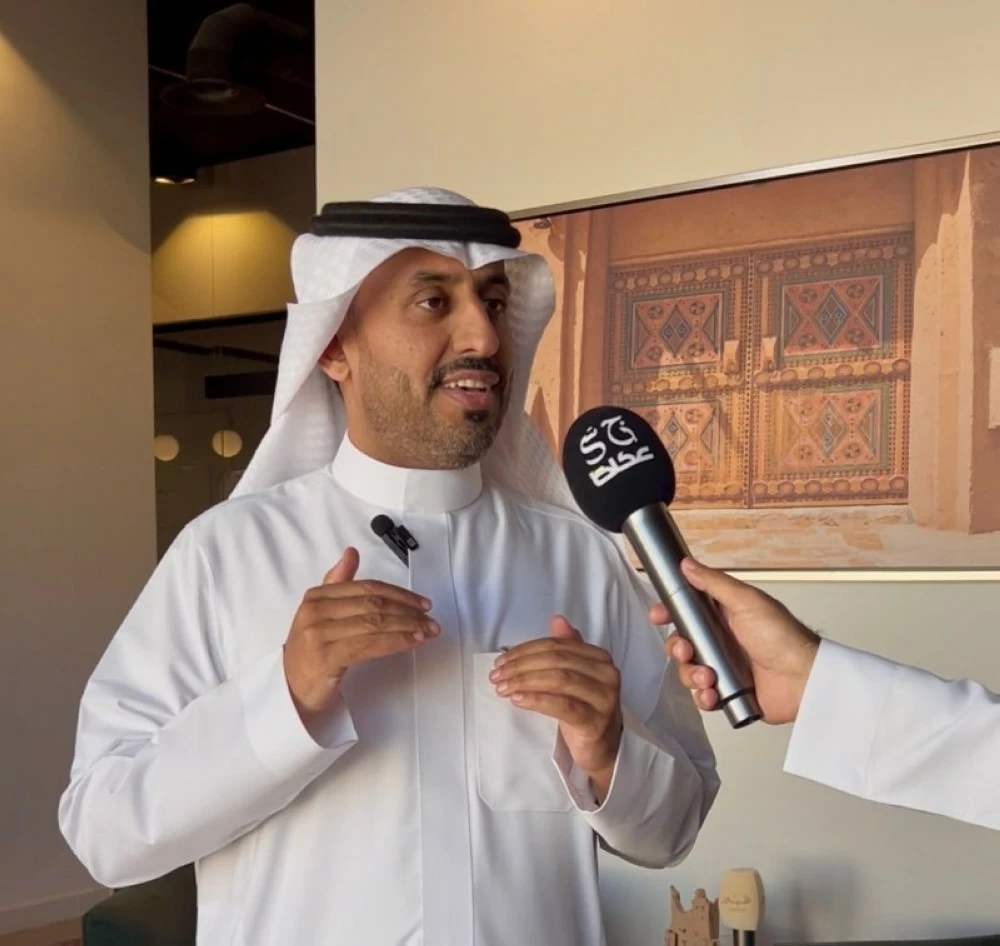
وسلط مستشار الظهور الاعلامي الدكتور ماجد جعفر الغامدي الضوء على منهجيات الإعداد للظهور، كاشفاً أبرز الأخطاء الشائعة، وآليات التقييم الحديثة، ودور المستشار الإعلامي في صناعة رسالة متّزنة، إضافة إلى رؤيته حول الاستثمار في الظهور الإعلامي.
وقال إن «الظهور الإعلامي» لم يعد اجتهاداً فردياً أو مهارة شخصية، بل تحوّل إلى أداة مدروسة تُسهم في صناعة الوعي، إذ تؤكد المعايير تعزيز الشفافية ووضوح التواصل ورفع كفاءة الأداء.
وانعكس هذا التوجه في عدد من المبادرات الحكومية، مثل المؤتمر الصحفي للتواصل الحكومي، الذي رسّخ نموذجاً للتواصل المباشر مع الرأي العام، إلى جانب تفعيل دور المتحدثين.
تردد في إبداء المعلومة
عن أبرز الأخطاء الشائعة التي يقع فيها البعض أثناء الظهور الإعلامي، رغم امتلاكهم محتوى قوياً، يرى الغامدي أن الأخطاء لا تتعلق بجوهر الرسالة، وإنما بطريقة تقديمها وإدارتها اتصالياً. وتبدأ من عدم الدقة في تحديد هدف الظهور، وعدم التركيز على رسائل واضحة، وعدم استخدام نماذج بناء المحتوى المناسب للسياق والجمهور، ويُعد التحدث بلغة فنية تقنية تفصيلية لا تراعي مستوى الجمهور العام من أكثر الأخطاء شيوعاً، والتي قد تؤدي إلى فجوة في الفهم للجمهور، وإضعاف الثقة بكفاءته.
كما يقع البعض في أخطاء الأداء للرسالة، مثل غياب التوافق بين الرسالة اللفظية ولغة الجسد أو النبرة «أكثر ما يزعجني الأداء المتردد عند تقديم المعلومة القوية التي تحتاج أصلاً إلى إبهار في الأداء والتقديم حتى تصنع الأثر».
غياب نجم الشمال
ماجد الغامدي.
يتابع الغامدي: من أكبر الأخطاء التي تؤثر على سمعة المتحدث في الجهاز الإعلامي عدم وجود ما نسميه بـ«نجم الشمال»، وهو تحديد اتجاه لبوصلة الظهور؛ فكل ظهور يُفترض أن يكون مرتبطاً بإستراتيجية تواصل كبرى تمثّل الجهة، فلا يمكن التعامل مع الظهور بوصفه موقفاً عابراً، لا جزءاً من إستراتيجية تواصل مستمرة، أو الاكتفاء بالردود التفاعلية بدلاً من وجود رسائل مُعدّة بشكل مسبق، خصوصاً في القضايا المهمة.
ومن المنهجيات المهنية أو العلمية الأبرز المستخدمة حالياً في تقييم الظهور الإعلامي للقيادات والتنفيذيين انتقل تقييم الظهور من الانطباع الشخصي إلى القياس المنهجي القائم على مؤشرات واضحة.
ومن أهم هذه المقاييس مقياس تحليل الخطاب ونماذج تقييم الحضور التنفيذي وأدوات القياس الكمي للتأثير، مثل تحليل التفاعل الجماهيري، ومؤشرات الثقة، ونبرة التغطية الإعلامية قبل وبعد الظهور، إضافة إلى تقييم المخاطر الاتصالية.
تناسق لغة الجسد
ومن خلال تجارب العمل مع عدد من المسؤولين ظهر تأثير التدريب والمحاكاة في رفع مستوى تأثير الظهور، سواءً على المستوى المحلي أو العالمي، إذ يزداد وضوح الرسالة وتناسق لغة الجسد والأداء الصوتي.
ويرى الغامدي أن الحفاظ على اتساق الخطاب الإعلامي برغم تعدد المنصات يكون من خلال إستراتيجية واضحة، تقوم على بناء علامة شخصية مهنية، وتحديد الدور الاتصالي، ومواءمة الخطاب مع هوية الجهة، بما يمنع التكرار والتناقض ويعزز الصورة الذهنية المقصودة، ويتولى المستشار وفريق الاتصال المؤسسي قراءة السياق، وبناء الرسائل، وتقييم المخاطر، وتقديم التغذية الراجعة، بينما يبقى القرار النهائي ونبرة الحديث مسؤولية شخصية، فالاستثمار في إعداد وتقييم الظهور يُعد جزءاً أساسياً من الحوكمة، ويسهم في بناء الثقة وإدارة الرأي العام بوعي، خصوصاً في ظل تسارع الأحداث وقدرة الإعلام على تشكيل الصورة خلال دقائق.
With the expansion of media influence and the diversity of communication platforms, the presence of some individuals in the media landscape has become a crucial element in conveying institutional messages, explaining positions, and enhancing the audience's trust. The act of appearing before the public is no longer limited to the transmission of information; it has become a practice that requires professional preparation, strategic planning, and continuous evaluation of impact.
Media appearance consultant Dr. Majid Jafar Al-Ghamdi shed light on the methodologies for preparing for appearances, revealing the most common mistakes, modern evaluation mechanisms, and the role of the media consultant in crafting a balanced message, in addition to his vision regarding investment in media appearances.
He stated that "media appearance" is no longer an individual endeavor or a personal skill; rather, it has transformed into a studied tool that contributes to the creation of awareness, as the standards emphasize enhancing transparency, clarity of communication, and improving performance efficiency.
This trend has been reflected in several government initiatives, such as the press conference for government communication, which established a model for direct communication with public opinion, alongside activating the role of spokespersons.
Hesitation in Providing Information
Regarding the most common mistakes made by some during media appearances, despite possessing strong content, Al-Ghamdi believes that the errors are not related to the essence of the message but rather to the way it is presented and managed communicatively. These mistakes begin with a lack of precision in defining the purpose of the appearance, not focusing on clear messages, and failing to use appropriate content-building models for the context and audience. Speaking in a detailed technical language that does not consider the general audience's level is one of the most common mistakes, which can lead to a gap in understanding among the audience and weaken their trust in the speaker's competence.
Some also fall into performance errors regarding the message, such as the lack of alignment between the verbal message and body language or tone. "What bothers me most is hesitant performance when presenting strong information that actually requires impressive delivery to create an impact."
Absence of the North Star
ماجد الغامدي.
Al-Ghamdi continues: One of the biggest mistakes that affect the speaker's reputation in the media apparatus is the absence of what we call the "North Star," which is determining a direction for the appearance's compass; every appearance should be linked to a larger communication strategy representing the entity. It is not possible to treat an appearance as a fleeting situation, nor as part of a continuous communication strategy, or to rely solely on reactive responses instead of having pre-prepared messages, especially on important issues.
Among the most prominent professional or scientific methodologies currently used to evaluate media appearances of leaders and executives, the evaluation of appearances has shifted from personal impressions to systematic measurement based on clear indicators.
Some of the most important of these metrics include discourse analysis, models for evaluating executive presence, and quantitative measurement tools for impact, such as analyzing public interaction, trust indicators, and the tone of media coverage before and after the appearance, in addition to evaluating communication risks.
Consistency of Body Language
Through experiences working with several officials, the impact of training and simulation on enhancing the effectiveness of appearances has emerged, both at the local and global levels, as the clarity of the message and the consistency of body language and vocal performance increase.
Al-Ghamdi believes that maintaining consistency in media discourse despite the diversity of platforms is achieved through a clear strategy based on building a professional personal brand, defining the communication role, and aligning the discourse with the entity's identity, which prevents repetition and contradiction and enhances the intended mental image. The consultant and the corporate communication team are responsible for reading the context, building messages, assessing risks, and providing feedback, while the final decision and tone of speech remain a personal responsibility. Investing in the preparation and evaluation of appearances is considered an essential part of governance and contributes to building trust and managing public opinion consciously, especially in light of the rapid pace of events and the media's ability to shape perceptions within minutes.