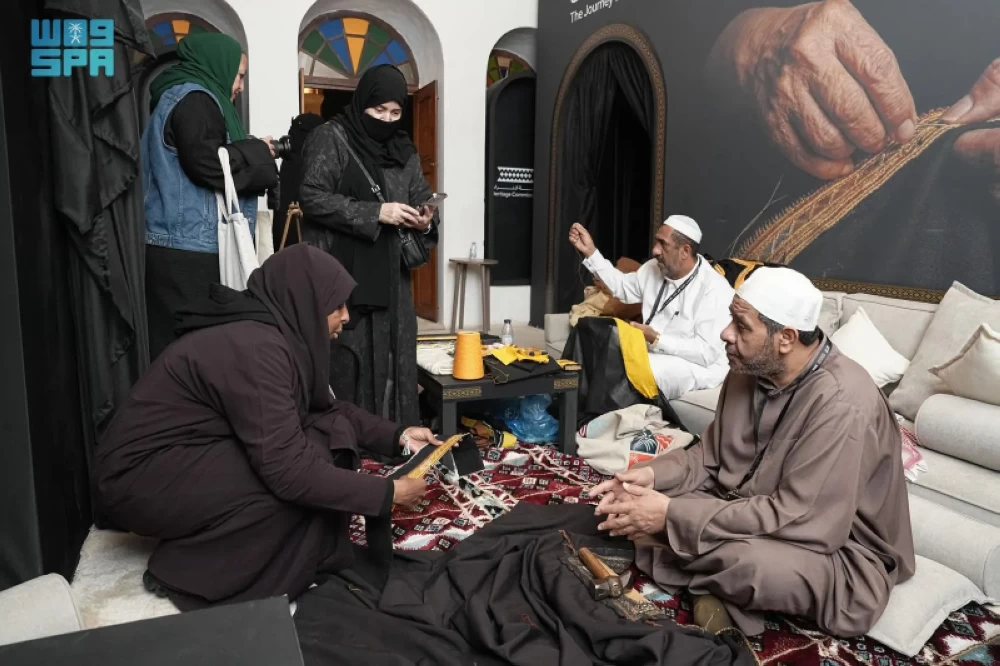
اختتمت هيئة التراث مهرجان «البشت الحساوي» بتوافد آلاف الزوار والمعجبين من مختلف دول الخليج والدول العربية. وتأتي هذه النسخة من المهرجان متزامنة مع تسجيل «البشت» رسمياً ضمن القائمة التمثيلية للتراث غير المادي «اليونسكو»
ونجح المهرجان في تسليط الضوء على قصة تحول صناعة البشت من حرفة محلية دقيقة إلى تراث إنساني عالمي، وعكس المهرجان عمق الصناعات التقليدية التي اشتهرت بها الأحساء منذ القدم، مبرزاً مهارة العوائل الأحسائية التي توارثت حرفة حياكة البشوت جيلاً بعد جيل، بدءاً من اختيار الأقمشة وصولاً إلى التطريز اليدوي الدقيق. وقدمت ساحات قصر إبراهيم تجربة حسية وافتراضية متطورة تتيح للزوار الغوص في تفاصيل هذه الصناعة وفي لفتة تعزز من استدامة الهوية الوطنية، خصص المهرجان مساحات نوعية مثل «بيت الدفة النسائية» للتعريف بالعباءة التقليدية، وركن «المعزب الصغير» الذي قدم للأطفال جرعات تراثية مكثفة عبر مسرحيات الظل والقصص والتدريب اليدوي لضمان انتقال شعلة التراث إلى الأجيال القادمة.
The Heritage Authority concluded the "Al-Hasa Bisht Festival" with the arrival of thousands of visitors and fans from various Gulf and Arab countries. This edition of the festival coincides with the official registration of the "bisht" on the UNESCO Representative List of the Intangible Cultural Heritage of Humanity.
The festival successfully highlighted the story of the transformation of the bisht industry from a precise local craft to a global human heritage, reflecting the depth of the traditional industries that Al-Ahsa has been known for since ancient times. It showcased the skills of Al-Ahsa families who have inherited the craft of bisht weaving from generation to generation, from selecting fabrics to intricate hand embroidery. The courtyards of Ibrahim Palace provided an advanced sensory and virtual experience that allowed visitors to dive into the details of this industry. In a gesture that enhances the sustainability of national identity, the festival allocated special spaces such as the "Women's Dafa House" to introduce the traditional abaya, and the "Little Host" corner, which offered children intensive heritage doses through shadow plays, stories, and hands-on training to ensure the torch of heritage is passed on to future generations.