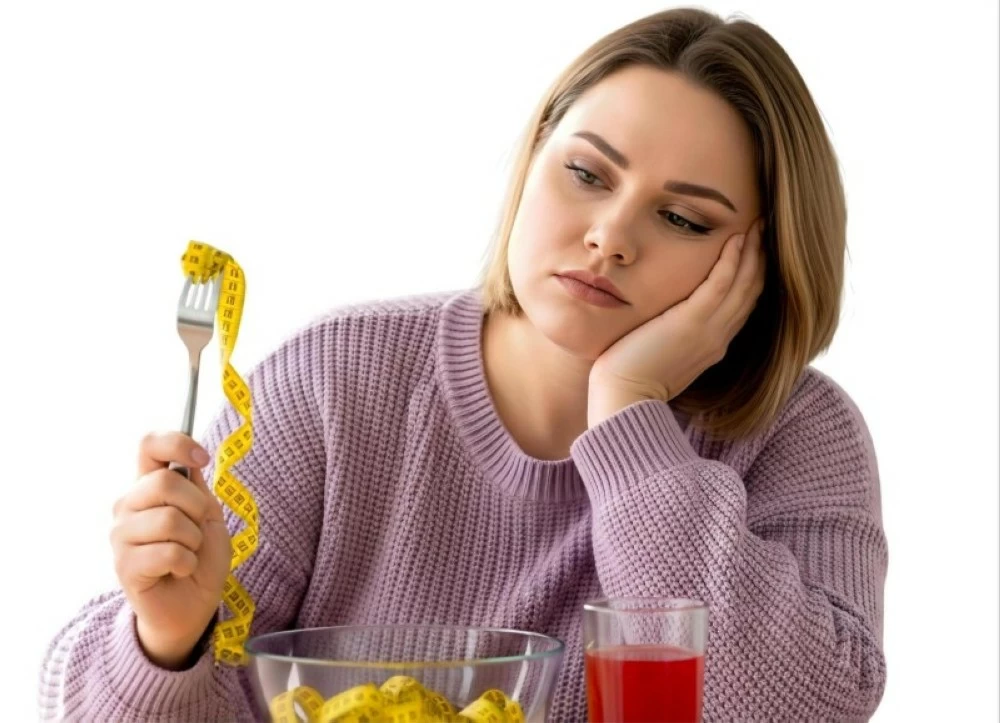
إلى وقت قريب، كان يُنظرُ إلى زيادة الوزن على أنها دليل رفاهية، ومعيار وجاهة، وفي ظل ما تبثه اليوم وسائل التواصل من نصائح ونتائج تسهم في الرشاقة بسبب اتباع نظام حمية (ريجيم) أو وصفات شعبيّة تحقق الوزن المثالي في زمن قياسي، تزايدت أعداد تُجّار النحافة، وغدت الوصفات (العشوائية) تهدد حياة الإنسان؛ وتدمّر أجساد المهووسين بإنقاص الوزن؛ ما يستدعي تدخل جهات رقابية، وتقديم برامج توعوية لإنقاذ حياة الناس، بعدم التسليم لكل مدعٍ نجاعة وصفته؛ فهناك وصفات سامة، وهناك أعشاب مدمرة.
وفي ظل محاربة السمنة، والتوجه نحو حرق السعرات، استضفنا عدداً من الاستشاريين لسماع وجهات نظر الطب، ومناقشة تداعيات وأثر تجار النحافة الذين لا يرون في العِلم والطب مرجعيّةً لهم؛ بل التجارب؛ التي ذهب ضحيتها -حسب مصدر خاص- أحد التربويين في مدينة جدة، إذ تقبّل فكرة التداوي من محلات العطارة، واستمرأ الوصفات، إلى حد الإصابة بفشل كلوي، ثم انتقل إلى رحمة الله. ويؤكد الفنان خالد الصاوي أنه تعرّض لأزمة صحية بسبب (حقن التنحيف) عطّلت جهازه الهضمي، وتسببت في متاعب دخل على إثرها إلى المستشفى بحسب ما قاله في (مقابلة تلفزيونية أخيرة).
اضطرابات وسمنة
يرى الاستشاري النفسي الدكتور سلطان مشرف، أن القضية لها علاقة باضطرابات الأكل وبالسمنة؛ إذ هناك أمراض منها فقدان الشهية العصابي، أو الشره العصابي، أو النهم، ومتلازمة الأكل الليلي، ويؤكد أوّلاً على تحديد معاييرها، والتدخل العلاجي، إثر ذلك، عبر علاج تكاملي بين أطباء الباطنة، وأخصائيي التغذية؛ والعلاج النفسي، ولفت إلى ضرورة تشخيص حالة الشخص، والتأكد هل يعاني من السمنة، بحسب الكتلة، وهل هي سمنة مرضيّة، ومتى يبدأ التدخل العلاجي لمساعدة المصاب بها، وذهب إلى أنّ التدخل أحياناً مرتبط بالإصابة بأمراض مرتبطة بالسمنة منها السكري، وضغط الدم المرتفع، وخشونة المفاصل، ويدعو إلى أن يتم التشخيص عن طريق تقييم طبي من أطباء علاج السمنة، لافتاً إلى أنّ هناك تقنيات واستراتيجيات منها الحمية، ونمط غذائي، وبعض العقاقير والإبر إذا لزم الأمر، إضافة إلى العمليات الجراحية، وعدّ الإشكالية متمثلةً في اللجوء للتقنية أو الاستراتيجية للعمليات والوصفات إما دون حاجة، أو دون استشارات طبية؛ لتحديد مستوى السمنة والخطورة، مضيفاً أن الخطة العلاجية لا بد أن تكون عبر مسار طبي وبصورة مقننة، دون ترك باب الاجتهادات مفتوحاً بلا ضوابط ولا ضرورة؛ لافتاً إلى ضرورة نشر الوعي بأهمية الرياضة، والتغذية الصحية؛ لتفادي السمنة وما تترتب عليها من معالجات خاطئة.
البحث عن أدلة علمية
يؤكد استشاري جراحة المناظير الدكتور حسن عثمان الزندي، أن تجارب الأعشاب ليس لها أي اعتبار إن لم تكن مدعمة بأدلة علمية موثوقة، مشيراً إلى أنّ ما ينفع شخصاً ربما يضر بآخر، ويمكن التسبب في أضرار على المدى البعيد أو عند أشخاص معينين، وقال: «باعتباري مختصاً، لا أؤمن بالخلطات التي ليست مبنية على دراسات علمية وربما لا تنقص الدهون بل تؤثر على الكتلة العضلية وتؤثر نفسياً وهرمونياً وتسبب اضطرابات أخرى»، مؤكداً أن المسؤولية مسؤولية الجميع من الجهات الصحية والرقابية والمختصين، إضافة إلى رفع ثقافة الأفراد كون إنقاص الوزن والوصول إلى الرشاقة ليس حمية فقط بل يعتمد على عوامل عدة؛ منها: الرياضة وتحسين الحالة النفسية، وكل ذلك يتفاوت من شخص إلى آخر بحسب احتياجه.
التكامل العلاجي ضرورة
يذهب الاستشاري النفسي الدكتور محمد الحامد، إلى أن هاجس النحافة والاهتمام المتزايد بنزول الوزن بصورة تتجاوز الحدود الطبيعية يدخلان ضمن دائرة الهوس بالصحة، والجمال، والرياضة؛ وأرجع الهوس إلى الانفتاح وتوفر المعلومات في زمن قياسي، وكون المعرفة والمعلومات تصبح في متناول اليد بضغطة زر، لافتاً إلى ضرورة قياس معدل كتلة الجسم، إذ لو نزلت الكتلة عن 18.5 فهناك إشكالية كونه وضعاً غير صحي، وربما كانت الحالة تعاني اضطرابات الأكل بسبب الريجيم القاسي، ويرى أن الوصول إلى الخوف المرضي من زيادة الوزن ربما يتسبب في فقدان الشهية العصبي، إلى درجة أن البعض وبرغم نحافته، يعتقد أن وزنه زائد، وحينها تغدو الحالة مُلزمة لزيارة الطبيب النفسي؛ لما يترتب عليها من أمراض عضوية في القلب، وربما تفضي للوفاة، فيما هناك أمراض بسبب الحرمان من الطعام؛ منها نقص الحديد؛ وفقر الدم وتساقط الشعر، لافتاً إلى أن البعض يقع في مشكلة الشره الأكلي، ولمكافحة زيادة الوزن يجنح للاستفراغ والرياضة المُرهِقة.
وصفات ليست آمنة
يرى استشاري الجهاز الهضمي الدكتور محمد سعد، أن بعض الأعشاب الطبيعية ربما تسهم في تخفيف الوزن؛ ومنها الشاي الأخضر، والزنجييل، والقرفة، لافتاً إلى أن المشكلة تكمن في الوصفات التجارية التي ربما تحتوي على مكونات غير معروفة ويكون لها تأثير ضار على الكبد أو الكلى، إضافة إلى عدم ثبوت فاعليتها -كما قال-. ويؤكد أستاذ الطب الباطني الدكتور سلطان التمياط أنه لا توجد وصفات للرشاقة والنحافة، بل علاجات متعارف عليها ومقبولة عالمياً منها (حقن المونجارو) و(أوزيمبيك)، إلا أن لها ما لها وعليها ما عليها، وأضاف التمياط: القرار تحدده حاجة الشخص ومدى قدرته أو فشله في إنقاص الوزن بالطرق المتعارف عليها (الحمية الغذائية وممارسة الرياضة).
كلوا واشربوا ولا تسرفوا
ترى أخصائية التغذية عزيزة الغامدي، أن بناء الجسم بالإسراف في الطعام، وتناول ما لذّ وطاب يهدد حياة الإنسان، ويتسبب في تعطيل نشاطه، ولا بد من التوازن في الوجبات، وخلق تكامل بين النشويّات والبروتينات والسكريات، والحرص على منهج الهدي القرآني (وكلوا واشربوا ولا تسرفوا) إضافة إلى الحركة، وانتظام الوقت بين الوجبات، والنوم المريح ليلاً.
Until recently, being overweight was seen as a sign of prosperity and a standard of prestige. However, with the advice and results shared by social media today that contribute to fitness through following diet plans or popular recipes that achieve ideal weight in record time, the number of slimness merchants has increased. Random recipes now threaten human lives and destroy the bodies of those obsessed with losing weight; this calls for intervention from regulatory bodies and the implementation of awareness programs to save lives by not trusting every claim of effectiveness from a recipe, as there are toxic recipes and harmful herbs.
In the fight against obesity and the trend towards burning calories, we hosted several consultants to hear the perspectives of medicine and discuss the repercussions and impact of slimness merchants who do not see science and medicine as a reference for them; rather, they rely on experiences. According to a private source, one educator in Jeddah accepted the idea of treating himself with products from herbal shops and continued to trust these recipes to the point of suffering from kidney failure, eventually passing away. Artist Khaled El Sawy confirms that he faced a health crisis due to (slimming injections) that disrupted his digestive system and caused complications that led him to the hospital, as he stated in a recent television interview.
Disorders and Obesity
Psychological consultant Dr. Sultan Musharaf believes that the issue is related to eating disorders and obesity; there are diseases such as anorexia nervosa, bulimia nervosa, binge eating, and night eating syndrome. He emphasizes the need to define their criteria and to intervene therapeutically through an integrated treatment approach involving internal medicine doctors, nutrition specialists, and psychological therapy. He pointed out the necessity of diagnosing the individual's condition and confirming whether they suffer from obesity based on body mass index, whether it is pathological obesity, and when to begin therapeutic intervention to assist those affected. He noted that intervention is sometimes linked to diseases associated with obesity, such as diabetes, high blood pressure, and joint stiffness. He calls for diagnosis through medical evaluation by obesity treatment specialists, highlighting that there are techniques and strategies including diet, nutritional patterns, and some medications or injections if necessary, in addition to surgical operations. He considers the problem to lie in resorting to techniques or strategies for operations and recipes either without need or without medical consultations to determine the level of obesity and risk, adding that the treatment plan must be through a medical pathway and in a regulated manner, without leaving the door open for unregulated practices; emphasizing the need to raise awareness about the importance of exercise and healthy nutrition to avoid obesity and the resulting incorrect treatments.
Searching for Scientific Evidence
Consultant laparoscopic surgeon Dr. Hassan Othman Al-Zendi confirms that herbal experiments hold no value unless supported by reliable scientific evidence, pointing out that what benefits one person may harm another and can cause long-term damage or affect certain individuals. He stated: "As a specialist, I do not believe in mixtures that are not based on scientific studies and may not reduce fat but rather affect muscle mass and have psychological and hormonal effects, causing other disorders." He emphasized that the responsibility lies with everyone, including health and regulatory bodies and specialists, in addition to raising individual awareness since losing weight and achieving fitness is not just about dieting but depends on several factors, including exercise and improving mental health, all of which vary from person to person based on their needs.
Integrated Treatment is Essential
Psychological consultant Dr. Mohammed Al-Hamid believes that the obsession with thinness and the increasing concern about weight loss beyond natural limits fall within the realm of health, beauty, and fitness obsession. He attributes this obsession to the openness and availability of information in a short time, as knowledge and information become accessible at the click of a button. He pointed out the necessity of measuring body mass index; if the index falls below 18.5, there is a problem as it indicates an unhealthy condition, and the individual may suffer from eating disorders due to strict dieting. He believes that reaching a pathological fear of weight gain may lead to anorexia nervosa, to the extent that some, despite their thinness, believe they are overweight, which then necessitates a visit to a psychiatrist due to the resulting organic diseases in the heart, potentially leading to death. Additionally, there are diseases caused by food deprivation, such as iron deficiency, anemia, and hair loss. He noted that some fall into the problem of binge eating, and to combat weight gain, they resort to vomiting and exhausting exercise.
Recipes That Are Not Safe
Gastroenterology consultant Dr. Mohammed Saad believes that some natural herbs may contribute to weight loss, including green tea, ginger, and cinnamon. He pointed out that the problem lies in commercial recipes that may contain unknown ingredients and have harmful effects on the liver or kidneys, in addition to the lack of proven effectiveness, as he stated. Internal medicine professor Dr. Sultan Al-Tamiyat confirmed that there are no recipes for fitness and slimness, but rather globally recognized and accepted treatments, including (Mounjaro injections) and (Ozempic), although they have their pros and cons. Al-Tamiyat added: The decision is determined by the individual's needs and their ability or failure to lose weight through recognized methods (diet and exercise).
Eat and Drink, But Do Not Waste
Nutrition specialist Aziza Al-Ghamdi believes that building the body through excessive eating and consuming whatever is delicious threatens human life and disrupts activity. There must be balance in meals, creating integration between carbohydrates, proteins, and sugars, while adhering to the Quranic guidance (Eat and drink, but do not waste) in addition to movement, regular timing between meals, and comfortable sleep at night.