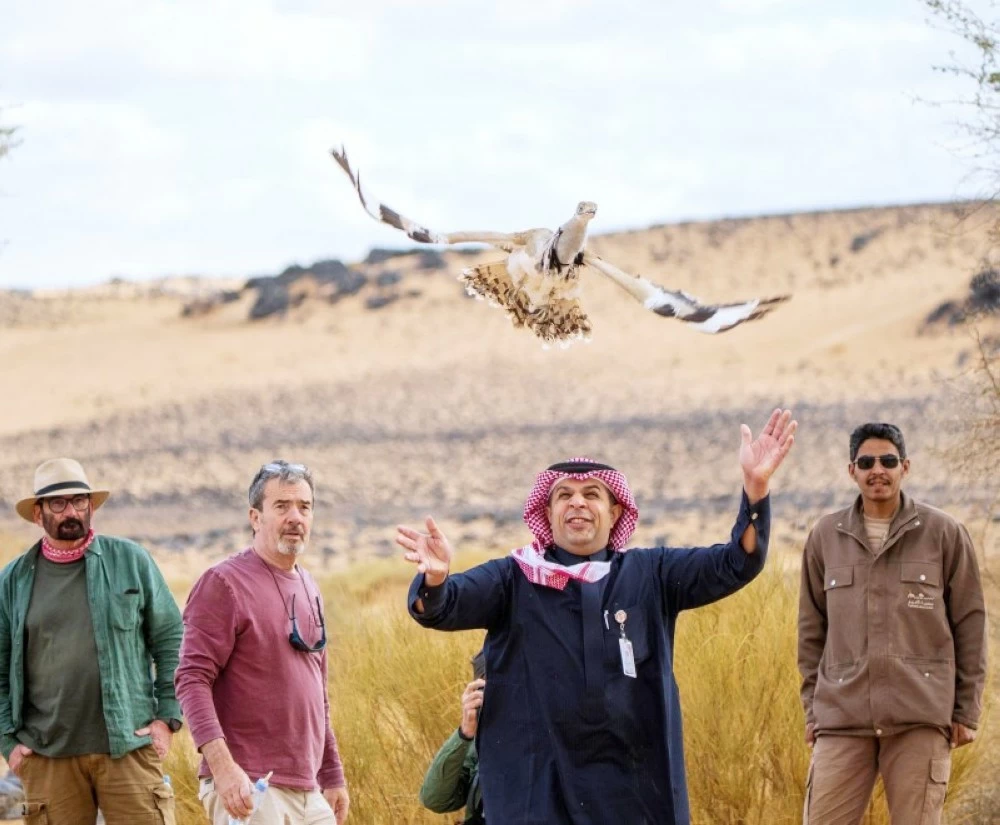
أعادت محمية الأمير محمد بن سلمان الملكية، توطين طائر الحبارى الآسيوي في المحمية، بعد غياب دام أكثر من 35 عاماً عن المحمية، وذلك في إطار مساعيها لإعادة الحياة الفطرية في شبه الجزيرة العربية.
وتأتي هذه الخطوة في إطار نهج مُجدّد قائم على أسس علمية للحفاظ على طائر لطالما شكّل جزءاً من الحياة الثقافية في شبه الجزيرة العربية على مدى آلاف السنين.
وجرى إطلاق 20 طائر حبارى داخل محمية الأمير محمد بن سلمان الملكية، في إطار التعاون المستمر بين المحمية، والمركز الوطني لتنمية الحياة الفطرية، ومؤسسة الأمير محمد بن سلمان للحفاظ على الحبارى؛ الذي يهدف إلى إنشاء مجموعات برية مستدامة من طيور الحبارى الآسيوية في المملكة.
واعتاد هذا النوع على التكاثر بأعداد كبيرة في المملكة، بينما كانت الطيور المهاجرة تقضي فصل الشتاء في أنحاء واسعة من شبه الجزيرة العربية.
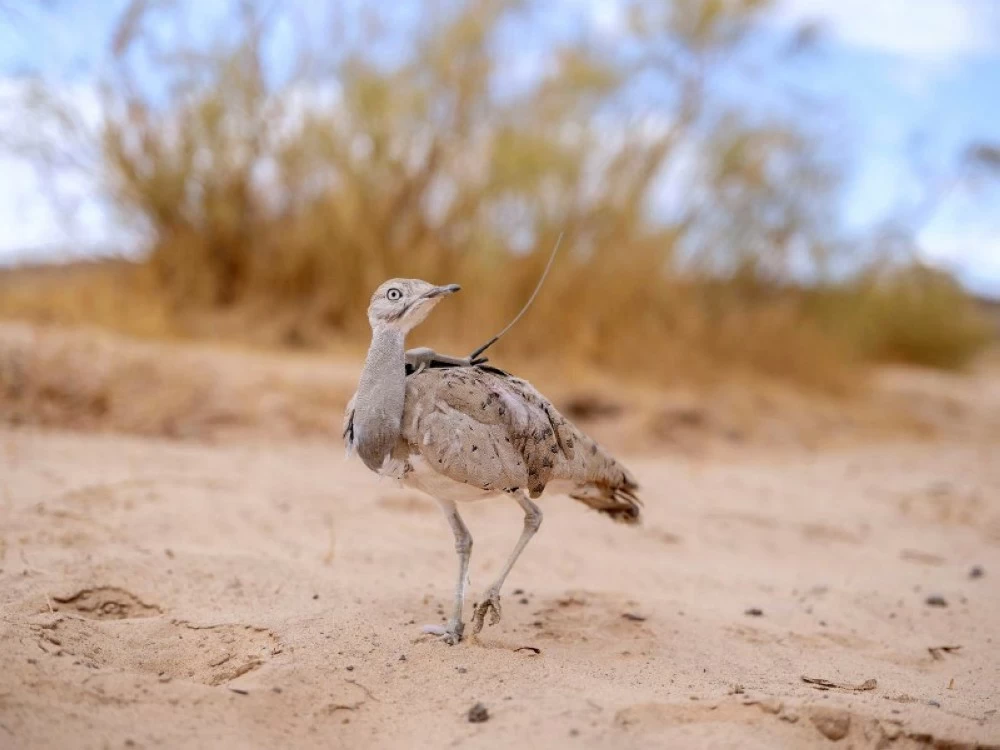
وأوضح الرئيس التنفيذي لمؤسسة الأمير محمد بن سلمان للحفاظ على الحبارى أوليفييه كومبرو، أنه تم تزويد 10 طيور بأجهزة تتبع عبر الأقمار الصناعية؛ ما يوفر بيانات أساسية حول قدرة الطيور التي أُعيد توطينها على الحياة في البرية، وأنماط حركتها، واستخدامها للموائل، والتهديدات التي تواجهها، مشيراً إلى أنه ستجري الاستفادة من هذه المعلومات في عمليات الإطلاق المستقبلية، ولزيادة أعداد الطيور على المدى الطويل في المملكة والمنطقة.
The Prince Mohammed bin Salman Royal Reserve has reintroduced the Asian Houbara Bustard to the reserve after an absence of more than 35 years, as part of its efforts to restore wildlife in the Arabian Peninsula.
This step is part of a renewed approach based on scientific foundations to preserve a bird that has long been a part of the cultural life in the Arabian Peninsula for thousands of years.
Twenty Houbara Bustards were released within the Prince Mohammed bin Salman Royal Reserve, as part of the ongoing collaboration between the reserve, the National Center for Wildlife Development, and the Prince Mohammed bin Salman Foundation for Houbara Conservation; which aims to establish sustainable wild populations of Asian Houbara Bustards in the Kingdom.
This species was accustomed to breeding in large numbers in the Kingdom, while migratory birds would spend the winter across vast areas of the Arabian Peninsula.
Olivier Combreau, the CEO of the Prince Mohammed bin Salman Foundation for Houbara Conservation, explained that 10 birds have been equipped with satellite tracking devices; providing essential data on the ability of the reintroduced birds to survive in the wild, their movement patterns, habitat use, and the threats they face, noting that this information will be utilized in future release operations and to increase bird populations in the Kingdom and the region in the long term.