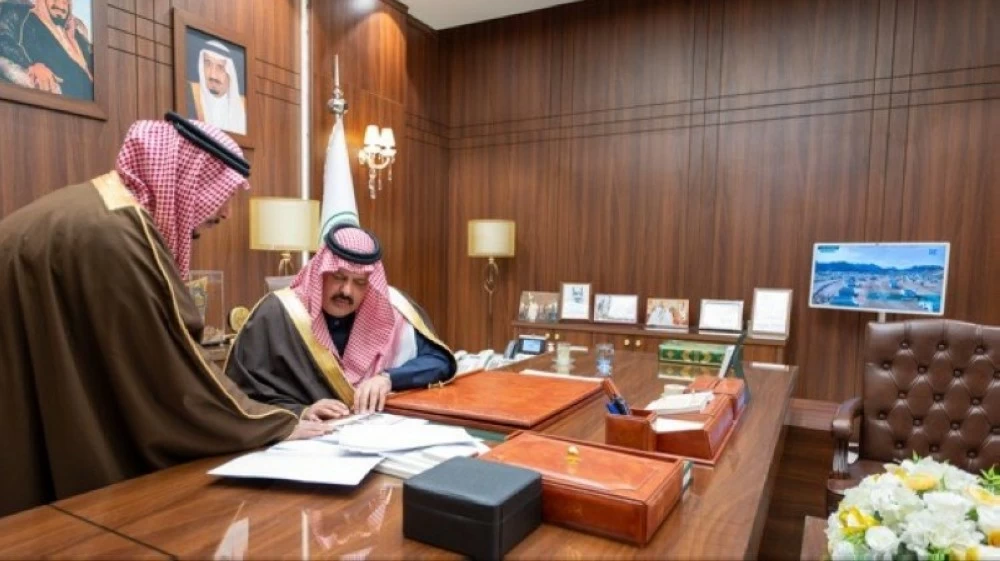
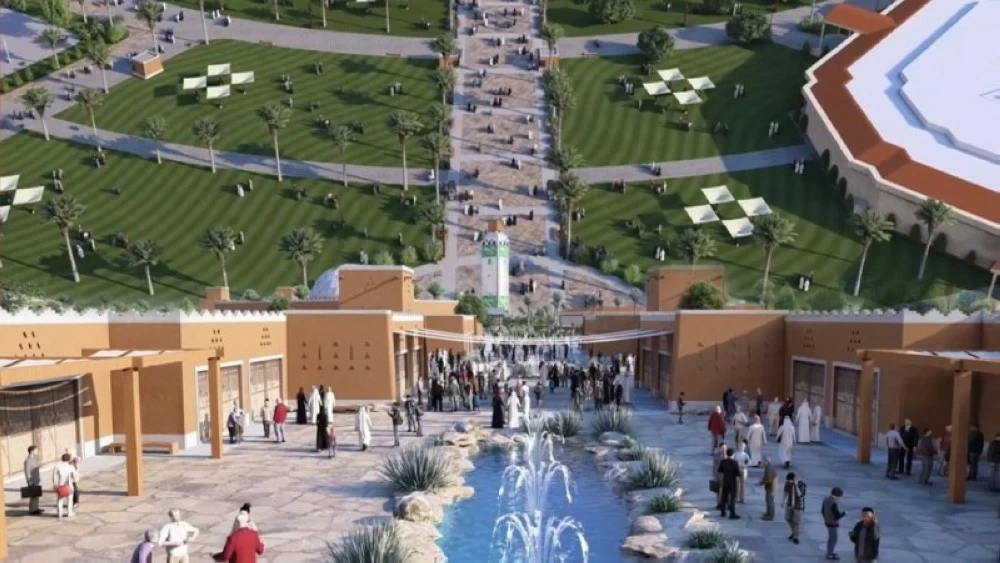
في مكتبه، تُدار المشاريع كمسارات زمنية ومؤشرات أداء ونقاط تسليم، حيث يواصل الأمير عبدالعزيز بن سعد بن عبدالعزيز إدارة ملف التنمية في منطقة حائل، وتتحوّل المتابعة إلى ممارسة تشغيلية يومية، ويُبنى القرار من داخل التفاصيل التنفيذية. هذا النهج يتجسّد بوضوح في مشروع المنطقة المركزية (سنتر مدينة حائل)، أحد أبرز مشاريع جودة الحياة في قلب المدينة، الذي بلغت نسبة الإنجاز فيه 60٪ بحسب إمارة منطقة حائل.
المشروع يُدار بوصفه أصلاً حضرياً واقتصادياً يعيد تعريف وظيفة وسط المدينة، مع تركيز على رفع كثافة الاستخدام اليومي وتحويل المركز إلى نقطة جذب للسكان والزوار. الاجتماعات التنفيذية تركّز على سلاسل الإنجاز المرتبطة بـ«السنتر»، بما يشمل تحديث نسب التقدّم، ضبط الجداول الزمنية، ومطابقة التنفيذ مع المخططات المعتمدة. كل مرحلة تُقاس بأثرها على الحركة اليومية، والنشاط التجاري، والجاذبية السياحية، ضمن ارتباط مباشر بمستهدفات البرامج الوطنية.
إدارة المشروع تسير ضمن إطار حوكمة يوازن بين سرعة الإنجاز والانضباط التشغيلي ومراحل التنفيذ تُراجع بنداً بنداً، وتُدار عناصر السلامة المرورية وصيانة الطرق وتحسين المشهد الحضري كحزم متكاملة تخدم قلب المدينة وتدعم استمرارية الحركة أثناء التنفيذ. الدقة تمثّل أداة إنجاز، وتُدار التفاصيل التشغيلية بعناية تشمل اعتماد مراحل واضحة، وتسريع اختبارات تشغيلية، ومعالجة الملاحظات الميدانية في وقتها، بما يرفع كفاءة الإنفاق ويحسّن توقيت التسليم.
تجارب مراكز المدن في فلورنسا وبرشلونة وكيوتو تُظهر أن نجاح الوسط الحضري يقوم على إدارة الهوية والحركة والاقتصاد اليومي كمنظومة واحدة. في هذا السياق، يتقدّم «سنتر مدينة حائل» كنموذج محلي يوظّف هذا المنطق وفق خصوصية المكان، عبر تفعيل الهوية العمرانية، ومسارات المشاة، والفراغات العامة وربطها بالأحياء المحيطة.
استناداً إلى نماذج تشغيل مماثلة، يُتوقع أن يسهم المشروع بعد اكتماله في رفع عدد الزوار بنطاق 25-40٪ وزيادة زمن بقاء الزائر بنحو 30٪ مع نمو الإنفاق المحلي في نطاق «السنتر» بنسبة 20-35٪ ومع بلوغ 60٪ إنجازاً، تدخل المنطقة المركزية مرحلة التحول إلى محرّك حضري واقتصادي متسق مع مستهدفات رؤية المملكة 2030.
In his office, projects are managed as timelines, performance indicators, and delivery points, where Prince Abdulaziz bin Saud bin Abdulaziz continues to oversee the development file in the Hail region. Monitoring transforms into a daily operational practice, and decisions are built from within the execution details. This approach is clearly embodied in the Central Area Project (Hail City Center), one of the most prominent quality of life projects in the heart of the city, which has reached a completion rate of 60% according to the Hail Region Emirate.
The project is managed as an urban and economic asset that redefines the function of the city center, with a focus on increasing daily usage density and transforming the center into a point of attraction for residents and visitors. Executive meetings focus on the achievement chains related to the "center," including updating progress rates, adjusting timelines, and aligning execution with approved plans. Each phase is measured by its impact on daily movement, commercial activity, and tourist appeal, in direct connection with the targets of national programs.
The project management operates within a governance framework that balances speed of execution with operational discipline, and implementation stages are reviewed item by item. Traffic safety elements, road maintenance, and urban scene improvement are managed as integrated packages that serve the heart of the city and support the continuity of movement during execution. Precision represents a tool for achievement, and operational details are managed carefully, including the adoption of clear phases, accelerating operational tests, and addressing field observations in a timely manner, thereby enhancing spending efficiency and improving delivery timing.
Experiences from city centers in Florence, Barcelona, and Kyoto show that the success of urban centers relies on managing identity, movement, and daily economy as a single system. In this context, the "Hail City Center" emerges as a local model that employs this logic according to the specificity of the place, by activating architectural identity, pedestrian pathways, and public spaces, and linking them to the surrounding neighborhoods.
Based on similar operational models, the project is expected, upon completion, to contribute to an increase in visitor numbers by 25-40% and a 30% increase in visitor dwell time, along with a 20-35% growth in local spending within the "center." With 60% completion, the central area enters a phase of transformation into an urban and economic driver consistent with the targets of Saudi Vision 2030.