المرضى في مركز سكري جدة:
1,600 مصاب بالنوع الأول
20,000 مصاب بالنوع الثاني
1,000
طفل مصاب
60 مصاباً استفاد من المضخة
بدأ مئات المصابين بالنوع الأول من مرض السكري يستفيدون من دعم سخي قدمته حرم ولي العهد، الأميرة سارة بنت مشهور بن عبدالعزيز، بمبلغ 10 ملايين ريال لصندوق دعم الأطفال المصابين بداء السكري من النوع الأول، بتوفر مضخات الأنسولين الحديثة بصفتها أحد الحلول العلاجية المتقدمة التي تمكّن الأطفال المصابين بداء السكري من ممارسة حياتهم اليومية بثقة وأمان، وبما يضمن تحسّن حالتهم الصحية.
وفي خطوة مهمة للتخفيف على مرضى السكري، بدأت وزارة الصحة في توفير مضخة السكري للمرضى بمركز السكر بمستشفى الملك عبدالعزيز بجدة التجمع الصحي الأول، الذين يصل عددهم لـ1,600 مصاب بالنوع الأول، فيما يصل عدد المصابين بالنوع الثاني لـ20 ألف مصاب، ويشكل الرجال الأكثرية، فيما يبلغ عدد الأطفال 1,000 مصاب.
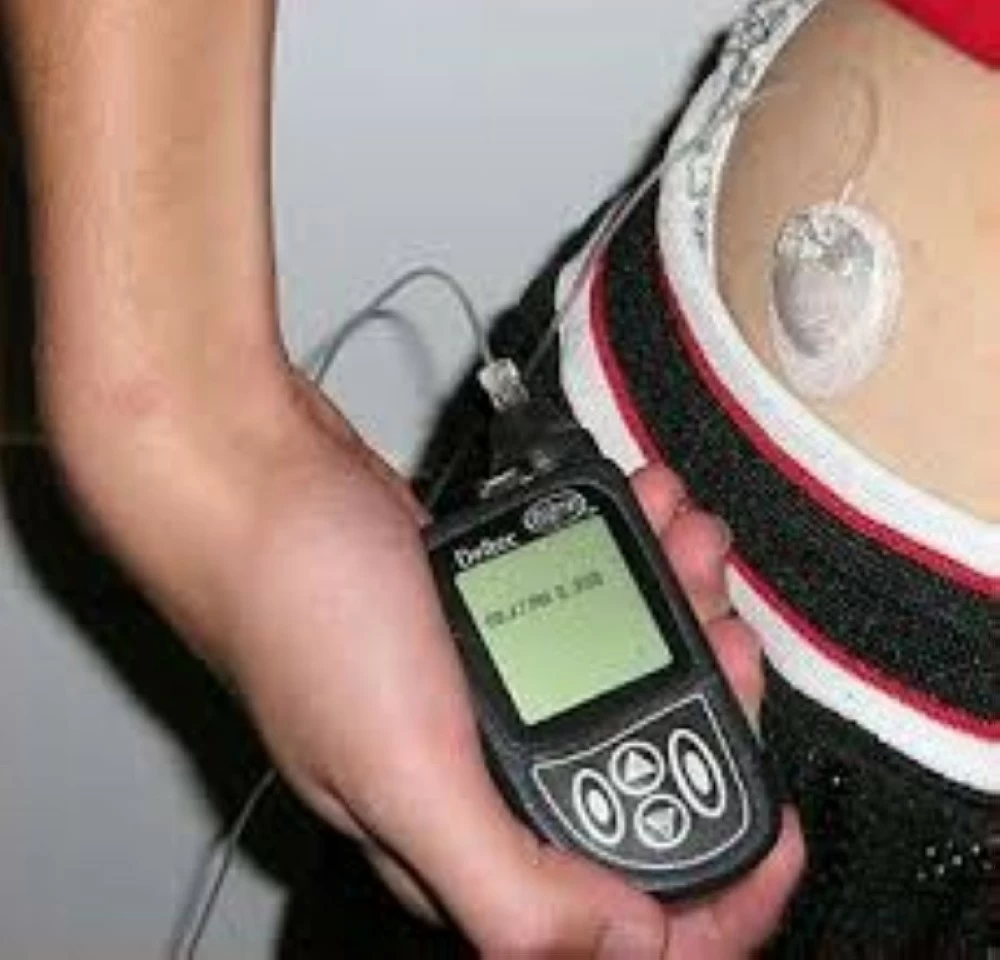
أوضح ذلك لـ«عكاظ» مدير مركز السكري الدكتور سعيد يولداش، واصفاً المضخة، التي استفاد منها حتى الآن 60 مريضاً، بأنها صغيرة الحجم، ذات تكلفة عالية، يسهل حملها والتعامل معها بمختلف الأعمار، ويمكن إخفاؤها تحت الملابس وتُستخدم من قبل مرضى السكري لتزويد الجسم بالأنسولين باستمرار عبر خزان وانبوب أو دون أنبوب مباشرة. وتعمل هذه المضخة على إفراز الأنسولين سريع المفعول بشكل مستمر (قاعدي) وفي جرعات إضافية (بولس) بناءً على حاجة المريض بعد الوجبات، مما يحاكي طريقة عمل البنكرياس ويساعد في تنظيم مستويات السكر في الدم بشكل أفضل من الحقن التقليدية من خلال إيصال الأنبوب إما بالبطن أو باليد وهي نوعان: مضخة مفتوحة تقليدية تتكون من خزان وأنبوب قسطرة يوصل بالجلد، ومضخة مغلقة الحلقة لا تحتوي على أنوب وهي عبارة عن وحدة لاصقة يتم ارتداؤها مباشرة على الجلد. الدكتور يولداش أوضح أن الفرق بين المضختين هو أن مضخة الحلقة المفتوحة لا ترتبط بحساس ودون أنبوب، فيما يأتي النوع الثاني، وهي مضخة بأنبوب، ترتبط بحساس السكر ومغلقة، مشيراً إلى أن المضخة تتكون من خزان للأنسولين يتم ملؤه بانتظام لتجنب نفاد الأنسولين، والقنية وهي إبرة تعمل على توصيل الأنسولين إلى طبقة تحت الجلد، وأنبوب يقوم بنقل الأنسولين من الخزان إلى القنية لتوصيله إلى طبقة ما تحت الجلد، وأزرار تشغيل لتنظيم كمية الأنسولين التي يتم توصيلها للجسم على مدار اليوم.
التحكم في مستويات السكر
مدير مركز سكر جدة الدكتور يولداش قال: طريقة عمل مضخة الأنسولين تشابه إلى حدٍّ ما طريقة عمل البنكرياس في إفراز هرمون الأنسولين، وتساعد المرضى على التحكم في مستويات السكر، ولهذا السبب معظم مرضى السكري يفضلون استخدام مضخة الأنسولين بدلاً من الحقن اليومي، وهي تستخدم للمصابين بداء السكري من النوع الأول فيما توصف للمصابين بالنوع الثاني بحسب الحالة، ولها انعكاس نفسي كبير على مريض السكري بسبب التحكم في مستويات سكر الدم، وتسمح بتحدث أوقات الوجبات والنشاط البدني، وهي تقنية متقدمة نتيجة تعديل جرعة الأنسولين تلقائياً بناءً على مستويات الجلوكوز الحالية.
مدير مركز سكر جدة الدكتور يولداش، نصح بعدم فصل المضخة عن الجسم لأكثر من ساعة، وعدم تعرضها للماء أو رشاته والحرارة العالية حتى لا يؤثر على جودة الأنسولين، مع ضرورة تغيير أماكن تركيب الإبرة البلاستيكية (الانبوب) كل يومين إلى ثلاثة أيام.
Patients at the Jeddah Diabetes Center:
1,600 with type 1
20,000 with type 2
1,000
Children affected
60 patients benefited from the pump
Hundreds of patients with type 1 diabetes have started to benefit from generous support provided by the wife of the Crown Prince, Princess Sara bint Mashhour bin Abdulaziz, with an amount of 10 million riyals to the support fund for children with type 1 diabetes, with the availability of modern insulin pumps as one of the advanced treatment solutions that enable children with diabetes to lead their daily lives with confidence and safety, ensuring an improvement in their health condition.
In an important step to alleviate the burden on diabetes patients, the Ministry of Health has begun providing diabetes pumps for patients at the diabetes center at King Abdulaziz Hospital in Jeddah, which has a total of 1,600 patients with type 1 diabetes, while the number of patients with type 2 diabetes reaches 20,000, with men making up the majority, and the number of children is 1,000.
This was explained to "Okaz" by the director of the diabetes center, Dr. Said Yoldash, who described the pump, which has so far benefited 60 patients, as small in size, high in cost, easy to carry and handle for all ages, and can be hidden under clothing. It is used by diabetes patients to continuously supply the body with insulin through a reservoir and a tube or directly without a tube. This pump works by delivering rapid-acting insulin continuously (basal) and in additional doses (bolus) based on the patient’s needs after meals, mimicking the way the pancreas works and helping to better regulate blood sugar levels compared to traditional injections by connecting the tube either to the abdomen or the arm. There are two types: a traditional open pump consisting of a reservoir and a catheter tube connected to the skin, and a closed-loop pump that does not contain a tube and is a sticky unit worn directly on the skin. Dr. Yoldash clarified that the difference between the two pumps is that the open-loop pump is not connected to a sensor and does not have a tube, while the second type, which is the tube pump, is connected to a glucose sensor and is closed, pointing out that the pump consists of a reservoir for insulin that is regularly filled to avoid running out of insulin, a cannula which is a needle that delivers insulin to the subcutaneous layer, and a tube that transports insulin from the reservoir to the cannula to deliver it to the subcutaneous layer, along with control buttons to regulate the amount of insulin delivered to the body throughout the day.
Controlling Sugar Levels
Dr. Yoldash, the director of the Jeddah Diabetes Center, said: The way the insulin pump works is somewhat similar to the way the pancreas secretes insulin hormone, and it helps patients control their sugar levels. For this reason, most diabetes patients prefer to use the insulin pump instead of daily injections, and it is used for those with type 1 diabetes while it is prescribed for those with type 2 diabetes based on their condition. It has a significant psychological impact on diabetes patients due to the control over blood sugar levels, allowing for flexibility in meal times and physical activity. It is an advanced technology that automatically adjusts the insulin dose based on current glucose levels.
Dr. Yoldash advised not to disconnect the pump from the body for more than an hour, and to avoid exposing it to water or high heat to maintain the quality of the insulin, emphasizing the need to change the sites of the plastic needle (the tube) every two to three days.