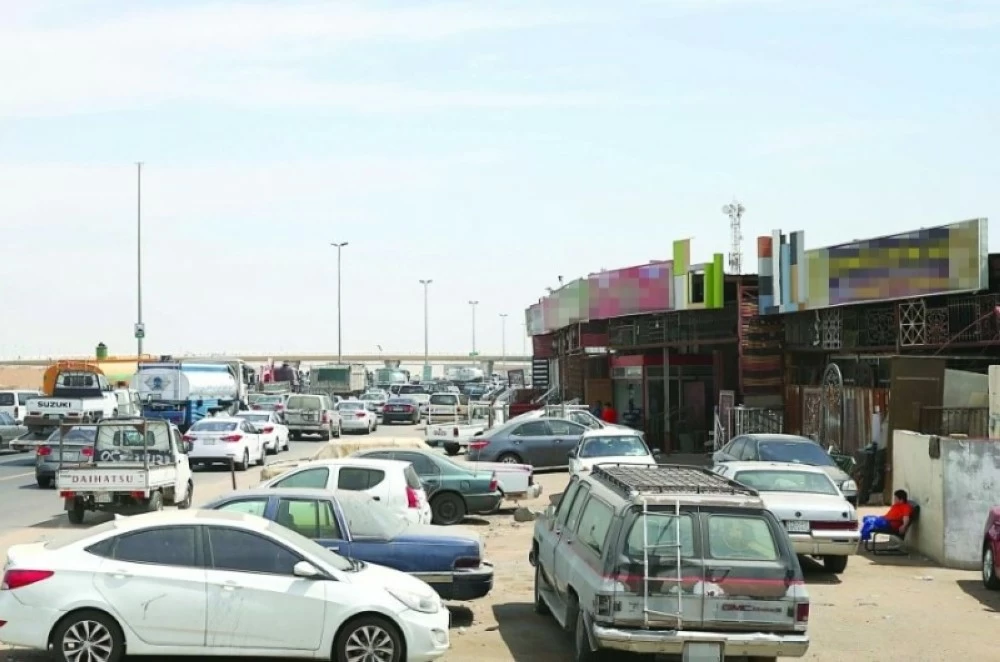
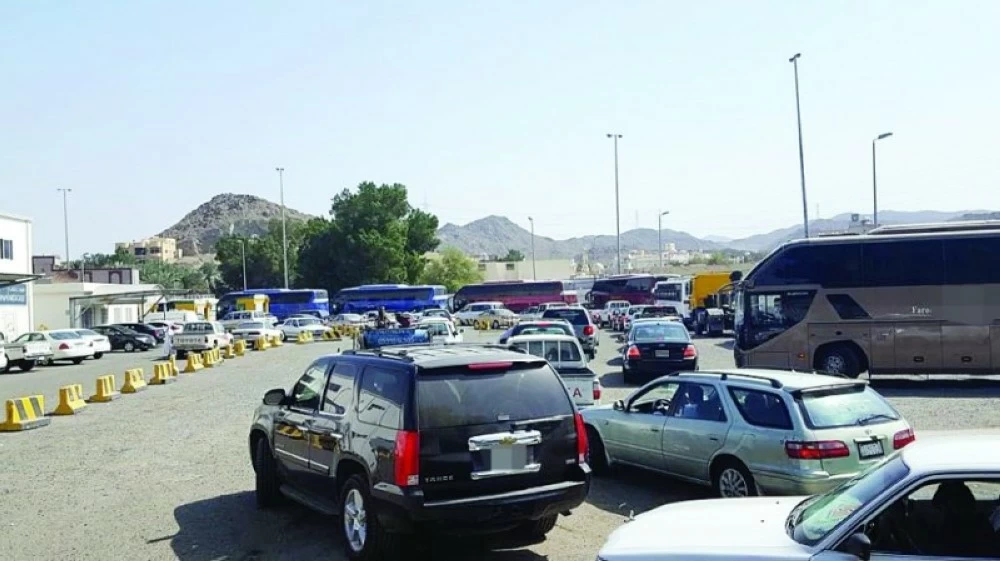
أقرت وزارة البلديات والإسكان اشتراطات تنظيمية جديدة لورش إصلاح وسائل النقل، وذلك في إطار جهودها، وذلك لتعزيز جودة الخدمات المقدمة للمستفيدين، ورفع معايير الصحة والسلامة، ومعالجة مظاهر التشوه البصري في المدن.
وأوضحت الوزارة أن الاشتراطات تلزم المستثمرين بالحصول على ترخيص عبر منصة «بلدي»، وتقديم سجل تجاري ساري المفعول يتضمن النشاط، مع اشتراط موافقة الجهات المختصة قبل مباشرة التشغيل، وتصنيف الورش وفق أنشطة رئيسية تشمل: الإصلاحات الميكانيكية والكهربائية والإلكترونية، والسمكرة والدهان، وخدمات الإطارات والزيوت، وفحص البطاريات.
اشتراطات فنية ومعمارية
وتضمنت الاشتراطات متطلبات فنية ومعمارية، أبرزها: توفير مواقع ومساحات معتمدة داخل المناطق الصناعية أو الشوارع التجارية، والالتزام بواجهات حضرية متوافقة مع الكود العمراني، وتهيئة مداخل ومواقف مخصصة، وتطبيق معايير السلامة والوقاية من الحريق، إضافة إلى تجهيز الورش بأنظمة إضاءة، وكاميرات مراقبة، ولوحات داخلية لعرض التراخيص.
وأتاحت الوزارة ممارسة بعض الأنشطة الإضافية المعتمدة وفق ضوابط محددة، من أهمها: ألا تتجاوز مساحة الأنشطة المضافة 50% من إجمالي المساحة المرخصة، وألا تقل مساحة النشاط الإضافي عن 6 أمتار مربعة، مع المحافظة على الحد الأدنى لمساحة النشاط الرئيسي، فيما يُسمح بممارسة الأنشطة المتجانسة ضمن المساحة الواردة في الترخيص.
التزام بضوابط التشغيل
وشددت الوزارة على الالتزام بالضوابط التشغيلية، التي تشمل منع إشغال الأرصفة أو المرافق العامة، والمحافظة على النظافة العامة، وإدارة النفايات والزيوت بطرق آمنة، وتوفير وسائل الدفع الإلكتروني، وخدمات مهيأة لذوي الإعاقة، إلى جانب حصول العاملين على الشهادات المهنية اللازمة لمزاولة النشاط.
وأكدت وزارة البلديات والإسكان أن هذه الاشتراطات تهدف إلى رفع كفاءة ورش إصلاح وسائل النقل، وتحقيق معايير السلامة والجودة، وتخضع للرقابة الميدانية من الجهات البلدية المختصة، بما يضمن الامتثال وتحسين البيئة العمرانية؛ دعماً لمستهدفات رؤية السعودية 2030 في تطوير المدن وجودة الحياة.
The Ministry of Municipalities and Housing has approved new regulatory requirements for vehicle repair workshops as part of its efforts to enhance the quality of services provided to beneficiaries, raise health and safety standards, and address visual distortions in cities.
The ministry clarified that the requirements obligate investors to obtain a license through the "Balady" platform and to provide a valid commercial registration that includes the activity, with the condition of obtaining approval from the relevant authorities before commencing operations. Workshops will be classified according to main activities that include: mechanical, electrical, and electronic repairs, bodywork and painting, tire and oil services, and battery testing.
Technical and Architectural Requirements
The requirements included technical and architectural demands, the most prominent of which are: providing approved locations and spaces within industrial areas or commercial streets, adhering to urban facades that comply with the building code, preparing entrances and designated parking, and applying safety and fire prevention standards. Additionally, workshops must be equipped with lighting systems, surveillance cameras, and internal boards to display licenses.
The ministry has allowed the practice of some additional approved activities under specific controls, the most important of which are: that the area of the additional activities does not exceed 50% of the total licensed area, and that the area of the additional activity is not less than 6 square meters, while maintaining the minimum area for the main activity, and homogeneous activities are allowed within the area specified in the license.
Commitment to Operational Controls
The ministry emphasized the commitment to operational controls, which include preventing the occupation of sidewalks or public facilities, maintaining public cleanliness, managing waste and oils safely, providing electronic payment methods, and offering services prepared for individuals with disabilities, in addition to ensuring that workers obtain the necessary professional certificates to practice the activity.
The Ministry of Municipalities and Housing confirmed that these requirements aim to enhance the efficiency of vehicle repair workshops, achieve safety and quality standards, and are subject to field supervision by the relevant municipal authorities, ensuring compliance and improving the urban environment; supporting the objectives of Saudi Vision 2030 in developing cities and enhancing quality of life.