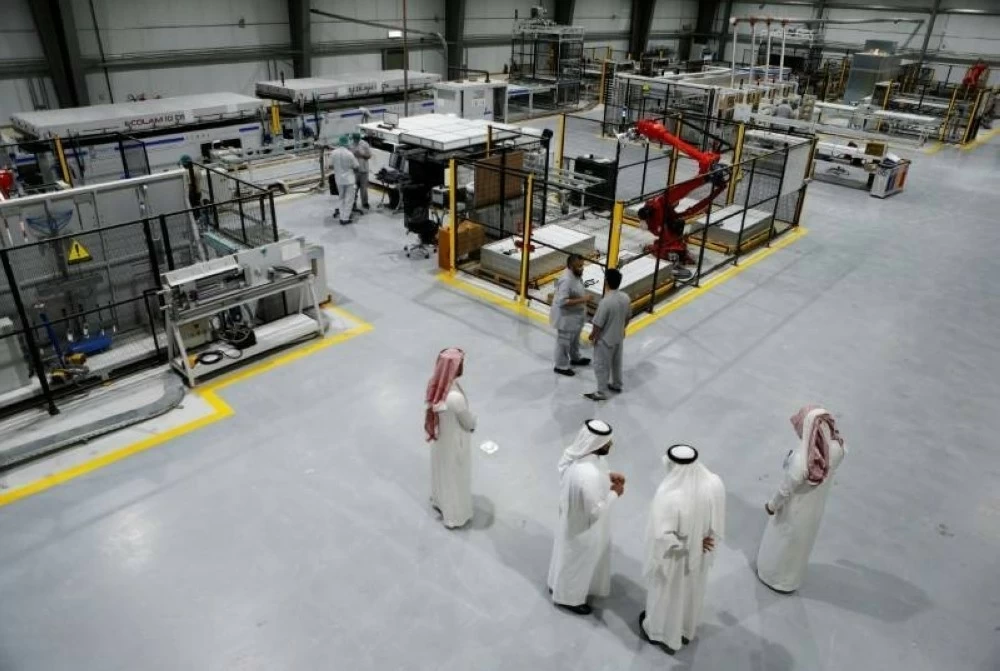
جاء قرار إلغاء المقابل المالي على العمالة الوافدة في المنشآت الصناعية المُرخصة، امتداداً للدعم والتمكين الذي يلقاه القطاع الصناعي من ولي العهد، إذ يشكّل القطاع الصناعي إحدى الركائز الأساسية في تحقيق مستهدفات رؤية السعودية 2030، ويعتبر محركاً رئيسياً للتنمية الاقتصادية في المملكة، كما يأتي القرار إيماناً بأهمية هذا القطاع الإستراتيجي، وحرصاً على استمرار النجاحات التي تحقّقت خلال فترة الإعفاء الأولى والثانية.
ويعكس هذا القرار اهتمام ولي العهد، بهذا القطاع الحيوي، وخطوة حاسمة لتعزيز تنافسية الصناعة السعودية عالمياً، وزيادة وصول الصادرات غير النفطية وانتشارها في مختلف الأسواق العالمية، وتمكين المنشآت الصناعية من الاستثمار في تطوير عملياتها وزيادة إنتاجيتها، إلى جانب دوره في توفير المزيد من فرص العمل.
فرص واعدة وبرامج وحوافز
يُعتبر القطاع الصناعي أحد القطاعات الإستراتيجية الجاذبة ضمن رؤية السعودية 2030؛ نظراً لما يتميّز به من فرص استثمارية واعدة، واهتمام حكومي واسع، والذي تمثل في إلغاء المقابل المالي على العمالة الوافدة في المنشآت الصناعية، ووجود ممكّنات محفّزة في منظومة الصناعة والثروة المعدنية تساعد على خلق قاعدة صناعية واسعة، ومواصلة النمو الاقتصادي للمملكة، وزيادة وصول الصادرات غير النفطية وانتشارها في مختلف الأسواق العالمية، وتمكين المنشآت الصناعية من الاستثمار في تطوير عملياتها وزيادة إنتاجيتها. ويأتي القرار كمحفّز لنمو المنشآت الصناعية الصغيرة والمتوسطة وتخفيف الأعباء المالية عليها، والمساهمة في ضمان استمراريتها وتطورها على المدى البعيد، لتبني تقنيات الثورة الصناعية الرابعة من أتمتة وكفاءة في الإنتاج عبر برامج وحوافز أطلقتها منظومة الصناعة ومنها برنامج مصانع المستقبل.
زيادة المصانع ونمو الوظائف
ويمثّل القرار تأكيد السعي المتواصل لتعزيز نمو قطاع الصناعة بالمملكة، مستندة إلى النجاحات التي تحقّقت خلال فترتي الإعفاء السابقة، إذ حقّق القطاع خلال الفترة من 2019 إلى نهاية 2024م، قفزات نوعية، ارتفع خلالها عدد المنشآت الصناعية من 8822 مصنعاً، إلى أكثر من 12 ألف منشأة، وزيادة القيمة الإجمالية للاستثمارات الصناعية بنسبة 35%، من 908 مليارات ريال إلى 1.22 تريليون ريال، كما سجّلت الصادرات غير النفطية نمواً بمعدل 16% مرتفعة قيمتها من 187 مليار ريال إلى 217 مليار ريال، ونمت الوظائف بنسبة 74%، من 488 ألف موظف إلى 847 ألف موظف، كما ارتفعت نسبة التوطين من 29% إلى 31%، وزاد الناتج المحلي الصناعي بمعدل 56% من 322 مليار ريال إلى أكثر من 501 مليار ريال، ولم تكن تلك المنجزات لتتحقق لولا الدعم الكبير الذي تحظى به منظومة الصناعة والثروة المعدنية من القيادة .
قوة صناعية رائدة عالمياً
يشير القرار إلى التزام السعودية بتحقيق رؤيتها في أن تصبح قوة صناعية رائدة عالمياً، بما في ذلك مضاعفة الناتج المحلي الصناعي بنحو 3 مرات، ليصل إلى 895 مليار ريال بحلول عام 2035، وطرح أكثر من 800 فرصة استثمارية بقيمة تريليون ريال، إضافة إلى تمكين الاستثمارات الدولية في مختلف الأنشطة الصناعية، وسن التشريعات التي تضمن الاستدامة والثبات.
The decision to cancel the financial fee on foreign labor in licensed industrial establishments comes as an extension of the support and empowerment that the industrial sector receives from the Crown Prince. The industrial sector is one of the fundamental pillars in achieving the objectives of Saudi Vision 2030 and is considered a major driver of economic development in the Kingdom. This decision reflects the importance of this strategic sector and aims to ensure the continuation of the successes achieved during the first and second exemption periods.
This decision reflects the Crown Prince's interest in this vital sector and is a decisive step to enhance the competitiveness of Saudi industry globally, increase the reach of non-oil exports, and spread them across various global markets. It also enables industrial establishments to invest in developing their operations and increasing their productivity, alongside its role in providing more job opportunities.
Promising Opportunities, Programs, and Incentives
The industrial sector is considered one of the attractive strategic sectors within Saudi Vision 2030 due to its promising investment opportunities and extensive government interest, which is reflected in the cancellation of the financial fee on foreign labor in industrial establishments. There are also stimulating enablers in the industrial and mineral wealth system that help create a broad industrial base, continue the economic growth of the Kingdom, increase the reach of non-oil exports, and spread them across various global markets. This decision serves as a catalyst for the growth of small and medium industrial establishments, alleviating their financial burdens and contributing to ensuring their continuity and development in the long term, adopting technologies of the Fourth Industrial Revolution through automation and production efficiency via programs and incentives launched by the industrial system, including the Future Factories Program.
Increase in Factories and Job Growth
This decision represents a confirmation of the ongoing efforts to enhance the growth of the industrial sector in the Kingdom, based on the successes achieved during the previous exemption periods. From 2019 to the end of 2024, the sector has made significant leaps, with the number of industrial establishments rising from 8,822 factories to more than 12,000 establishments, and the total value of industrial investments increasing by 35%, from 908 billion riyals to 1.22 trillion riyals. Non-oil exports recorded a growth rate of 16%, increasing in value from 187 billion riyals to 217 billion riyals, while jobs grew by 74%, from 488,000 employees to 847,000 employees. The localization rate also increased from 29% to 31%, and the industrial GDP grew by 56%, from 322 billion riyals to more than 501 billion riyals. These achievements would not have been possible without the significant support that the industrial and mineral wealth system receives from the leadership.
A Globally Leading Industrial Power
This decision indicates Saudi Arabia's commitment to achieving its vision of becoming a globally leading industrial power, including tripling the industrial GDP to reach 895 billion riyals by 2035, offering more than 800 investment opportunities worth one trillion riyals, in addition to enabling international investments in various industrial activities and enacting legislation that ensures sustainability and stability.