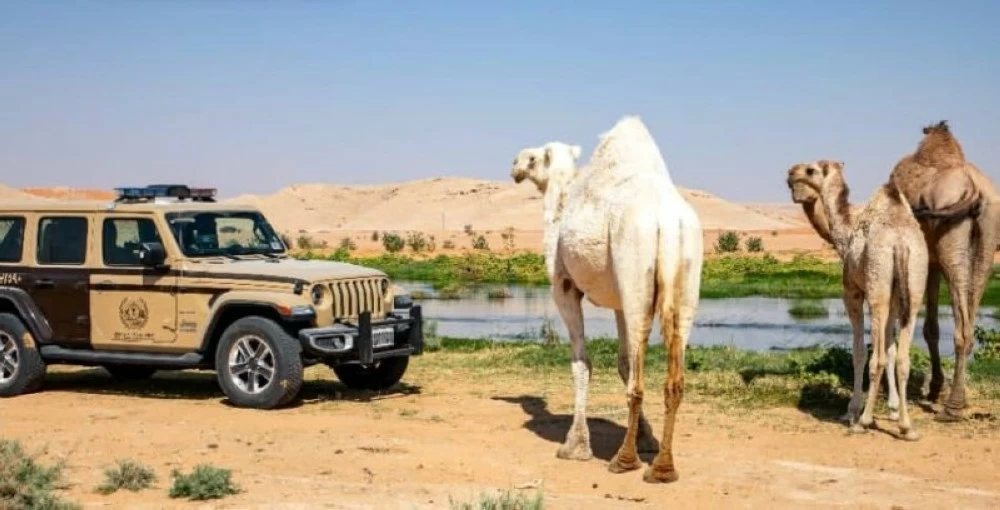
أكدت وزارة البيئة والمياه والزراعة أهمية الحد من ظاهرة الرعي الجائر، والعمل على معالجتها من خلال تكثيف الجهود الرقابية الميدانية، وزيادة الوعي المجتمعي؛ لحماية الغطاء النباتي وتعزيز استدامة الموارد الطبيعية بالمملكة وفق مستهدفات رؤية المملكة 2030.
وأشارت «البيئة» إلى أهمية تكثيف جهودها في الرقابة الميدانية، وتنظيم إصدار تراخيص الرعي، وتطبيق الأنظمة والعقوبات تجاه المخالفين، لافتة إلى أن غرامة الرعي الجائر في المناطق المحمية أو المناطق غير المخصصة للرعي تصل إلى 200 ريال لكل رأس من الإبل والأبقار، و100 ريال لكل رأس من الماشية.
ونوهت الوزارة إلى أنها تواصل برامجها التوعوية التي تستهدف أفراد المجتمع وملاك المواشي، للتعريف بممارسات الرعي السليمة، ودورها في حماية الموارد الطبيعية واستدامتها.
وأوضحت أن الرعي الجائر في مناطق الغطاء النباتي خلال موسم الشتاء يُعد أحد أبرز الممارسات التي تؤثر سلبًا على رقعة الغطاء الأخضر في المملكة، ما قد يزيد من معدلات تدهور الغطاء النباتي؛ نتيجة الضغوط المستمرة على المراعي الطبيعية، إضافة إلى إضعاف قدرة النباتات على التجدد، وزيادة معدلات التصحر في بعض المناطق.
حماية الموارد الطبيعية
يأتي ذلك ضمن مستهدفات الحملة التوعوية التي أطلقتها الوزارة تحت شعار «شتانا صح» في نسختها الثانية؛ للإسهام في تعزيز الوعي لدى أفراد المجتمع في حماية الموارد الطبيعية، والمحافظة على الغطاء النباتي، والتشجيع على تبني الممارسات المسؤولة خلال الرحلات البرية، والتنزه في الأماكن العامة؛ بما يُسهم في حماية البيئة ويضمن استدامة الموارد الطبيعية خلال موسم الشتاء.
ودعت الوزارة إلى التفاعل مع حملة «شتانا صح»، منوهة بأن الحد من الرعي الجائر يمثل خطوة محورية في حماية البيئة، ويدعم التنوع النباتي، ويقلل من تدهور التربة ومكافحة التصحر، بما ينعكس مباشرة على جودة حياة المجتمع واستدامة الموارد الطبيعية، ضمن مستهدفات رؤية المملكة 2030 الرامية إلى تعزيز الاستدامة البيئية، والمحافظة على الثروات الطبيعية.
The Ministry of Environment, Water, and Agriculture has emphasized the importance of reducing the phenomenon of overgrazing and working to address it by intensifying field monitoring efforts and increasing community awareness to protect vegetation cover and enhance the sustainability of natural resources in the Kingdom in line with the objectives of Vision 2030.
The Ministry pointed out the importance of intensifying its efforts in field monitoring, organizing the issuance of grazing licenses, and enforcing regulations and penalties against violators, noting that the fine for overgrazing in protected areas or areas not designated for grazing can reach 200 riyals for each head of camels and cattle, and 100 riyals for each head of livestock.
The Ministry also highlighted that it continues its awareness programs targeting community members and livestock owners to educate them about proper grazing practices and their role in protecting and sustaining natural resources.
It clarified that overgrazing in vegetation cover areas during the winter season is one of the most prominent practices that negatively affect the green cover in the Kingdom, which may increase the rates of vegetation degradation due to continuous pressures on natural pastures, in addition to weakening the ability of plants to regenerate and increasing desertification rates in some areas.
Protecting Natural Resources
This comes as part of the objectives of the awareness campaign launched by the Ministry under the slogan "Our Winter is Healthy" in its second edition, to contribute to enhancing community awareness in protecting natural resources, preserving vegetation cover, and encouraging responsible practices during outdoor trips and recreation in public places, which contributes to protecting the environment and ensuring the sustainability of natural resources during the winter season.
The Ministry called for interaction with the "Our Winter is Healthy" campaign, noting that reducing overgrazing is a pivotal step in protecting the environment, supporting plant diversity, and reducing soil degradation and combating desertification, which directly reflects on the quality of life in the community and the sustainability of natural resources, in line with the objectives of Vision 2030 aimed at enhancing environmental sustainability and preserving natural wealth.