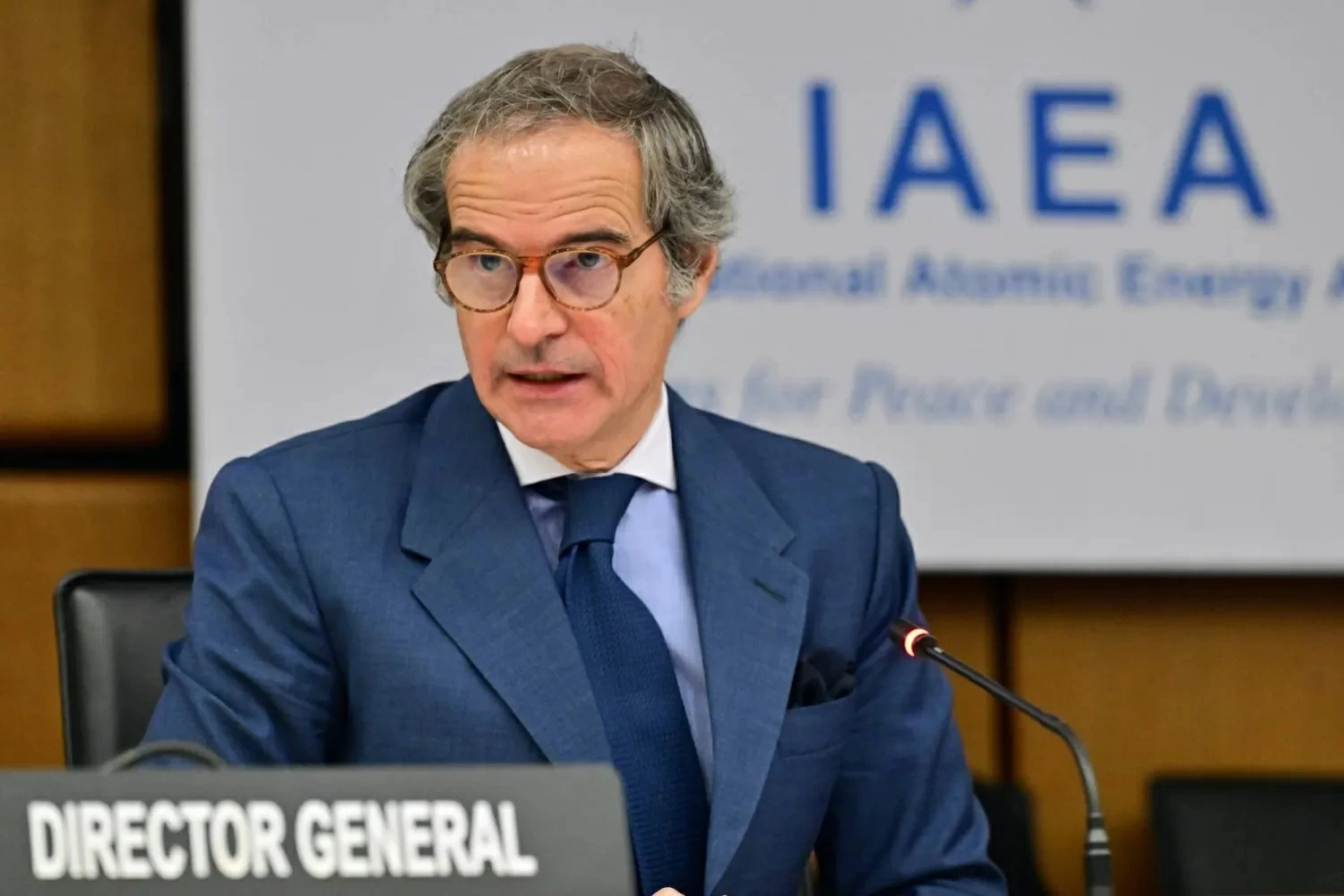
طالبت الوكالة الدولية للطاقة الذرية إيران باتخاذ خطوات تدريجية للسماح بعودة مفتشيها إلى المنشآت النووية الرئيسية، مؤكدة أن وصولهم إليها أمر أساسي.
وكشف تقرير اطلعت عليه وكالة «فرانس برس»، اليوم (الجمعة)، أن المدير العام للوكالة التابعة للأمم المتحدة يشجع إيران على النظر في تدابير تقنية وتدريجية توجد الظروف التي تسمح بعودة مفتشي الوكالة.
وأشار إلى أن من شأن هذه الخطوات التدريجية أن تمهّد الطريق أمام استئناف تنفيذ الضمانات بصورة طبيعية في إيران، وأن تسهم في تهيئة أجواء لبناء الثقة بما يساعد على التوصل إلى اتفاق أوسع نطاقاً. واستعرض التقرير الذي يناقش خلال اجتماع مجلس محافظي الوكالة الدولية للطاقة الذرية الأسبوع القادم، تفاصيل المراسلات التي جرت في الأسابيع الأخيرة بين الوكالة وإيران.
وحذر من أن عدم توافر معلومات حول اليورانيوم الإيراني المخصب وعدم تمكن الوكالة من الوصول إلى المنشآت منذ هجمات 2025، يثير مخاوف جدية تتعلق بانتشار الأسلحة النووية. وشدد على أن من الضروري للغاية أن تجري الوكالة أنشطة تحقق في إيران دون مزيد من التأخير، والوكالة لا تعرف الموقع الدقيق لمنشأة أصفهان للتخصيب ولا ما إذا كانت تحتوي على مواد نووية.
وتمنع إيران منذ يوليو 2025 زيارات مفتشي الوكالة الدولية للطاقة الذرية لمنشآتها النووية، بعد حملة القصف التي شنتها إسرائيل عليها لمدة 12 يوماً وانضمت إليها الولايات المتحدة.
وقبل الضربات في يونيو 2025، قدّرت الوكالة الدولية للطاقة الذرية أن إيران تمتلك نحو 440 كيلوغراماً من اليورانيوم المخصب بنسبة 60%، وهي نسبة تقترب من مستوى الـ 90% اللازم لصنع قنبلة نووية، وتتجاوز بكثير سقف الـ 3.67% الذي نص عليه الاتفاق المبرم عام 2015.
The International Atomic Energy Agency (IAEA) has urged Iran to take gradual steps to allow its inspectors to return to key nuclear facilities, emphasizing that their access is essential.
A report reviewed by the French news agency today (Friday) revealed that the Director General of the UN agency is encouraging Iran to consider technical and gradual measures that create conditions for the return of the agency's inspectors.
He noted that these gradual steps could pave the way for the resumption of the implementation of safeguards in a normal manner in Iran and contribute to creating an atmosphere for building trust, which would help in reaching a broader agreement. The report, which will be discussed during the upcoming meeting of the IAEA Board of Governors next week, outlined the details of the correspondence that has taken place in recent weeks between the agency and Iran.
He warned that the lack of information regarding Iranian enriched uranium and the agency's inability to access facilities since the 2025 attacks raises serious concerns related to nuclear proliferation. He stressed that it is extremely important for the agency to conduct verification activities in Iran without further delay, and the agency does not know the exact location of the Isfahan enrichment facility or whether it contains nuclear materials.
Since July 2025, Iran has prevented International Atomic Energy Agency inspectors from visiting its nuclear facilities, following a 12-day bombing campaign launched by Israel, which was joined by the United States.
Before the strikes in June 2025, the International Atomic Energy Agency estimated that Iran possessed about 440 kilograms of uranium enriched to 60%, a level close to the 90% needed to make a nuclear bomb, and far exceeding the 3.67% cap stipulated in the 2015 agreement.