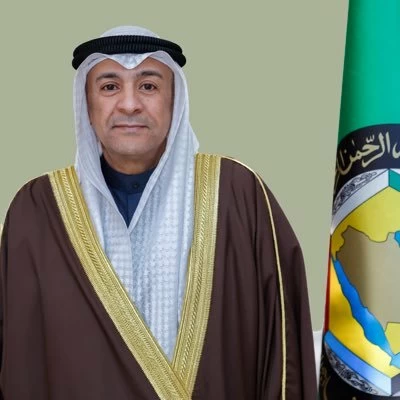
أكد الأمين العام لمجلس التعاون لدول الخليج العربية جاسم محمد البديوي أن الاعتداءات الحوثية المتواصلة على الأعيان المدنية في السعودية، إلى جانب الاعتداءات الإيرانية على دول المجلس، تستدعي تحركاً دولياً حازماً، مشدداً على أن أمن دول مجلس التعاون كل لا يتجزأ، وأن دول المجلس تحتفظ بحقها الأصيل في الدفاع عن النفس.
وأوضح البديوي أن دول مجلس التعاون تعرضت لأكثر من 7000 صاروخ وطائرة مسيّرة منذ فبراير الماضي، محمّلاً إيران المسؤولية الكاملة عن الاعتداءات التي استهدفت دول المجلس، ورافضاً التبريرات الإيرانية لهذه الهجمات، ومطالباً مجلس الأمن باتخاذ موقف لوقف الاعتداءات الإيرانية على دول المجلس والأردن.
وشدد على أن الاعتداءات تمثل انتهاكاً صارخاً لسيادة دول المجلس وأمنها، مؤكداً ضرورة تحرك المجتمع الدولي للتصدي لهذه الانتهاكات، ومطالباً إيران بوقف اعتداءاتها والكف عن دعم المليشيات المسلحة في المنطقة.
التصعيد الحوثي ضد السعودية
وفيما يتعلق بالاعتداءات الحوثية، أدان الأمين العام لمجلس التعاون استهداف مليشيا الحوثي الإرهابية المدعومة من إيران للأعيان المدنية في المملكة، مرحباً باعتماد مجلس الأمن قراراً يدين التصعيد الحوثي، ومؤكداً ضرورة اتخاذ إجراءات حازمة إزاء الجرائم التي ترتكبها المليشيا.
كما ندد بالجرائم المروعة التي تستهدف موظفي الأمم المتحدة في اليمن، داعياً مجلس الأمن إلى اتخاذ قرار واضح لمحاسبة المسؤولين عنها ووضع حد لهذه الانتهاكات.
تهديد الملاحة في البحر الأحمر
وحذر البديوي من استمرار التصعيد الحوثي وتهديد الملاحة البحرية، مديناً الاعتداءات التي تستهدف السفن التجارية في البحر الأحمر ومضيق باب المندب، ومؤكداً أن أمن الممرات البحرية الدولية مسؤولية جماعية، وأن حماية حرية الملاحة مبدأ دولي راسخ لا يجوز المساس به.
وفيما يتعلق بأي تفاهمات مستقبلية مع إيران، شدد الأمين العام لمجلس التعاون على ضرورة أن تتناول بصورة شاملة الملفات النووية والباليستية، إلى جانب أنشطة الوكلاء والمليشيات المسلحة، بما يضمن معالجة مصادر التهديد وتعزيز أمن المنطقة واستقرارها.
The Secretary-General of the Gulf Cooperation Council, Jassim Mohammed Al-Budaiwi, affirmed that the ongoing Houthi attacks on civilian targets in Saudi Arabia, along with Iranian assaults on the Council's member states, necessitate a firm international response, emphasizing that the security of the Gulf Cooperation Council countries is indivisible, and that the member states reserve their inherent right to self-defense.
Al-Budaiwi clarified that the Gulf Cooperation Council countries have been subjected to more than 7,000 missiles and drones since last February, holding Iran fully responsible for the attacks targeting the member states, rejecting Iranian justifications for these assaults, and calling on the Security Council to take a stand to stop the Iranian attacks on the Council's countries and Jordan.
He stressed that the attacks represent a blatant violation of the sovereignty and security of the Council's countries, affirming the necessity for the international community to act against these violations, and demanding that Iran cease its assaults and stop supporting armed militias in the region.
Houthi Escalation Against Saudi Arabia
Regarding the Houthi attacks, the Secretary-General of the Gulf Cooperation Council condemned the targeting of civilian facilities in the Kingdom by the Iranian-backed Houthi terrorist militia, welcoming the Security Council's adoption of a resolution condemning the Houthi escalation, and affirming the need for decisive actions regarding the crimes committed by the militia.
He also denounced the horrific crimes targeting United Nations employees in Yemen, calling on the Security Council to take a clear decision to hold those responsible accountable and to put an end to these violations.
Threat to Navigation in the Red Sea
Al-Budaiwi warned against the continued Houthi escalation and the threat to maritime navigation, condemning the attacks targeting commercial vessels in the Red Sea and the Bab el-Mandeb Strait, and affirming that the security of international maritime routes is a collective responsibility, and that protecting freedom of navigation is a fundamental international principle that must not be violated.
Regarding any future understandings with Iran, the Secretary-General of the Gulf Cooperation Council emphasized the necessity of addressing nuclear and ballistic issues comprehensively, along with the activities of proxies and armed militias, in a manner that ensures the addressing of sources of threat and enhances the security and stability of the region.