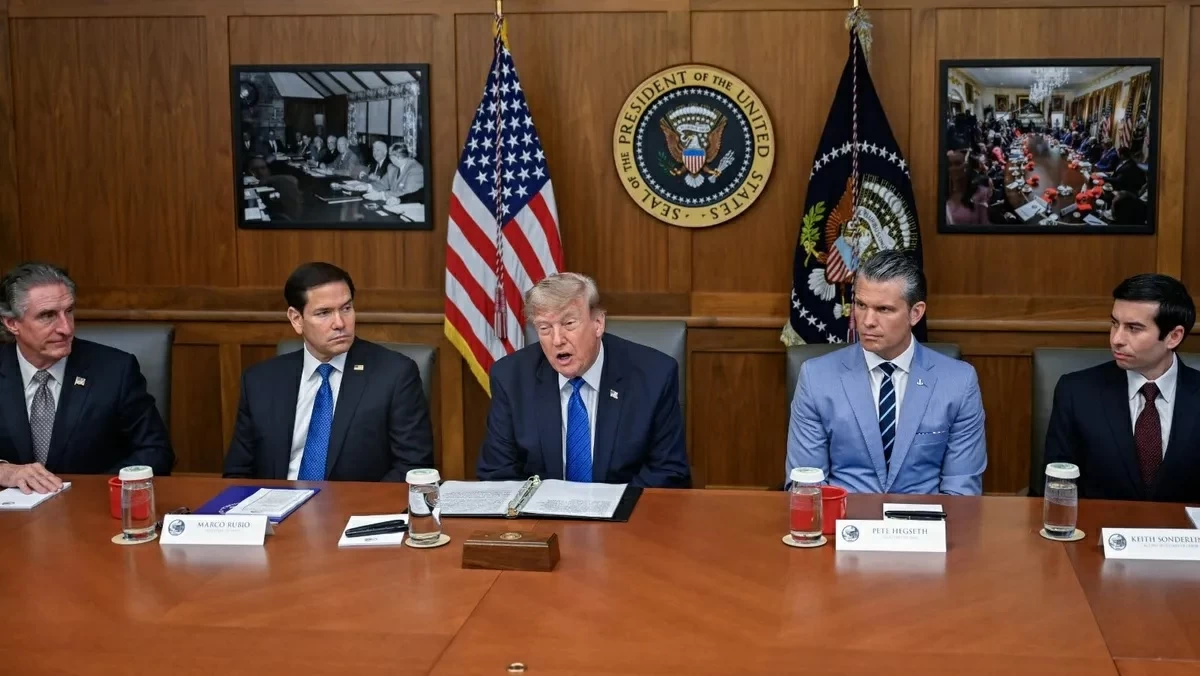
يدرس الرئيس الأمريكي دونالد ترمب خيار الإبقاء على حالة «لا سلم ولا حرب» مع إيران، في تحول جديد بمسار المواجهة بين البلدين، بعد تعثر المفاوضات وتراجع فرص التوصل إلى اتفاق نووي شامل، بالتزامن مع تصاعد التوتر في مضيق هرمز، وتبادل واشنطن وطهران ضربات محدودة تنذر باتساع رقعة التصعيد.
وأعلن الحرس الثوري الإيراني، اليوم الجمعة، استهداف وتدمير ما وصفه برادار أمريكي للإنذار المبكر، رداً على هجوم أمريكي استهدف برج اتصالات في منطقة سيريك قرب مضيق هرمز. وأفادت هيئة عمليات التجارة البحرية البريطانية بتعرض ناقلة لهجوم بمقذوف مجهول أثناء عبورها المضيق، فيما تحدث الجيش الإيراني عن اشتعال النيران في ناقلتي نفط إثر اصطدامهما بألغام بحرية شرق المضيق.
تراجع الخيارات
وقال ترمب، أمس الخميس، إنه أبلغ نائبه جي دي فانس بعدم التفاوض مع إيران، مؤكداً أن واشنطن لم تعد بحاجة إلى اتفاق معها. ويأتي ذلك رغم أن منع طهران من امتلاك سلاح نووي ظل المبرر الرئيسي الذي ساقته الإدارة الأمريكية للحرب التي اندلعت في فبراير الماضي.
ووضعت الخسائر التي تكبدها الجمهوريون في انتخابات التجديد النصفي ترمب أمام خيارات معقدة، بين استئناف الضربات العسكرية، ومواصلة الضغوط الاقتصادية والعقوبات، أو القبول باستمرار الجمود الحالي دون تسوية نهائية.
ونقلت وكالة «بلومبيرغ» عن مسؤولين ومصادر أن الإدارة الأمريكية تدرس فعلياً خفض سقف طموحاتها الدبلوماسية، في ظل غياب مسار عسكري مضمون وعدم توافر فرص حقيقية لاتفاق يحقق شروط واشنطن.
وقال المسؤول الأمريكي السابق الذي عمل على ملف الاتفاق النووي نيت سوانسون، إن الإدارة وضعت نفسها في موقف لا تتوافر فيه خيارات جيدة، محذراً من مخاطر التصعيد العسكري وصعوبة التوصل إلى اتفاق مناسب.
التهديد العسكري قائم
ورغم حديثه عن وقف التفاوض، لم يستبعد ترمب استخدام القوة مجدداً، مؤكداً أن الولايات المتحدة قد تلجأ إلى الخيار العسكري إذا اقتضت الضرورة. وحذر من أن اغتيال مسؤول أمريكي رفيع المستوى سيجعل إيران تواجه عواقب خطيرة. واعتبر أن استمرار النظام الإيراني حتى نهاية ولايته عام 2028 سيمثل هزيمة له، في إشارة إلى أن أهدافه تجاه طهران تتجاوز مجرد وقف المواجهات العسكرية.
فانس في دائرة الخلاف
وتعقد المشهد مع تراجع الدور الدبلوماسي لنائب الرئيس جي دي فانس، الذي قاد محادثات مع مسؤولين إيرانيين في باكستان خلال أبريل، وأسفرت عن مذكرة تفاهم أوقفت الحرب لفترة وجيزة قبل انهيارها.
وأفادت تقارير إيرانية بتلقي طهران رسالة من فانس لاستئناف المحادثات، فيما نفى ترمب تكليفه بهذا التواصل. وحمّل فانس تكاليف الحرب جانباً من مسؤولية خسائر الجمهوريين الانتخابية، واعتبر أن الدعوة السابقة لإنهائها كانت نصيحة صائبة.
مخاوف إقليمية
وتثير احتمالات انسحاب واشنطن دون اتفاق نووي مخاوف في المنطقة، إذ قد تصعد إيران في التعامل مع دول الجوار والممرات البحرية الحيوية.
وفي المقابل، تؤكد إدارة ترمب أن الحصار البحري والعقوبات وعملية «البوابة الحديدية» تضع طهران تحت ضغوط متزايدة. لكن مسؤولين وخبراء أمريكيين يحذرون من أن سياسة الضغط المفتوح لا يمكن أن تستمر إلى أجل غير مسمى، خصوصاً مع امتلاك إيران أوراقاً للرد، بينها استهداف القواعد الأمريكية والمصالح الإقليمية.
The American President Donald Trump is considering the option of maintaining a state of "neither peace nor war" with Iran, in a new shift in the course of confrontation between the two countries, following the stalled negotiations and the diminishing chances of reaching a comprehensive nuclear agreement, coinciding with rising tensions in the Strait of Hormuz, and the limited exchanges of strikes between Washington and Tehran that threaten to escalate the situation.
The Iranian Revolutionary Guard announced today, Friday, that it targeted and destroyed what it described as an American early warning radar, in response to an American attack that targeted a communications tower in the Sirik area near the Strait of Hormuz. The British Maritime Trade Operations reported that a tanker was attacked by an unknown projectile while crossing the strait, while the Iranian army spoke of fires breaking out on two oil tankers after they collided with naval mines east of the strait.
Declining Options
Trump stated yesterday, Thursday, that he informed his Vice President JD Vance not to negotiate with Iran, emphasizing that Washington no longer needs an agreement with them. This comes despite the fact that preventing Tehran from acquiring nuclear weapons has remained the main justification cited by the U.S. administration for the war that broke out last February.
The losses incurred by Republicans in the midterm elections have placed Trump in a complex position, between resuming military strikes, continuing economic pressures and sanctions, or accepting the continuation of the current stalemate without a final settlement.
Bloomberg reported, citing officials and sources, that the U.S. administration is actually considering lowering its diplomatic ambitions, in light of the absence of a guaranteed military path and the lack of real opportunities for an agreement that meets Washington's conditions.
Former U.S. official who worked on the nuclear agreement file, Nate Swanson, stated that the administration has put itself in a position where good options are not available, warning of the risks of military escalation and the difficulty of reaching a suitable agreement.
The Military Threat Remains
Despite his talk about halting negotiations, Trump did not rule out the use of force again, affirming that the United States may resort to military options if necessary. He warned that the assassination of a senior American official would lead Iran to face serious consequences. He considered that the continuation of the Iranian regime until the end of his term in 2028 would represent a defeat for him, indicating that his goals regarding Tehran go beyond merely stopping military confrontations.
Vance in the Circle of Dispute
The situation has become more complicated with the diminishing diplomatic role of Vice President JD Vance, who led talks with Iranian officials in Pakistan during April, resulting in a memorandum of understanding that briefly halted the war before its collapse.
Iranian reports indicated that Tehran received a message from Vance to resume talks, while Trump denied assigning him this communication. Vance attributed part of the responsibility for the Republican electoral losses to the costs of the war, considering that the previous call to end it was sound advice.
Regional Concerns
The possibility of Washington withdrawing without a nuclear agreement raises concerns in the region, as Iran may escalate its dealings with neighboring countries and vital maritime corridors.
In contrast, the Trump administration asserts that the maritime blockade, sanctions, and the "Iron Gate" operation place Tehran under increasing pressure. However, American officials and experts warn that an open pressure policy cannot continue indefinitely, especially with Iran possessing cards to respond, including targeting American bases and regional interests.