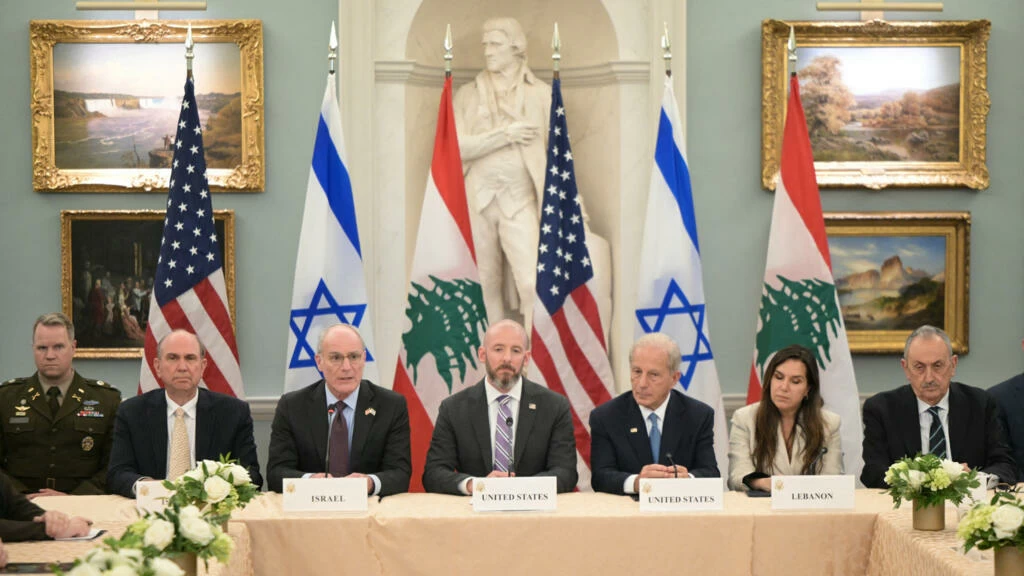
تستأنف المحادثات اللبنانية - الإسرائيلية جولتها الثانية في العاصمة الإيطالية روما، غداً (الثلاثاء)، وتمتد ثلاثة أيام، وسط انسداد سياسي وأجواء إقليمية ملبدة تفرض نفسها على جدول الأعمال.
وتأتي هذه الاجتماعات في وقت تراهن فيه الرئاسة اللبنانية على أن تترك نتائج زيارة الرئيس اللبناني جوزيف عون للبيت الأبيض أثراً إيجابياً، رغم أن المعطيات الميدانية تشير إلى بقاء المفاوضات في الحلقة نفسها دون اختراق ملموس.
تتركز التعقيدات الأساسية حول ملفين شائكين: الأول يتعلق بتحديد «المناطق التجريبية» الجديدة ضمن الخط الأصفر، حيث يُطرح اسم بلدة الخيام ذات الأهمية الإستراتيجية في القطاع الشرقي كبديل لمدينة بنت جبيل، وسط رفض إسرائيلي متواصل للتراجع أو التسليم.
أما العقدة الثانية، فتمس «آلية التحقق والمراقبة» عقب أي انسحاب مفترض. ففي حين تسعى تل أبيب للاحتفاظ بدور إشرافي مباشر، يرفض الوفد اللبناني هذا الطرح تمسكاً بالسيادة الوطنية، ما دفع نحو البحث عن طرف ثالث. ورغم استعداد إيطاليا واقتراح أسماء كبريطانيا، لا تزال إسرائيل تتحفظ على منح الدول الأوروبية أي دور رقابي.
وعلى الضفة الدبلوماسية، يترأس السفير سيمون كرم الوفد اللبناني بمشاركة السفيرة ندى حمادة ووفد عسكري موسع يقوده العميد جورج رزق الله، إلى جانب خبراء في المساحة والاقتصاد والقانون. غير أن التقييم العسكري يشير إلى غياب الزخم الأمريكي السابق، ما يجعل نتائج زيارة واشنطن ذات تأثير سياسي داخلي أكثر منه تفاوضياً مباشراً. وقد نجح هذا الحراك في إعادة ترتيب البيت الداخلي من خلال لقاء رئيس مجلس النواب نبيه بري برئيس الجمهورية، حيث غلّب بري الاعتبارات الدستورية لتثبيت الاستقرار، بالتوازي مع تلقيه رسائل عربية تربط دعم إعادة الإعمار بتحييد لبنان عن الصراعات.
ميدانياً، يخيم الاستنزاف الميداني في الجنوب على المسار السياسي برمته، حيث تُشوش الخروقات والتفجيرات الإسرائيلية اليومية على جدول أعمال التفاوض وتقلص فرص تحقيق أي خرق ملموس.
وأمام هذا الواقع، والتصلب الإسرائيلي الرافض للتنازل عن الشروط الأمنية أو التراجع عن الخط الأصفر، تنعقد جولة «روما 2» وسط محاولات لعدم إغلاق قنوات التواصل، لتظل المحادثات العسكرية والتقنية رهينة للتطورات الميدانية وبانتظار ما ستسفر عنه التوازنات الإقليمية الكبرى.
The Lebanese-Israeli talks will resume their second round in the Italian capital, Rome, tomorrow (Tuesday), and will last for three days, amidst a political deadlock and regional tensions that impose themselves on the agenda.
These meetings come at a time when the Lebanese presidency hopes that the results of Lebanese President Joseph Aoun's visit to the White House will have a positive impact, despite field data indicating that negotiations remain in the same loop without any tangible breakthrough.
The main complications focus on two contentious files: the first concerns the determination of new "experimental areas" within the blue line, where the strategically important town of Khyam is being proposed as an alternative to the city of Bint Jbeil, amidst ongoing Israeli rejection to retreat or concede.
The second obstacle pertains to the "verification and monitoring mechanism" following any supposed withdrawal. While Tel Aviv seeks to maintain a direct supervisory role, the Lebanese delegation rejects this proposal, insisting on national sovereignty, which has led to discussions about a third party. Despite Italy's readiness and the suggestion of names like Britain, Israel still hesitates to grant European countries any supervisory role.
On the diplomatic front, Ambassador Simon Karam heads the Lebanese delegation, accompanied by Ambassador Nada Hamadeh and an expanded military delegation led by Brigadier General George Rizkallah, along with experts in surveying, economics, and law. However, military assessments indicate a lack of the previous American momentum, making the results of the Washington visit have more of an internal political impact than a direct negotiating one. This movement has succeeded in rearranging the internal situation through the meeting of Speaker of the House Nabih Berri with the President, where Berri prioritized constitutional considerations to stabilize the situation, alongside receiving Arab messages linking support for reconstruction to keeping Lebanon neutral from conflicts.
On the ground, the field exhaustion in the south overshadows the entire political process, as daily Israeli violations and explosions disrupt the negotiation agenda and reduce the chances of achieving any tangible breakthrough.
In light of this reality, and the Israeli rigidity refusing to concede on security conditions or retreat from the blue line, the "Rome 2" round is convening amidst attempts to keep communication channels open, so that military and technical talks remain hostage to field developments, awaiting the outcomes of major regional balances.