وسط غموض بشأن مستقبل مذكرة التفاهم ومصير مضيق هرمز، تشهد الحرب بين الولايات المتحدة وإيران خلال هذه المرحلة تصعيداً طال منشآت البنية التحتية، مع تلويح متبادل بمزيد من الهجمات.
وصعدت الولايات المتحدة حملة القصف على إيران، ونفذت حتى الآن ضربات متواصلة على مدى أسبوع، استهدفت جسوراً عدة في محاولة لقطع طرق الإمداد إلى ميناء تشابهار، وهو الميناء الإيراني الوحيد المطل على المحيط.
وأفادت صحيفة «وول ستريت جورنال،» بأن ميناء تشابهار يتعامل مع 90% من حركة الحاويات في البلاد، وأن إيران تستخدم هذه المنشآت لشن هجمات على السفن، وفقاً لما لمسؤول أمريكي رفيع.
ونقل موقع «أكسيوس» عن مسؤول أمريكي قوله: إن الجيش قصف ما لا يقل عن 7 جسور في محيط مدينة بندر عباس، التي تعد مركزاً لعمليات الحرس الثوري في مضيق هرمز. وأضاف أن الذخائر والإمدادات والتعزيزات تمر عبر بندر عباس إلى مناطق أخرى من المضيق.
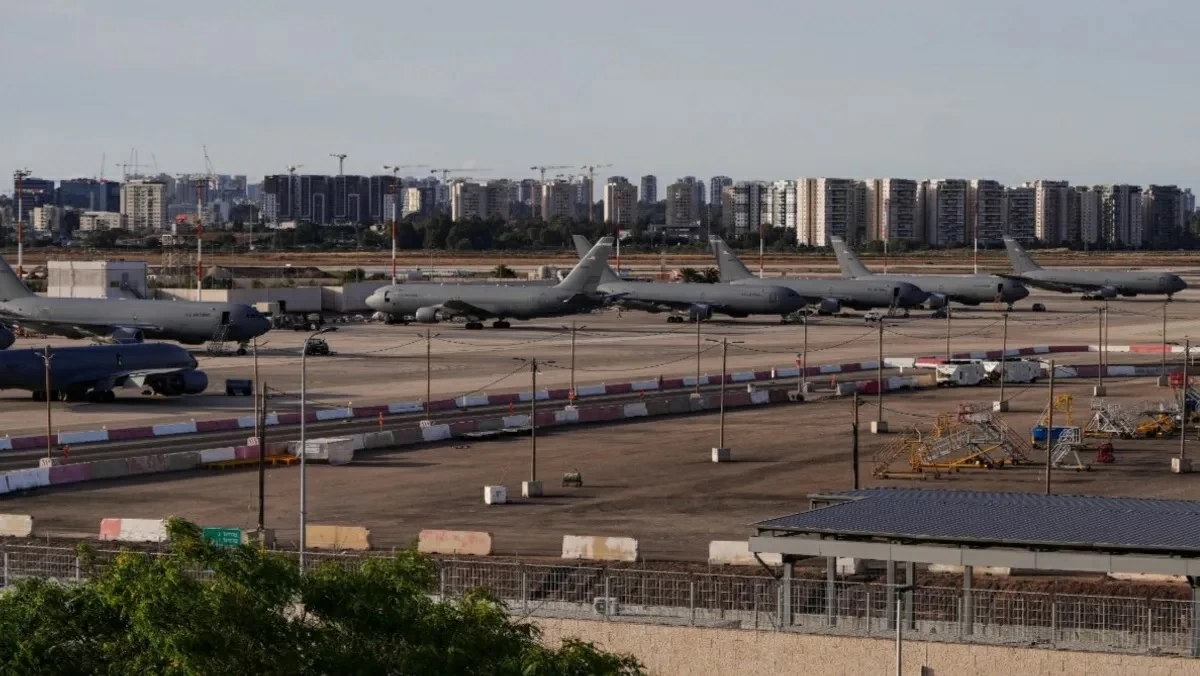
وكشف مسؤولون أمريكيون وإسرائيليون أن إدارة دونالد ترمب أبلغت إسرائيل عزمها إرسال عشرات الطائرات للتزود بالوقود الإضافية استعداداً لتوسيع محتمل للعمليات العسكرية ضد إيران، بينما يدرس الرئيس الأمريكي خيارات تصعيد قد تشمل توجيه ضربات للبنية التحتية والمنشآت النووية الإيرانية.
وحسب «أكسيوس» فإن الخيارات المطروحة تشمل قصف منشآت البنية التحتية في إيران، مثل محطات الكهرباء، وشن المزيد من الهجمات على المنشآت النووية الإيرانية بهدف دفن مخزون اليورانيوم المخَّصب على عمق أكبر، إضافة إلى قصف موقع Pickaxe Mountain (جبل الفأس) تحت الأرض، الذي يُشتبه في أنه منشأة قيد الإنشاء.
وأفصح مصدر مطلع أن بيانات تتبع الرحلات الجوية أظهرت أن الولايات المتحدة تعيد نشر طائرات مقاتلة من أوروبا إلى الشرق الأوسط.
من جانبه، قال محسن رضائي، المستشار العسكري للمرشد الإيراني، إن القوات المسلحة قد تضطر إلى تغيير استراتيجيتها وتفعيل قدراتها البرية، إذا واصلت الولايات المتحدة ما وصفه بـ«حساباتها الخاطئة»، وفق قوله.
وأضاف بحسب وكالة «تسنيم»، أن إيران تخطط لتوجيه ما وصفها بـ«الضربة النهائية» إلى من يعتبرهم معتدين، زاعماً أن طهران استغلت فترة وقف إطلاق النار خلال الأشهر الماضية في تحديد نقاط ضعفها ومعالجتها، وإعادة بناء قدراتها وتعزيز قوتها.
وكانت وكالة «تسنيم» الإيرانية للأنباء نقلت عن مصدر مطلع قوله إن سفينة ترفع علم تايلند تعرضت للاستهداف في مضيق هرمز، الجمعة، بعدما تجاهلت تحذيرات وحاولت المرور من المضيق دون الحصول على إذن من البحرية التابعة للحرس الثوري.
Amid uncertainty regarding the future of the memorandum of understanding and the fate of the Strait of Hormuz, the war between the United States and Iran is currently escalating, targeting infrastructure facilities, with mutual threats of further attacks.
The United States has intensified its bombing campaign against Iran, carrying out continuous strikes for a week, targeting several bridges in an attempt to cut supply routes to the port of Chabahar, which is Iran's only port overlooking the ocean.
The Wall Street Journal reported that the port of Chabahar handles 90% of the country's container traffic, and that Iran uses these facilities to launch attacks on ships, according to a senior American official.
Axios reported a U.S. official stating that the military has bombed at least 7 bridges around the city of Bandar Abbas, which is a center for the Revolutionary Guard's operations in the Strait of Hormuz. He added that munitions, supplies, and reinforcements pass through Bandar Abbas to other areas of the strait.
American and Israeli officials revealed that the Trump administration informed Israel of its intention to send dozens of additional refueling aircraft in preparation for a potential expansion of military operations against Iran, while the U.S. president considers escalation options that may include strikes on Iranian infrastructure and nuclear facilities.
According to Axios, the options on the table include bombing infrastructure facilities in Iran, such as power plants, and launching more attacks on Iranian nuclear facilities with the aim of burying enriched uranium stockpiles deeper, in addition to bombing the underground site known as Pickaxe Mountain, which is suspected to be an under-construction facility.
A knowledgeable source revealed that flight tracking data showed that the United States is redeploying fighter jets from Europe to the Middle East.
For his part, Mohsen Rezaei, the military advisor to the Iranian leader, stated that the armed forces may have to change their strategy and activate their ground capabilities if the United States continues what he described as "miscalculations," according to him.
He added, according to Tasnim news agency, that Iran plans to deliver what he termed the "final blow" to those it considers aggressors, claiming that Tehran has used the ceasefire period over the past months to identify and address its weaknesses, rebuild its capabilities, and strengthen its power.
The Tasnim Iranian news agency reported from a knowledgeable source that a Thai-flagged ship was targeted in the Strait of Hormuz on Friday after ignoring warnings and attempting to pass through the strait without obtaining permission from the Revolutionary Guard's navy.