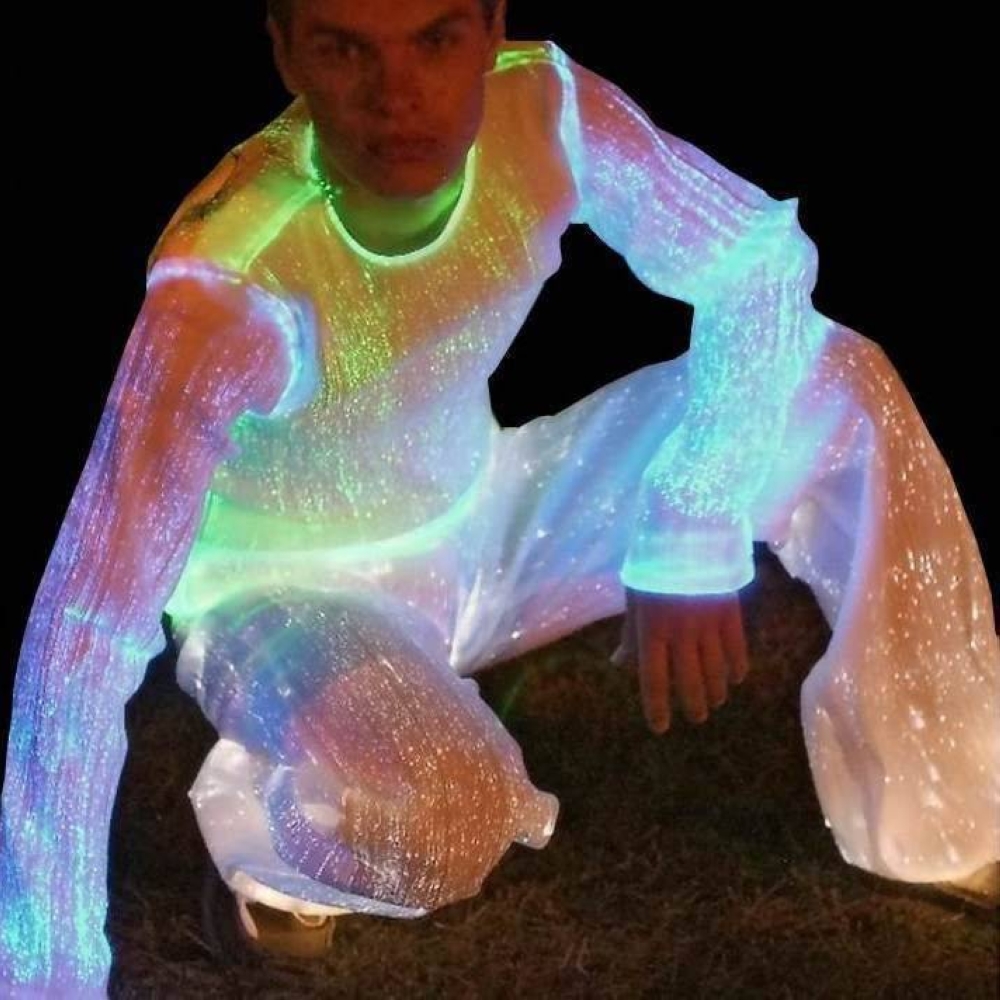
في خطوة متسارعة تعيد تعريف حدود الأزياء التقليدية، يشهد عالم الموضة في 2025 اندماجاً متزايداً بين الإبداع التصميمي والتكنولوجيا المتقدمة، مع تركيز متصاعد على الاستدامة البيئية. هذا التحوّل لا يقتصر فقط على تقديم تصاميم جديدة، بل يعيد رسم علاقة المستهلك بالمنتج نفسه، من طريقة ارتدائه إلى كيفية تصنيعه وتدويره.
العديد من دور الأزياء باتت تتبنى تقنيات ذكية، مثل الأقمشة التفاعلية التي تتغير ألوانها حسب حرارة الجسم أو ضوء الشمس، أو تلك التي تُفعّل عبر تطبيقات لتعديل الإضاءة أو تسجيل المؤشرات الحيوية. كما ظهرت الخامات المُصنّعة من الطحالب البحرية والبلاستيك المُعاد تدويره، التي تمنح القطعة مظهراً عصرياً دون الإضرار بالكوكب. ماركات كبرى مثل Stella McCartney وPangaia وPatagonia أثبتت أن الموضة يمكن أن تكون مسؤولة بيئياً وجذابة في آنٍ واحد.
في جانب آخر، تشهد التجربة الرقمية للأزياء تطوراً غير مسبوق. فبفضل تقنيات الواقع المعزز والميتافيرس، يمكن للمستخدم تجربة الملابس افتراضياً قبل شرائها، كما أن مفهوم «الأزياء الرقمية» بات واقعاً في عروض الأزياء الافتراضية ومنصات الألعاب، حيث تُباع ملابس رقمية بالكامل لا ترتدى فعلياً بل تُستخدم للتمثيل الشخصي أو تسويق البراندات في الفضاء الرقمي.
هذا التلاقي بين البيئة والتقنية يمنح الموضة بعداً جديداً يعكس تطلعات جيل يهتم بالوعي المناخي والابتكار الرقمي. في ظل هذا المشهد، لم تعد الأناقة مقتصرة على الشكل فقط، بل أصبحت مرتبطة بالقيم، والتكنولوجيا، وذكاء الاستخدام ليولد جيل جديد من الموضة: واعية، رقمية، ومستقبلية.
In a rapid step that redefines the boundaries of traditional fashion, the world of fashion in 2025 is witnessing an increasing integration between design creativity and advanced technology, with a rising focus on environmental sustainability. This transformation is not limited to presenting new designs; it is reshaping the consumer's relationship with the product itself, from how it is worn to how it is manufactured and recycled.
Many fashion houses are now adopting smart technologies, such as interactive fabrics that change color according to body heat or sunlight, or those that are activated via apps to adjust lighting or record biometric indicators. Additionally, materials made from seaweed and recycled plastic have emerged, giving the piece a modern look without harming the planet. Major brands like Stella McCartney, Pangaia, and Patagonia have proven that fashion can be environmentally responsible and attractive at the same time.
On another front, the digital experience of fashion is undergoing unprecedented evolution. Thanks to augmented reality and the metaverse, users can try on clothes virtually before purchasing them. The concept of "digital fashion" has become a reality in virtual fashion shows and gaming platforms, where entirely digital clothing is sold that is not physically worn but used for personal representation or brand marketing in the digital space.
This convergence between the environment and technology gives fashion a new dimension that reflects the aspirations of a generation concerned with climate awareness and digital innovation. In this landscape, elegance is no longer limited to appearance alone; it has become linked to values, technology, and smart usage, giving rise to a new generation of fashion: conscious, digital, and futuristic.