


الجراحون أكثر عرضة للوفاة بالسرطان
6 أغسطس 2025 - 03:32
|
آخر تحديث 6 أغسطس 2025 - 03:36
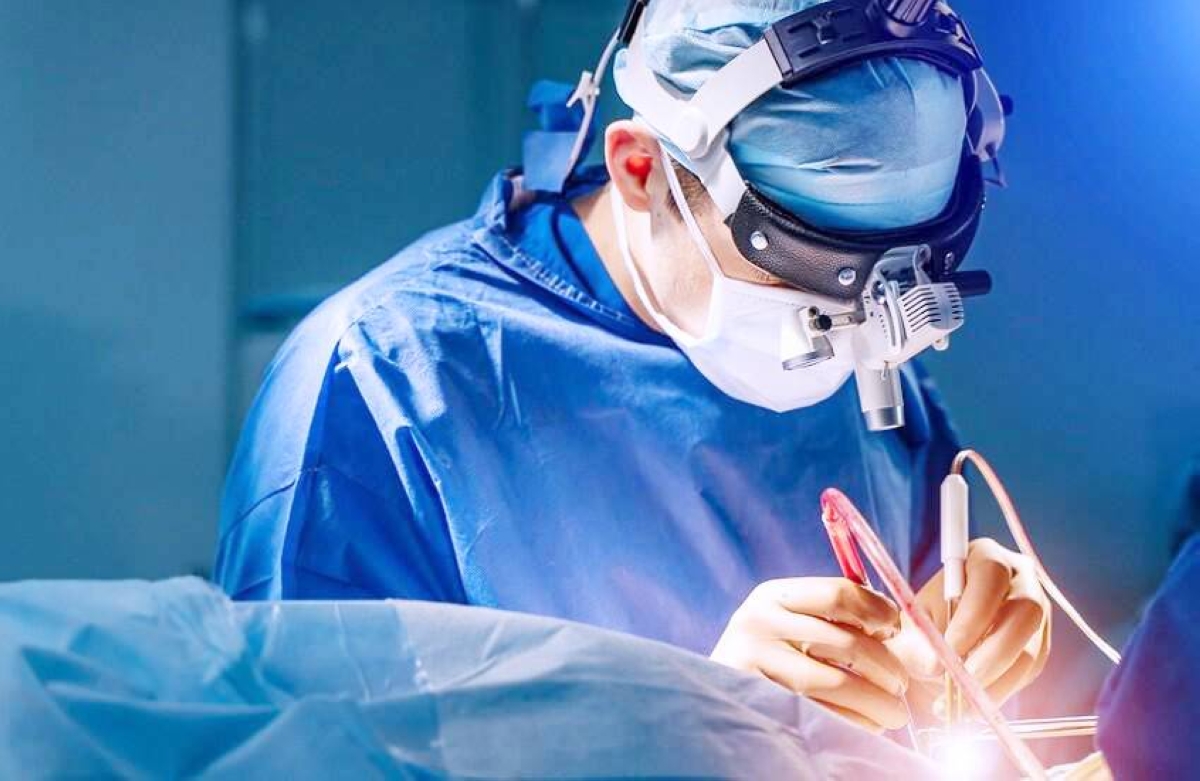
جراحون.


تابع قناة عكاظ على الواتساب
«عكاظ» (جدة) OKAZ_online@
كشفت دراسة طبية حديثة أجرتها جامعة هارفارد حقائق صادمة تتعلق بمخاطر مهنة الجراحة، حيث أظهرت أن الجراحين يواجهون خطراً مضاعفاً تقريباً للوفاة جراء الإصابة بالسرطان مقارنة بالأطباء في التخصصات الأخرى. وأوضحت الدراسة أن معدل الوفيات بين الجراحين يبلغ نحو 193.2 حالة لكل 100 ألف جراح سنوياً، في حين لا يتجاوز المعدل 87.5 حالة لكل 100 ألف طبيب غير جراح، وهو ما يمثل ارتفاعاً بنحو 20% مقارنة ببقية الأطباء. ويرى الباحثون أن هذا التفاوت الكبير قد يعود إلى طبيعة بيئة العمل الجراحية التي تتسم بالتعرض المتكرر للإشعاعات المؤينة خلال الإجراءات الطبية، واستنشاق الأبخرة الناتجة عن المواد الكيميائية المستخدمة في التعقيم والتخدير، إضافة إلى الإرهاق البدني والضغط النفسي الناتجين عن ساعات العمل الطويلة. وأشارت النتائج إلى أن هذه العوامل مجتمعة قد تسهم في إضعاف الجهاز المناعي للجراحين، وزيادة احتمالات الإصابة بأورام خبيثة على المدى البعيد. وشدد الخبراء على أن الخطر لا يعني أن مهنة الجراحة بطبيعتها مميتة، بل أن هناك عوامل مهنية وبيئية يمكن السيطرة عليها إلى حد كبير إذا ما تم تعزيز إجراءات السلامة داخل غرف العمليات، وتوفير أنظمة تهوية فعالة، وتطبيق بروتوكولات صارمة للحماية من الإشعاع. كما أوصت الدراسة بضرورة إجراء فحوص دورية للكشف المبكر عن السرطان بين الجراحين، إلى جانب تبني نمط حياة صحي يقلل من المخاطر، بما في ذلك ممارسة الرياضة، وتبني نظام غذائي متوازن، والحصول على فترات راحة كافية. وتفتح هذه النتائج الباب أمام المؤسسات الصحية لإعادة تقييم بيئة العمل الجراحية، واتخاذ خطوات عملية لحماية الكوادر الطبية التي تقف في الصفوف الأولى لإنقاذ الأرواح.
A recent medical study conducted by Harvard University revealed shocking facts regarding the risks associated with the surgical profession, showing that surgeons face nearly double the risk of death from cancer compared to doctors in other specialties. The study indicated that the mortality rate among surgeons is about 193.2 cases per 100,000 surgeons annually, while the rate does not exceed 87.5 cases per 100,000 non-surgeon doctors, representing an increase of about 20% compared to other physicians. Researchers believe that this significant disparity may be attributed to the nature of the surgical work environment, which is characterized by repeated exposure to ionizing radiation during medical procedures, inhalation of fumes from chemicals used in sterilization and anesthesia, in addition to the physical exhaustion and psychological stress resulting from long working hours. The findings suggested that these combined factors may contribute to weakening the immune system of surgeons and increasing the likelihood of developing malignant tumors in the long term. Experts emphasized that the risk does not mean that the surgical profession is inherently deadly, but rather that there are occupational and environmental factors that can be largely controlled if safety measures within operating rooms are enhanced, effective ventilation systems are provided, and strict protocols for radiation protection are implemented. The study also recommended the necessity of conducting regular screenings for early cancer detection among surgeons, along with adopting a healthy lifestyle that reduces risks, including exercising, maintaining a balanced diet, and ensuring adequate rest periods. These results open the door for health institutions to reassess the surgical work environment and take practical steps to protect the medical staff who stand on the front lines to save lives.


