عندما نتحدث عن حقوق الإنسان ومكافحة الاتجار بالبشر، فإن المملكة العربية السعودية تقف اليوم في مقدمة الدول التي حققت إنجازات نوعية في هذا المضمار، ليس فقط من خلال سن القوانين، بل عبر منظومة متكاملة من التشريعات والسياسات والمؤسسات التي تعكس اهتمام القيادة الرشيدة العميق بهذا الملف، وحرصها على صون كرامة الإنسان في كل الظروف.
لقد أولى خادم الحرمين الشريفين الملك سلمان بن عبدالعزيز، وسمو ولي عهده الأمين الأمير محمد بن سلمان – حفظهما الله – اهتمامًا بالغًا بقضايا الإنسان، إدراكًا بأن كرامته هي الركيزة الأساس لأي مشروع تنموي أو حضاري. ومع تولي الملك سلمان مقاليد الحكم في يناير من عام 2015، بدأت مرحلة جديدة من التحول المؤسسي والحقوقي، حيث تعززت خلالها الأطر التشريعية القائمة بمزيد من القرارات والتوجيهات الملكية التي سعت إلى تفعيل النصوص القانونية وربطها بالممارسات الواقعية، وتأكيد الدور المؤسسي في حماية الحقوق، خاصة في الملفات ذات الحساسية الاجتماعية والإنسانية، وعلى رأسها مكافحة جرائم الاتجار بالأشخاص.
أخطر الجرائم المنظمة
الاتجار بالأشخاص يُعد من أخطر الجرائم المنظمة التي تهدد الأمن الإنساني والاجتماعي، وتستهدف الفئات الهشة عبر أساليب خادعة واستغلال مقيت للضعف أو الحاجة. وتتمثل صوره في الاستغلال الجنسي، والعمل القسري، وتسول الأطفال، ونقل الأعضاء، وغيرها من الممارسات التي تسلب الإنسان أبسط حقوقه. ولأن المملكة تضع الشريعة الإسلامية مرجعًا تشريعيًا وأخلاقيًا، فقد جاءت مواقفها صارمة ضد هذا النوع من الجرائم، استنادًا إلى القيم الإسلامية التي تحرّم الظلم والعبودية، وتؤكد على كرامة الإنسان في كل الأحوال.
صرامة العقوبات وتشديدها
في هذا الإطار، صدر نظام مكافحة جرائم الاتجار بالأشخاص في (14 يوليو 2009م)، الذي يُعد من أقوى الأنظمة في المنطقة، سواء من حيث دقة الصياغة أو صرامة العقوبات، إذ عرف الجريمة بشكل شامل، واعتبر كل أشكال الاستغلال الواقعة على الإنسان جرائم توجب العقوبة، وقرّر أن العقوبات قد تصل إلى السجن خمس عشرة سنة، مع الغرامات المالية الكبيرة، وتُشدد العقوبة إذا كانت الضحية امرأة أو طفلًا أو من ذوي الإعاقة. ومن المبادئ البارزة في هذا النظام أنه لا يُعتد برضا الضحية كدفع قانوني للجريمة، إذ إن الإكراه لا يكون دائمًا بالسلاح، بل قد يكون بالفقر أو الحاجة أو التهديد النفسي. كما تضمن النظام ضمانات واسعة لحماية الضحايا، منها العلاج، والرعاية النفسية، والإيواء، وحق الضحية في الحصول على تعويض، وتجريم الترويج للجريمة أو مجرد الشروع فيها.
دعم النيابات العامة
ومع وصول الملك سلمان إلى الحكم، لم يكن الاهتمام مجرد تطبيق قانون قائم، بل تم دعم هذا التوجه بسلسلة من التوجيهات والإجراءات التي عززت من حضور الدولة المؤسسي في هذا الملف، فتم دعم النيابات العامة المتخصصة التي تتولى النظر في قضايا الاتجار، وتوسيع صلاحيات هيئة حقوق الإنسان، وتفعيل التنسيق بين الجهات الأمنية والقضائية والاجتماعية. كما أولى الملك سلمان عناية خاصة للفئات الأضعف في المجتمع، ككبار السن، وذوي الإعاقة، والعمالة المنزلية، ما جعل البيئة الحقوقية أكثر شمولًا واتساقًا.
وفي يونيو من عام 2017، ومع تولي الأمير محمد بن سلمان ولاية العهد، دخلت المنظومة الحقوقية في المملكة مرحلة أكثر تقدمًا على مستوى التخطيط والتنفيذ، حيث بدأت الدولة تتحرك باتجاه بناء مؤسسات متخصصة ذات طابع تنفيذي مباشر، تواكب المتغيرات وتسد الثغرات. وقد وجّه سموه بتأسيس الإدارة العامة للأمن المجتمعي ومكافحة جرائم الاتجار بالأشخاص، وهي جهة تابعة لوزارة الداخلية، وتضطلع بمهام الرصد، والتحقيق، والتنسيق مع النيابة العامة، ومتابعة الضبط والإحالة، بما يضمن التعامل مع هذه الجريمة بشكل دقيق ومنهجي. وتم الإعلان الرسمي عن تأسيس هذه الإدارة في عام 2025، كجزء من تطوير هيكلة الأمن العام، وضمن مشروع شامل لتعزيز الأمن الإنساني في المملكة.
وزارة الموارد.. جولات رقابية
إلى جانب ذلك، تضاعفت الجهود التنفيذية لوزارة الموارد البشرية والتنمية الاجتماعية، التي تبنت خطة وطنية لمحاربة الاتجار بالأشخاص تقوم على أربعة محاور رئيسة: الوقاية، الحماية، العقاب، والتعاون المؤسسي. ونتيجة لذلك، تم تنفيذ آلاف الجولات الرقابية على منشآت القطاع الخاص، والمؤسسات التي تستخدم العمالة، وسُجلت مئات البلاغات التي تم التحقيق فيها واتخاذ الإجراءات القانونية بحق مرتكبيها. بعض هذه القضايا تضمن أعمال استغلال بشع لعمالة وافدة، أو تسخير قاصرين في أعمال تسول، أو خداع فتيات بوظائف وهمية لاستغلالهن لاحقًا، وقد تم التعامل مع كل تلك القضايا بحزم وعدالة.
القضاء بالمرصاد.. أحكام حازمة ورادعة
ولم يكن القضاء بعيدًا عن هذه الجهود، فقد سجلت المحاكم السعودية أحكامًا حازمة ضد المتورطين في جرائم الاتجار، سواء كانوا من الأفراد أو الكيانات، وعكست هذه الأحكام وضوح الرؤية القانونية، والتكامل بين النصوص والإجراءات، وتفوق الكوادر القضائية في التعامل مع القضايا ذات البعد الإنساني والجنائي في آن واحد.
ومن جانبها، واصلت هيئة حقوق الإنسان أدوارها الحيوية، فأطلقت آلية الإحالة الوطنية الموحدة لضحايا الاتجار بالأشخاص، بالتعاون مع الجهات الأمنية والاجتماعية، وأُنشئت مراكز متخصصة لإيواء الضحايا، وتقديم الرعاية النفسية والاجتماعية، وتوفير الدعم القانوني. كما تواصل اللجنة الوطنية لمكافحة الاتجار بالأشخاص، التابعة للهيئة، أداء دورها التنسيقي مع كافة الجهات ذات العلاقة، من خلال إعداد التقارير الوطنية، والتدريب، والتوعية، وتنفيذ الخطة الوطنية وفق مؤشرات واضحة.
كل هذه الجهود تأتي منسجمة تمامًا مع رؤية السعودية 2030، التي وضعت الإنسان في صلب أولوياتها، واعتبرت أن العدالة والكرامة ليستا مجرد مبادئ عامة، بل التزام فعلي وممارسة مؤسسية. وانعكست هذه الرؤية في تحديثات كبيرة شملت نظام المعاملات المدنية، ونظام الأحوال الشخصية، ونظام الإثبات، وكلها عززت الإطار القانوني العام بما يتماشى مع التحولات الاجتماعية والاقتصادية، ورفعت من سقف الحماية القانونية والعدلية.
تقدير دولي
وبفضل هذا التكامل التشريعي والتنفيذي، أصبحت المملكة نموذجًا متقدمًا في مجال مكافحة الاتجار بالأشخاص، لا يعتمد فقط على الصرامة القانونية، بل على التكامل المؤسسي، والتنسيق الدولي، والالتزام القيمي المستمد من الشريعة، والرؤية الطموحة للدولة.
إن الحديث عن مكافحة الاتجار بالأشخاص في السعودية لم يعد مجرد نقاش قانوني أو تطلع إلى إصلاح، بل هو مسار واضح تبنته الدولة، وعمقته القيادة، وأثبت الواقع اليومي والممارسات العملية صدقه، وهو ما جعل المملكة تتقدم في المؤشرات الدولية، وتحظى بالتقدير الدولي في تقارير المنظمات المتخصصة.
وفي وقت تتخبط فيه بعض الدول في قضايا الاتجار، وتغيب فيها الآليات أو تتراخى فيها الجهات، تواصل المملكة طريقها بثقة وثبات نحو بناء مجتمع يصون الكرامة، ويجرّم كل من يحاول استغلال الإنسان؛ لأن الإنسان في المملكة، أولًا وقبل كل شيء، هو القيمة الأعلى.
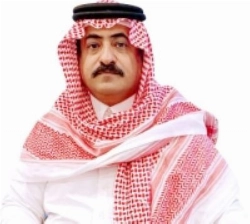
علي بن طالب بن توزان
السعودية ومكافحة الاتجار بالأشخاص.. ريادة تشريعية وإنسانية عالمية
22 يوليو 2025 - 14:27
|
آخر تحديث 26 أغسطس 2025 - 18:18


تابع قناة عكاظ على الواتساب
When we talk about human rights and combating human trafficking, the Kingdom of Saudi Arabia stands today at the forefront of countries that have achieved qualitative advancements in this field, not only through the enactment of laws but also through a comprehensive system of legislation, policies, and institutions that reflect the deep interest of the wise leadership in this file and its commitment to preserving human dignity under all circumstances.
His Majesty King Salman bin Abdulaziz and His Royal Highness Crown Prince Mohammed bin Salman – may God protect them – have shown great concern for human issues, recognizing that dignity is the fundamental pillar of any developmental or civilizational project. With King Salman assuming power in January 2015, a new phase of institutional and legal transformation began, during which the existing legislative frameworks were strengthened with more royal decisions and directives aimed at activating legal texts and linking them to real practices, confirming the institutional role in protecting rights, especially in files of social and humanitarian sensitivity, foremost among them the fight against human trafficking crimes.
One of the most dangerous organized crimes
Human trafficking is considered one of the most dangerous organized crimes that threaten human and social security, targeting vulnerable groups through deceptive methods and the abhorrent exploitation of weakness or need. Its manifestations include sexual exploitation, forced labor, child begging, organ trafficking, and other practices that strip individuals of their most basic rights. Because the Kingdom places Islamic law as a legislative and moral reference, its positions against this type of crime have been strict, based on Islamic values that prohibit injustice and slavery and emphasize human dignity in all circumstances.
Severity and tightening of penalties
In this context, the Anti-Human Trafficking Law was issued on July 14, 2009, which is considered one of the strongest laws in the region, both in terms of precise wording and strict penalties. It comprehensively defined the crime and considered all forms of exploitation against individuals as crimes that warrant punishment, deciding that penalties could reach up to fifteen years in prison, along with substantial financial fines. The penalty is intensified if the victim is a woman, a child, or a person with disabilities. One of the prominent principles in this law is that the consent of the victim is not considered a legal justification for the crime, as coercion is not always through weapons but can also be through poverty, need, or psychological threats. The law also includes extensive guarantees for protecting victims, including treatment, psychological care, shelter, the victim's right to compensation, and criminalizing the promotion of the crime or even attempting it.
Support for public prosecution
With King Salman coming to power, the interest was not merely in applying an existing law, but this direction was supported by a series of directives and measures that enhanced the institutional presence of the state in this file. Specialized public prosecution offices that handle trafficking cases were supported, the powers of the Human Rights Commission were expanded, and coordination between security, judicial, and social entities was activated. King Salman also paid special attention to the most vulnerable groups in society, such as the elderly, persons with disabilities, and domestic workers, which made the human rights environment more inclusive and coherent.
In June 2017, with Crown Prince Mohammed bin Salman assuming his position, the human rights system in the Kingdom entered a more advanced phase in terms of planning and implementation, as the state began to move towards building specialized institutions with direct executive characteristics that keep pace with changes and fill gaps. His Highness directed the establishment of the General Administration for Community Security and Combating Human Trafficking, which is an entity affiliated with the Ministry of Interior, responsible for monitoring, investigating, coordinating with the public prosecution, and following up on arrests and referrals, ensuring that this crime is dealt with accurately and methodically. The official announcement of the establishment of this administration was made in 2025, as part of the development of public security structure and within a comprehensive project to enhance human security in the Kingdom.
Ministry of Resources.. Monitoring tours
In addition, the executive efforts of the Ministry of Human Resources and Social Development have doubled, which adopted a national plan to combat human trafficking based on four main pillars: prevention, protection, punishment, and institutional cooperation. As a result, thousands of monitoring tours were conducted on private sector establishments and institutions employing labor, and hundreds of reports were recorded, which were investigated and legal actions were taken against the perpetrators. Some of these cases involved horrific exploitation of foreign workers, or the use of minors in begging, or deceiving girls with fake jobs for later exploitation, and all these cases were dealt with firmly and justly.
The judiciary on alert.. Firm and deterrent rulings
The judiciary was not far from these efforts, as Saudi courts issued firm rulings against those involved in trafficking crimes, whether individuals or entities, reflecting the clarity of legal vision, the integration between texts and procedures, and the superiority of judicial personnel in dealing with cases that have both humanitarian and criminal dimensions simultaneously.
For its part, the Human Rights Commission continued its vital roles, launching a unified national referral mechanism for victims of human trafficking, in cooperation with security and social entities. Specialized centers were established to shelter victims, provide psychological and social care, and offer legal support. The National Committee for Combating Human Trafficking, affiliated with the Commission, continues to perform its coordinating role with all relevant entities by preparing national reports, training, awareness, and implementing the national plan according to clear indicators.
All these efforts are fully aligned with Saudi Vision 2030, which places humans at the heart of its priorities, considering that justice and dignity are not merely general principles but a real commitment and institutional practice. This vision has been reflected in significant updates that included the Civil Transactions Law, the Personal Status Law, and the Evidence Law, all of which enhanced the general legal framework in line with social and economic transformations and raised the ceiling of legal and judicial protection.
International appreciation
Thanks to this legislative and executive integration, the Kingdom has become an advanced model in the field of combating human trafficking, relying not only on legal strictness but also on institutional integration, international coordination, and the value commitment derived from Sharia and the ambitious vision of the state.
Talking about combating human trafficking in Saudi Arabia is no longer just a legal discussion or a desire for reform, but a clear path adopted by the state, deepened by leadership, and proven by daily reality and practical practices, which has allowed the Kingdom to advance in international indicators and gain international recognition in reports from specialized organizations.
At a time when some countries struggle with trafficking issues, lacking mechanisms or where entities are lax, the Kingdom continues its path with confidence and steadfastness towards building a society that preserves dignity and criminalizes anyone who attempts to exploit humans; because in the Kingdom, a person is, first and foremost, the highest value.
His Majesty King Salman bin Abdulaziz and His Royal Highness Crown Prince Mohammed bin Salman – may God protect them – have shown great concern for human issues, recognizing that dignity is the fundamental pillar of any developmental or civilizational project. With King Salman assuming power in January 2015, a new phase of institutional and legal transformation began, during which the existing legislative frameworks were strengthened with more royal decisions and directives aimed at activating legal texts and linking them to real practices, confirming the institutional role in protecting rights, especially in files of social and humanitarian sensitivity, foremost among them the fight against human trafficking crimes.
One of the most dangerous organized crimes
Human trafficking is considered one of the most dangerous organized crimes that threaten human and social security, targeting vulnerable groups through deceptive methods and the abhorrent exploitation of weakness or need. Its manifestations include sexual exploitation, forced labor, child begging, organ trafficking, and other practices that strip individuals of their most basic rights. Because the Kingdom places Islamic law as a legislative and moral reference, its positions against this type of crime have been strict, based on Islamic values that prohibit injustice and slavery and emphasize human dignity in all circumstances.
Severity and tightening of penalties
In this context, the Anti-Human Trafficking Law was issued on July 14, 2009, which is considered one of the strongest laws in the region, both in terms of precise wording and strict penalties. It comprehensively defined the crime and considered all forms of exploitation against individuals as crimes that warrant punishment, deciding that penalties could reach up to fifteen years in prison, along with substantial financial fines. The penalty is intensified if the victim is a woman, a child, or a person with disabilities. One of the prominent principles in this law is that the consent of the victim is not considered a legal justification for the crime, as coercion is not always through weapons but can also be through poverty, need, or psychological threats. The law also includes extensive guarantees for protecting victims, including treatment, psychological care, shelter, the victim's right to compensation, and criminalizing the promotion of the crime or even attempting it.
Support for public prosecution
With King Salman coming to power, the interest was not merely in applying an existing law, but this direction was supported by a series of directives and measures that enhanced the institutional presence of the state in this file. Specialized public prosecution offices that handle trafficking cases were supported, the powers of the Human Rights Commission were expanded, and coordination between security, judicial, and social entities was activated. King Salman also paid special attention to the most vulnerable groups in society, such as the elderly, persons with disabilities, and domestic workers, which made the human rights environment more inclusive and coherent.
In June 2017, with Crown Prince Mohammed bin Salman assuming his position, the human rights system in the Kingdom entered a more advanced phase in terms of planning and implementation, as the state began to move towards building specialized institutions with direct executive characteristics that keep pace with changes and fill gaps. His Highness directed the establishment of the General Administration for Community Security and Combating Human Trafficking, which is an entity affiliated with the Ministry of Interior, responsible for monitoring, investigating, coordinating with the public prosecution, and following up on arrests and referrals, ensuring that this crime is dealt with accurately and methodically. The official announcement of the establishment of this administration was made in 2025, as part of the development of public security structure and within a comprehensive project to enhance human security in the Kingdom.
Ministry of Resources.. Monitoring tours
In addition, the executive efforts of the Ministry of Human Resources and Social Development have doubled, which adopted a national plan to combat human trafficking based on four main pillars: prevention, protection, punishment, and institutional cooperation. As a result, thousands of monitoring tours were conducted on private sector establishments and institutions employing labor, and hundreds of reports were recorded, which were investigated and legal actions were taken against the perpetrators. Some of these cases involved horrific exploitation of foreign workers, or the use of minors in begging, or deceiving girls with fake jobs for later exploitation, and all these cases were dealt with firmly and justly.
The judiciary on alert.. Firm and deterrent rulings
The judiciary was not far from these efforts, as Saudi courts issued firm rulings against those involved in trafficking crimes, whether individuals or entities, reflecting the clarity of legal vision, the integration between texts and procedures, and the superiority of judicial personnel in dealing with cases that have both humanitarian and criminal dimensions simultaneously.
For its part, the Human Rights Commission continued its vital roles, launching a unified national referral mechanism for victims of human trafficking, in cooperation with security and social entities. Specialized centers were established to shelter victims, provide psychological and social care, and offer legal support. The National Committee for Combating Human Trafficking, affiliated with the Commission, continues to perform its coordinating role with all relevant entities by preparing national reports, training, awareness, and implementing the national plan according to clear indicators.
All these efforts are fully aligned with Saudi Vision 2030, which places humans at the heart of its priorities, considering that justice and dignity are not merely general principles but a real commitment and institutional practice. This vision has been reflected in significant updates that included the Civil Transactions Law, the Personal Status Law, and the Evidence Law, all of which enhanced the general legal framework in line with social and economic transformations and raised the ceiling of legal and judicial protection.
International appreciation
Thanks to this legislative and executive integration, the Kingdom has become an advanced model in the field of combating human trafficking, relying not only on legal strictness but also on institutional integration, international coordination, and the value commitment derived from Sharia and the ambitious vision of the state.
Talking about combating human trafficking in Saudi Arabia is no longer just a legal discussion or a desire for reform, but a clear path adopted by the state, deepened by leadership, and proven by daily reality and practical practices, which has allowed the Kingdom to advance in international indicators and gain international recognition in reports from specialized organizations.
At a time when some countries struggle with trafficking issues, lacking mechanisms or where entities are lax, the Kingdom continues its path with confidence and steadfastness towards building a society that preserves dignity and criminalizes anyone who attempts to exploit humans; because in the Kingdom, a person is, first and foremost, the highest value.