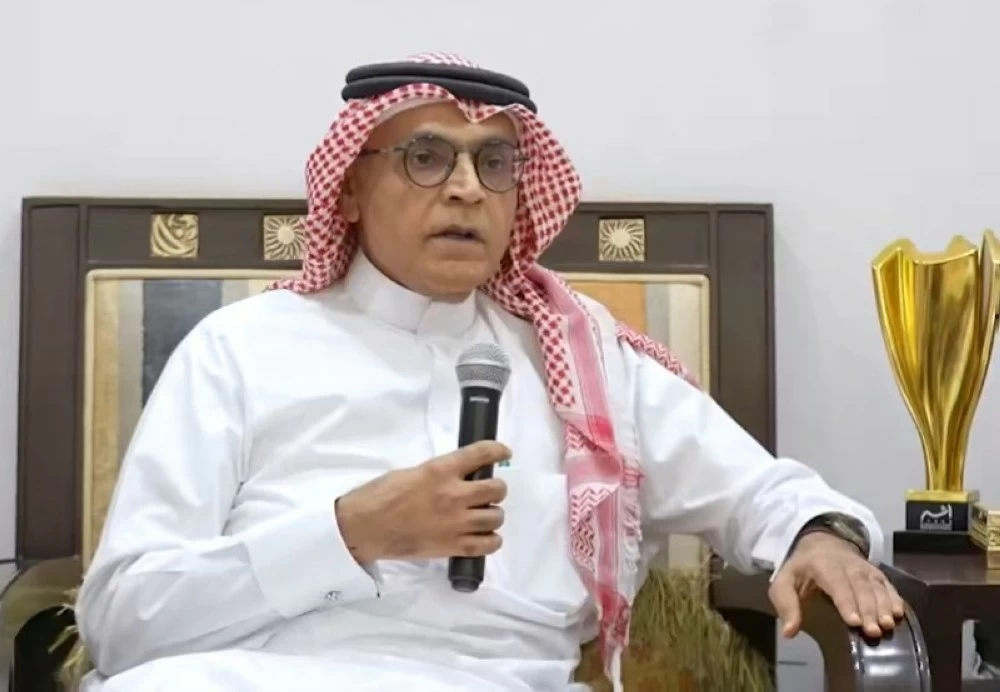
استعرض رئيس اللجنة التأسيسية لمشروع «مسار» رئيس مجلس إدارة الشركة الشيخ عبدالله صالح كامل الدور المحوري للقطاع الخاص في تحقيق رؤية خادم الحرمين الشريفين، وولي العهد، لخدمة ضيوف الرحمن، مستشهداً بتجربة مشروع «مسار مكة» بوصفه نموذجاً متقدماً لشراكة فاعلة في تطوير العاصمة المقدسة.
مشروع بدأ من قلب العشوائيات
أوضح عبدالله صالح كامل في لقاء ثري استضافته «أحدية العبدلي»، أن مشروع «مسار مكة» انطلق من مشاريع معالجة العشوائيات في مكة المكرمة عام 2006، حيث كان يحمل في بدايته اسم «طريق الملك عبدالله»، ثم تحول إلى «طريق الملك عبدالعزيز»، قبل أن يُعاد تقديمه كوجهة متكاملة تحت مسمى «مسار». وأشار إلى أن المشروع يقع على مساحة تبلغ 3.7 مليون متر مربع، كانت تضم 9 مناطق عشوائية، ويبعد نحو 4 كيلومترات فقط عن الحرم المكي، وسيستوعب عند اكتماله أكثر من 250 ألف نسمة.
مدينة تحت الأرض وممر إلى الحرم في 5 دقائق
كشف الشيخ عبدالله صالح كامل أن ما يجري تحت سطح مشروع «مسار» لا يقل أهمية عما يظهر فوقه، إذ تمت تهيئة «مدينة كاملة» تحت الأرض تضم التجهيزات الأساسية اللازمة، إلى جانب توفير نحو 40 ألف موقف للسيارات على امتداد الطريق. وأضاف أن مسار الحركة يبدأ من محطة قطار الحرمين وصولاً إلى ساحات الحرم المكي عبر مباني مشروع جبل عمر في مدة لا تتجاوز 5 دقائق، بما يعكس التصور الحديث لحلول التنقل في العاصمة المقدسة.
4 وسائل للوصول إلى الحرم
وبيّن أن المشروع يوفر 4 وسائل رئيسية للوصول إلى الحرم المكي: (وسيلة تحت الأرض كانت مرتبطة بمخطط مشروع مترو مكة الذي تأخر تنفيذه، وسيلة عبر الحافلات، مسار مخصص للمشي، ومسار لسيارات مخصصة).
وأكد أن تنوع خيارات الوصول ينسجم مع التوجه نحو تخفيف الازدحام المروري وتيسير حركة ضيوف الرحمن والمقيمين والزوار على حد سواء.
قفزة في جودة الحياة
وتطرق الشيخ عبدالله صالح كامل إلى التحول الكبير في قيمة الأراضي داخل نطاق المشروع، إذ يمتد من أقرب نقطة للحرم إلى أبعد نقطة في نطاقه، لتتراوح أسعار المتر المربع بين 400 ألف ريال في أقرب المناطق إلى 3 آلاف ريال في أبعدها، بما يعكس الفارق بين القرب المكاني وجودة التطوير. ووصف «مسار مكة» بأنه من أهم مشاريع جودة الحياة في العاصمة المقدسة، فضلاً عن كونه مشروعاً تجارياً ناجحاً، مشيراً إلى أن الشركة المالكة أصبحت اليوم مدرجة في سوق المال، وأداؤها جيد.
«مسار».. مشروع بحجم الابن
عبّر الشيخ عبدالله صالح كامل عن ارتباطه الشخصي بالمشروع، قائلاً إن «مسار» بالنسبة له ليس مجرد استثمار أو ملف تطوير، بل «مثل ابني»، بحكم أنه ترأس اللجنة التأسيسية للمشروع إلى جانب رئاسته لمجلس الإدارة، ما جعله شاهداً على جميع مراحل الفكرة والتنفيذ والتحول.
خطط للتوسع ومعادلة جديدة لمكة
وكشف أن الشركة القابضة لمشروع «مسار» تجري حالياً مباحثات مع الهيئة الملكية بشأن الحصول على مناطق عشوائية أخرى في مكة المكرمة لتطبيق الفكرة ذاتها، مع التركيز على عنصر المواصلات داخل المدينة المقدسة. وشدد على أن الرؤية التطويرية الجديدة تستهدف أن تكون 30% من مساحات كل عشوائية يتم تطويرها حدائق عامة، بهدف تغيير الأجواء وطبيعة السكن في مكة، وخلق بيئة عمرانية أكثر إنسانية وملاءمة لحياة السكان والزوار وضيوف الرحمن.
The Chairman of the Founding Committee for the "Masar" Project, Sheikh Abdullah Saleh Kamel, reviewed the pivotal role of the private sector in achieving the vision of the Custodian of the Two Holy Mosques and the Crown Prince in serving the guests of Allah, citing the experience of the "Masar Makkah" project as an advanced model of effective partnership in developing the holy capital.
A Project That Started from the Heart of Informal Settlements
Abdullah Saleh Kamel clarified in a rich meeting hosted by "Uhdiyat Al-Abdali" that the "Masar Makkah" project originated from initiatives to address informal settlements in Makkah in 2006, initially named "King Abdullah Road," then changed to "King Abdulaziz Road," before being reintroduced as a comprehensive destination under the name "Masar." He noted that the project spans an area of 3.7 million square meters, which included 9 informal areas, and is located about 4 kilometers from the Grand Mosque, and will accommodate more than 250,000 residents upon completion.
An Underground City and a Path to the Haram in 5 Minutes
Sheikh Abdullah Saleh Kamel revealed that what is happening beneath the surface of the "Masar" project is as important as what appears above it, as a "complete city" has been prepared underground that includes the necessary basic facilities, along with providing about 40,000 parking spaces along the road. He added that the movement path starts from the Haramain Train Station to the courtyards of the Grand Mosque via the buildings of the Jabal Omar project in a time not exceeding 5 minutes, reflecting the modern vision for mobility solutions in the holy capital.
4 Means to Reach the Haram
He indicated that the project provides 4 main means to reach the Grand Mosque: (an underground means that was linked to the delayed Makkah Metro project, a means via buses, a dedicated walking path, and a path for designated vehicles).
He emphasized that the diversity of access options aligns with the trend towards alleviating traffic congestion and facilitating the movement of guests of Allah, residents, and visitors alike.
A Leap in Quality of Life
Sheikh Abdullah Saleh Kamel touched on the significant transformation in land values within the project's scope, extending from the closest point to the Haram to the farthest point within it, with prices per square meter ranging from 400,000 riyals in the nearest areas to 3,000 riyals in the farthest, reflecting the difference between proximity and the quality of development. He described "Masar Makkah" as one of the most important quality of life projects in the holy capital, in addition to being a successful commercial project, noting that the owning company is now listed on the stock market and performing well.
"Masar"… A Project the Size of a Son
Sheikh Abdullah Saleh Kamel expressed his personal connection to the project, stating that "Masar" for him is not just an investment or a development file, but "like my son," as he has chaired the founding committee of the project alongside his chairmanship of the board, making him a witness to all stages of the idea, implementation, and transformation.
Plans for Expansion and a New Equation for Makkah
He revealed that the holding company for the "Masar" project is currently in discussions with the Royal Commission regarding obtaining other informal areas in Makkah to apply the same idea, focusing on the transportation element within the holy city. He stressed that the new developmental vision aims for 30% of the areas of each informal settlement being developed to be public gardens, with the goal of changing the atmosphere and nature of living in Makkah, and creating a more humane and suitable urban environment for the lives of residents, visitors, and guests of Allah.