


تُعدّ منطقة الباحة من أهم المناطق الزراعية على مستوى المملكة؛ لما تزخر به من مقومات طبيعية وهبها المولى عزوجل لها من حيث توفر التربة الصالحة للزراعة والمياه الجوفية المتوافرة بكميات كبيرة، وجريان العديد من الأودية بها على مدار العام.
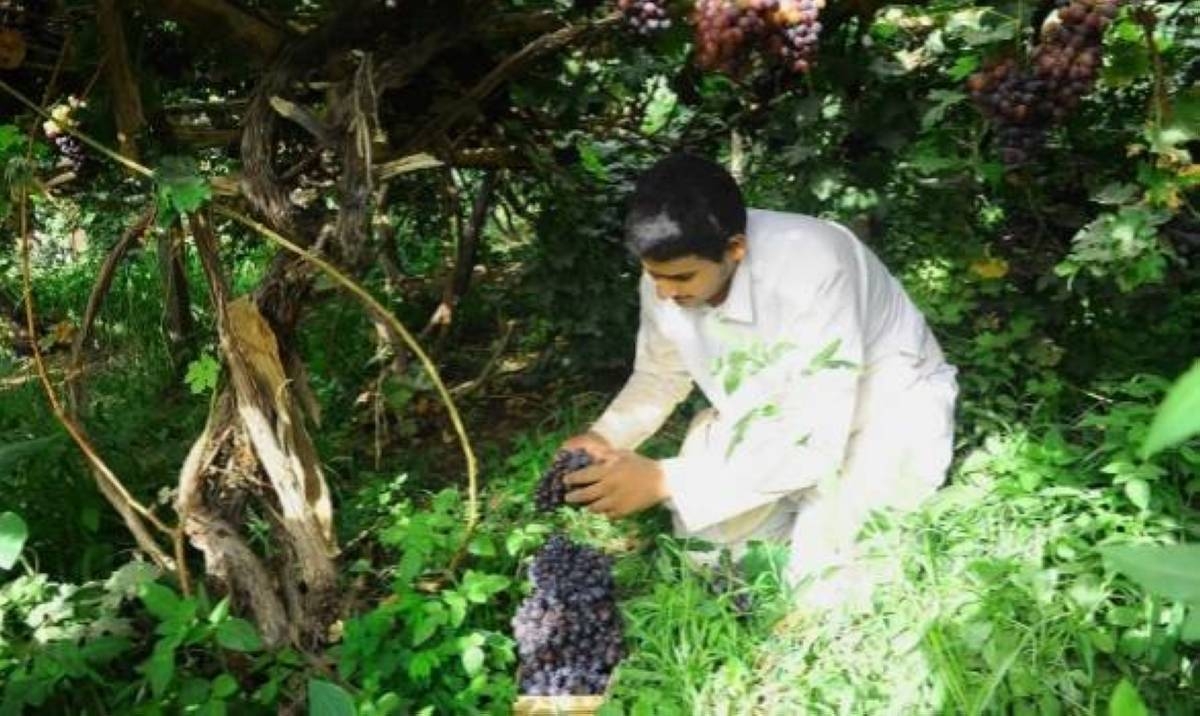
وتشكل مزارع العنب المنتشرة في المنطقة ومحافظاتها مشهداً طبيعيّاً أخاذاً، حيث تجود في مثل هذا الوقت من كل عام بأفضل المحصول المعروف بجودة ثماره وتنوعه ووفرته، وسط اهتمام من الشباب بمزاولة مهنة زراعة العنب التي توارثوها عن الأبناء والأجداد عبر رحلة مليئة بالتحديات التي تجسد روح العطاء والاهتمام والاستدامة.
وأوضح المدير العام لفرع وزارة البيئة والمياه والزراعة بمنطقة الباحة المهندس فهد مفتاح الزهراني لوكالة الأنباء السعودية أن زراعة العنب تعد من المحاصيل الواعدة التي تشهد اهتماماً متزايداً من المزارعين، حيث تبلغ المساحة المزروعة بالمنطقة حالياً 51 هكتاراً بإنتاج سنوي يصل إلى 772 طناً من أجود أصناف العنب. وأشار إلى أن مشروع «مدينة العنب» الجاري طرحه بمحافظة بلجرشي يقام على مساحة 790 ألف م2، وسيكون منصة متكاملة لدعم هذا المنتج من خلال توفير مرافق وخدمات متطورة تشمل الفرز والتعبئة والتغليف والتبريد والتسويق بما يسهم في رفع جودة الإنتاج وتعزيز قدرته التنافسية في الأسواق المحلية، إضافة إلى تمكين المنتجين من الوصول المباشر إلى المستهلكين عبر قنوات بيع منظمة.
وأكد أن فرع الوزارة يعمل على تمكين المزارعين من خلال برامج الدعم الحكومية، إذ استفاد مزارعو العنب من برنامج التنمية الريفية الزراعية المستدامة (ريف) الذي وفر دعماً ماليّاً وفنياً لتطوير ورفع كفاءة الإنتاج، كما دُعم عدد من المزارع من خلال برنامج الزراعة العضوية للحصول على شهادة الزراعة العضوية وتبني ممارسات إنتاجية صديقة للبيئة، ما أسهم في تحسين جودة المنتج.
وبين أن مشروع تأهيل المدرجات الزراعية في منطقة الباحة شكل عاملاً مهماً في زيادة المساحات الصالحة لزراعة العنب والمحاصيل الأخرى، وذلك بإعادة تأهيل المدرجات القديمة وتحسين قدرتها على حصاد مياه الأمطار والحد من انجراف التربة؛ ما انعكس إيجاباً على استدامة الإنتاج الزراعي.
وبيَّن المهندس الزهراني أن الفرع يواصل جهوده في التوسع بزراعة أصناف العنب الملائمة لبيئة الباحة، وتعميم أنظمة الري الحديثة، وتنفيذ الحقول الإرشادية وبرامج التدريب الميداني؛ بما يواكب مستهدفات رؤية المملكة 2030 في التنمية الريفية المستدامة، وتعظيم القيمة المضافة للمنتجات الزراعية المحلية.
من جانبه، أشار المزارع علي الزهراني إلى أنهم توارثوا كيفية زراعة العنب عبر الأجيال، إذ تتم عملية «التحبيس» في شهر مايو الماضي، وهي عبارة عن تقليم الأغصان التي تحمل أوراقاً كثيفة تغطي الثمار في مراحلها الأولى وتمنعها من التعرض للشمس، والتهوية، والتخلص من الأوراق الزائدة عن حاجة شجرة العنب التي تنضج في شهري يوليو وأغسطس من كل عام.
وعن كيفية زراعة شجر العنب قال صاحب أكبر مزرعة أعناب بالباحة المزارع فيصل بن مداوس الغامدي: «إن زراعة العنب تتم عن طريق أخذ غصن من شجرة العنب ويغرس بطريقة رأسية في الأرض، وتبدأ عملية العناية به بوضع السماد الطبيعي، ومواصلة ريه بالماء، حتى تظهر الشجرة من أحد الطرفين المغروسين، وأحياناً تظهر من كلا الطرفين كشجرتين».
وأشار الغامدي إلى أن شجرة العنب تتميز بامتدادها، إذ تصل إلى أكثر من 10 أمتار، حيث تمتد على نحو أفقي على الأعمدة في المزارع، وترفع عن الأرض بمعدل مترين تقريباً بالركائز الخشبية، وهي الطريقة التقليدية القديمة التي استُبدلت بالبلاستيكية أو المعدنية التي تمنح المزارع شكلاً جميلاً.
وتشتهر المنطقة بزراعة أشجار العنب بأنواعه المختلفة وإنتاجها الغزير، وتعد شجرة العنب من المحاصيل الرئيسية التي تحتل موقعاً مميزاً ضمن بساتين الفاكهة المتنوعة في المنطقة، التي تُسهم في تنويع الإنتاج الزراعي، وتعزيز القيمة الاقتصادية للقطاع الزراعي، بما يواكب تطلعات التنمية الزراعية المستدامة مع الحفاظ على الطابع الطبيعي والثقافي للمنطقة، حتى أصبحت مع مرور الوقت مصدراً أساسياً مهماً من مصادر الأمن الغذائي، ورافداً اقتصادياً يرفد أسواق مناطق المملكة، وسلة غذائية قيّمة.
الباحة: 51 هكتاراً من مزارع العنب تنتج 772 طناً سنوياً
17 أغسطس 2025 - 20:34
|
آخر تحديث 17 أغسطس 2025 - 20:34


تابع قناة عكاظ على الواتساب
«عكاظ» (الباحة)
The Al-Baha region is considered one of the most important agricultural areas in the Kingdom, thanks to its natural resources bestowed upon it by the Almighty, including fertile soil and abundant groundwater, as well as the flow of many valleys throughout the year.
The vineyards spread across the region and its governorates create a breathtaking natural scene, as they yield the best harvest known for its quality, diversity, and abundance at this time of year. This has sparked interest among the youth in pursuing the profession of grape farming, which they have inherited from their parents and grandparents through a journey filled with challenges that embody the spirit of giving, care, and sustainability.
The Director General of the Ministry of Environment, Water, and Agriculture branch in Al-Baha, Engineer Fahd Muftah Al-Zahrani, explained to the Saudi Press Agency that grape farming is one of the promising crops that is witnessing increasing interest from farmers, with the currently cultivated area in the region reaching 51 hectares, producing an annual yield of up to 772 tons of the finest grape varieties. He pointed out that the "Grape City" project being launched in the Baljurashi governorate is being established on an area of 790,000 square meters, and will serve as a comprehensive platform to support this product by providing advanced facilities and services that include sorting, packing, cooling, and marketing, which will contribute to enhancing production quality and boosting its competitiveness in local markets, in addition to enabling producers to reach consumers directly through organized sales channels.
He confirmed that the ministry's branch is working to empower farmers through government support programs, as grape farmers have benefited from the Sustainable Agricultural Rural Development Program (Riyadh), which provided financial and technical support to develop and enhance production efficiency. Several farms have also been supported through the organic farming program to obtain organic farming certification and adopt environmentally friendly production practices, which has contributed to improving product quality.
He indicated that the project to rehabilitate agricultural terraces in the Al-Baha region has played an important role in increasing the areas suitable for grape and other crop cultivation by rehabilitating old terraces and improving their ability to harvest rainwater and reduce soil erosion, which has positively impacted the sustainability of agricultural production.
Engineer Al-Zahrani stated that the branch continues its efforts to expand the cultivation of grape varieties suitable for the Al-Baha environment, promote modern irrigation systems, and implement advisory fields and field training programs; in line with the objectives of Saudi Vision 2030 in sustainable rural development and maximizing the added value of local agricultural products.
For his part, farmer Ali Al-Zahrani noted that they have inherited the method of grape cultivation through generations, as the "thinning" process takes place in May, which involves pruning the branches that bear dense leaves covering the fruits in their early stages and preventing them from exposure to sunlight and air, as well as removing excess leaves from the grapevine that ripens in July and August each year.
Regarding how to plant grapevines, the owner of the largest vineyard in Al-Baha, farmer Faisal bin Mdaous Al-Ghamdi, said: "Grape planting is done by taking a branch from the grapevine and planting it vertically in the ground. The care process begins by applying natural fertilizer and continuing to water it until the tree emerges from one of the planted ends, and sometimes it appears from both ends as two trees."
Al-Ghamdi pointed out that the grapevine is characterized by its extension, reaching more than 10 meters, as it spreads horizontally on columns in the farms, raised about two meters off the ground with wooden supports, which is the traditional old method that has been replaced by plastic or metal supports that give the farm a beautiful appearance.
The region is famous for cultivating various types of grapevines and its abundant production. The grapevine is one of the main crops that occupies a distinguished position among the diverse fruit orchards in the region, contributing to the diversification of agricultural production and enhancing the economic value of the agricultural sector, in line with the aspirations for sustainable agricultural development while preserving the natural and cultural character of the region. Over time, it has become an essential source of food security and an economic contributor to the markets of the Kingdom's regions, serving as a valuable food basket.
The vineyards spread across the region and its governorates create a breathtaking natural scene, as they yield the best harvest known for its quality, diversity, and abundance at this time of year. This has sparked interest among the youth in pursuing the profession of grape farming, which they have inherited from their parents and grandparents through a journey filled with challenges that embody the spirit of giving, care, and sustainability.
The Director General of the Ministry of Environment, Water, and Agriculture branch in Al-Baha, Engineer Fahd Muftah Al-Zahrani, explained to the Saudi Press Agency that grape farming is one of the promising crops that is witnessing increasing interest from farmers, with the currently cultivated area in the region reaching 51 hectares, producing an annual yield of up to 772 tons of the finest grape varieties. He pointed out that the "Grape City" project being launched in the Baljurashi governorate is being established on an area of 790,000 square meters, and will serve as a comprehensive platform to support this product by providing advanced facilities and services that include sorting, packing, cooling, and marketing, which will contribute to enhancing production quality and boosting its competitiveness in local markets, in addition to enabling producers to reach consumers directly through organized sales channels.
He confirmed that the ministry's branch is working to empower farmers through government support programs, as grape farmers have benefited from the Sustainable Agricultural Rural Development Program (Riyadh), which provided financial and technical support to develop and enhance production efficiency. Several farms have also been supported through the organic farming program to obtain organic farming certification and adopt environmentally friendly production practices, which has contributed to improving product quality.
He indicated that the project to rehabilitate agricultural terraces in the Al-Baha region has played an important role in increasing the areas suitable for grape and other crop cultivation by rehabilitating old terraces and improving their ability to harvest rainwater and reduce soil erosion, which has positively impacted the sustainability of agricultural production.
Engineer Al-Zahrani stated that the branch continues its efforts to expand the cultivation of grape varieties suitable for the Al-Baha environment, promote modern irrigation systems, and implement advisory fields and field training programs; in line with the objectives of Saudi Vision 2030 in sustainable rural development and maximizing the added value of local agricultural products.
For his part, farmer Ali Al-Zahrani noted that they have inherited the method of grape cultivation through generations, as the "thinning" process takes place in May, which involves pruning the branches that bear dense leaves covering the fruits in their early stages and preventing them from exposure to sunlight and air, as well as removing excess leaves from the grapevine that ripens in July and August each year.
Regarding how to plant grapevines, the owner of the largest vineyard in Al-Baha, farmer Faisal bin Mdaous Al-Ghamdi, said: "Grape planting is done by taking a branch from the grapevine and planting it vertically in the ground. The care process begins by applying natural fertilizer and continuing to water it until the tree emerges from one of the planted ends, and sometimes it appears from both ends as two trees."
Al-Ghamdi pointed out that the grapevine is characterized by its extension, reaching more than 10 meters, as it spreads horizontally on columns in the farms, raised about two meters off the ground with wooden supports, which is the traditional old method that has been replaced by plastic or metal supports that give the farm a beautiful appearance.
The region is famous for cultivating various types of grapevines and its abundant production. The grapevine is one of the main crops that occupies a distinguished position among the diverse fruit orchards in the region, contributing to the diversification of agricultural production and enhancing the economic value of the agricultural sector, in line with the aspirations for sustainable agricultural development while preserving the natural and cultural character of the region. Over time, it has become an essential source of food security and an economic contributor to the markets of the Kingdom's regions, serving as a valuable food basket.


