


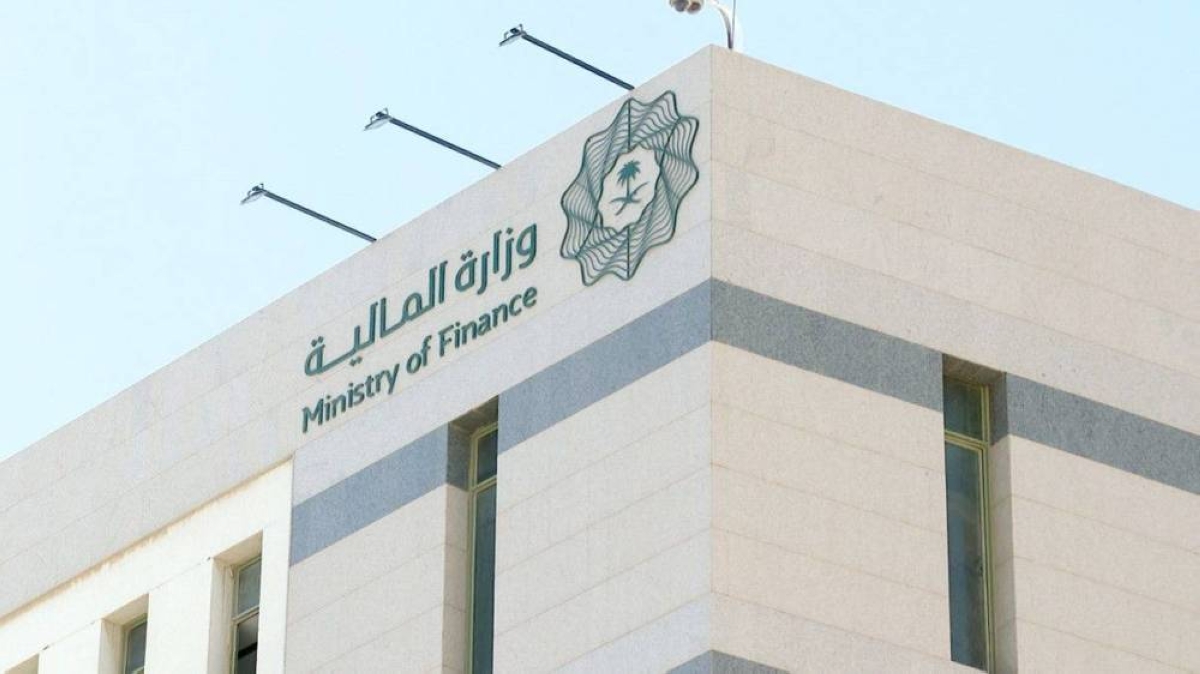
رحبت وزارة المالية بتقرير مشاورات المادة الرابعة للمملكة العربية السعودية للعام 2025 الصادر عن صندوق النقد الدولي، الذي أكد مرونة المملكة وقدرتها القوية على مواجهة الصدمات والتحديات الاقتصادية الخارجية، واستمرار توسع أنشطتها الاقتصادية غير النفطية، وقدرتها على احتواء التضخم، وانخفاض معدل البطالة فيها إلى أدنى مستوياته تاريخياً.
وسلّط التقرير الضوء على الجهود المبذولة في الإفصاح عن بيانات المالية العامة، وفي دراسة وتحليل المخاطر المحيطة بالمالية العامة، مشيداً بخطط الاستثمار متوسطة الأجل وسبل تمويلها، وعلى انتقال الحكومة إلى التخطيط المالي متوسط المدى، والنهج الاستباقي المتبع في تحديد سقوف الإنفاق لجميع الجهات حتى العام 2030.
وأوضح أن التأثير المباشر لتصاعد التوترات التجارية العالمية محدود على المملكة، وسيؤدي الطلب المحلي القوي وتخفيف تخفيضات إنتاج «أوبك+» إلى دفع النمو الاقتصادي على الرغم من حالة عدم اليقين العالمية المتزايدة.
وأشار إلى استمرار النمو القوي في الاقتصاد السعودي، مدفوعاً بالاستثمار والاستهلاك الخاص، وتوسع الناتج المحلي الإجمالي الحقيقي غير النفطي بنسبة 4.5% في العام 2024، مع نمو الاستثمار الخاص غير النفطي بنسبة 6.3% على أساس سنوي.
وبيّن التقرير أنه في ظل تزايد حالة عدم اليقين العالمية وتراجع التوقعات لأسعار السلع الأولية، سيستمر الطلب المحلي القوي في دفع عجلة النمو في المملكة، فمن المتوقع أن يبلغ نمو الناتج المحلي الإجمالي الحقيقي غير النفطي 3.4% في العام 2025، وذلك لاستمرار تنفيذ مشاريع رؤية المملكة 2030 الطموحة، والنمو الائتماني القوي.
ورحب التقرير بجهود المملكة في تحليل عدد من السيناريوهات ووضع خطط استباقية تضمن استدامة المالية العامة في حال التعرض لصدمات قوية، مؤكداً أن تحديد أولويات المشاريع ذات الأثر العالي يُمثل نهجاً حكيماً للحفاظ على استدامة المالية العامة.
رحبت بتقرير مشاورات المادة الرابعة لصندوق النقد الدولي للعام 2025
«المالية»: قدرة المملكة قوية على مواجهة الصدمات والتحديات الاقتصادية الخارجية
4 أغسطس 2025 - 20:05
|
آخر تحديث 4 أغسطس 2025 - 20:05


تابع قناة عكاظ على الواتساب
«عكاظ» (الرياض)
The Ministry of Finance welcomed the 2025 Article IV Consultation Report for the Kingdom of Saudi Arabia issued by the International Monetary Fund, which confirmed the Kingdom's resilience and strong ability to face external economic shocks and challenges, the continued expansion of its non-oil economic activities, its capacity to contain inflation, and the decrease in its unemployment rate to historically low levels.
The report highlighted the efforts made in disclosing public finance data, studying and analyzing the risks surrounding public finance, commending the medium-term investment plans and their financing methods, and the government's transition to medium-term financial planning, along with the proactive approach taken in setting spending ceilings for all entities until 2030.
It clarified that the direct impact of rising global trade tensions is limited on the Kingdom, and strong domestic demand and easing of "OPEC+" production cuts will drive economic growth despite the increasing global uncertainty.
It pointed out the continued strong growth in the Saudi economy, driven by investment and private consumption, with real non-oil GDP expanding by 4.5% in 2024, and private non-oil investment growing by 6.3% year-on-year.
The report indicated that amid increasing global uncertainty and declining forecasts for commodity prices, strong domestic demand will continue to drive growth in the Kingdom, with real non-oil GDP growth expected to reach 3.4% in 2025, due to the ongoing implementation of the ambitious Vision 2030 projects and strong credit growth.
The report welcomed the Kingdom's efforts in analyzing several scenarios and developing proactive plans to ensure the sustainability of public finances in the event of strong shocks, emphasizing that prioritizing high-impact projects represents a wise approach to maintaining the sustainability of public finances.
The report highlighted the efforts made in disclosing public finance data, studying and analyzing the risks surrounding public finance, commending the medium-term investment plans and their financing methods, and the government's transition to medium-term financial planning, along with the proactive approach taken in setting spending ceilings for all entities until 2030.
It clarified that the direct impact of rising global trade tensions is limited on the Kingdom, and strong domestic demand and easing of "OPEC+" production cuts will drive economic growth despite the increasing global uncertainty.
It pointed out the continued strong growth in the Saudi economy, driven by investment and private consumption, with real non-oil GDP expanding by 4.5% in 2024, and private non-oil investment growing by 6.3% year-on-year.
The report indicated that amid increasing global uncertainty and declining forecasts for commodity prices, strong domestic demand will continue to drive growth in the Kingdom, with real non-oil GDP growth expected to reach 3.4% in 2025, due to the ongoing implementation of the ambitious Vision 2030 projects and strong credit growth.
The report welcomed the Kingdom's efforts in analyzing several scenarios and developing proactive plans to ensure the sustainability of public finances in the event of strong shocks, emphasizing that prioritizing high-impact projects represents a wise approach to maintaining the sustainability of public finances.


