


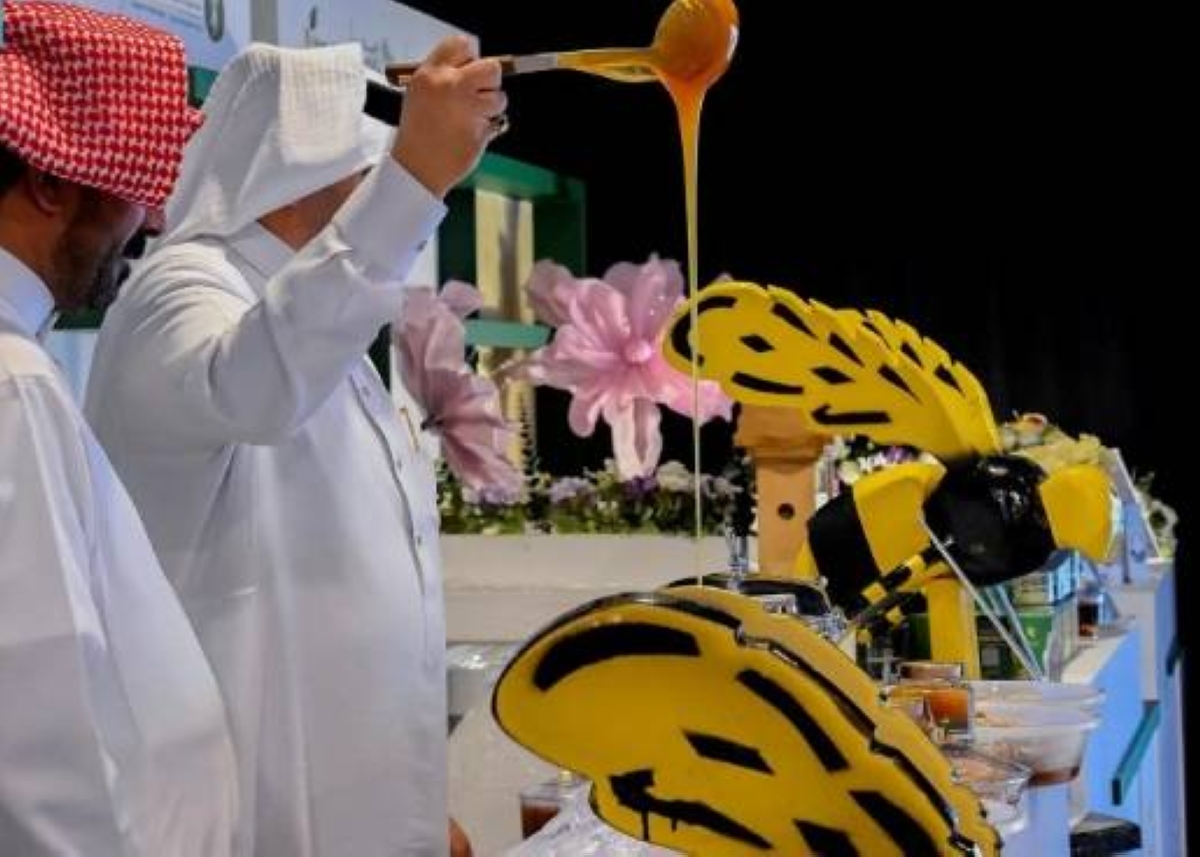
يُشكِّل «عسل الباحة» رافداً اقتصادياً وسياحياً لمنطقة الباحة والمحافظات التابعة لها، وأسهمت المهرجانات الدولية التي ينفذها فرع وزارة البيئة والمياه والزراعة بالمنطقة، بالتعاون مع جمعية النحالين في الباحة على مدى 17 عاماً، في الترويج السياحي للمنطقة، ودعم إنتاج وصناعة العسل.
وتشهد تربية النحل بالباحة نمواً سريعاً في ظل ما تتميز به المنطقة من غطاء نباتي، نظراً لتنوعها الجغرافي ومناخها ما بين السراة وتهامة وانتشار نشاط تربية النحل وتمكين مُلاك النحل، مما أسهم في إنتاج أكثر من 15 نوعاً من العسل، تأتي مواسمها على مدار العام، ومنها: عسل السدر، والسمرة، والطلح، والمجرى، والعرفجة، والصيفي، وغيرها.
وأكَّد رئيس مجلس إدارة الجمعية التعاونية بالباحة محمد الشدوي أن الباحة بها أكثر من 3000 نحالٍ، منهم محترفون يملكون أكثر من 1000 خلية، أو هواه يملكون عدداً أقل من الخلايا بمتوسط 100 خلية، وتنتج نحو 20% من الإنتاج الكلي في المملكة، أي نحو 1000 طنٍ.
وأضاف الشدوي: «الجمعية أسست أكثر من 16 مشروعاً نوعياً من أهمها: معهد دولي عالٍ لتدريب وتأهيل النحالين، كما تقدم أول دبلوم عالٍ في مجال النحل على مستوى الجمعيات، إضافة إلى مختبر متقدم لتحليل جودة العسل، ومعمل للصناعات الخشبية يُنتج أكثر من 120 مُنتجاً، ومركز للزوار والمبيعات يحتوي معرضاً يضم أهم منتجات النحل وأدوات ومستلزمات تربية النحل الحديثة، وتشمل مشاريع الجمعية وحدة لأبحاث النحل، ومشتلاً لإنتاج النباتات العاسلة، وسوقاً للعسل، وخطاً للتعبئة والتغليف، ومعملاً لتصنيع غذاء النحل البروتيني، ومعملاً للصناعات الشمعية».
وأشار إلى أن جمعية النحالين التعاونية بالباحة، أطلقت برنامجاً للسياحة النحلية؛ يستهدف تعريف المجتمع بالنحل وأهميته للإنسان والبيئة وأهمية منتجاته العلاجية والغذائية وطرق تربية النحل من العصور القديمة إلى ما وصلت إليه حديثاً.
وأوضح مدير فرع وزارة البيئة والمياه والزراعة بالمنطقة المهندس فهد مفتاح الزهراني حرص الفرع على تطوير وتنمية قطاع النحل بالمنطقة من خلال العديد من البرامج والمبادرات، كان من أهمها برنامج التنمية الريفية المستدامة (ريف)، وبرنامج الزراعة العضوية وتطوير مهارات النحالين من خلال الدورات التدريبية، إضافة إلى استضافة مناحل إيضاحية نموذجية؛ لنشر الثقافات المحسنة والممارسات الجيدة لتربية النحل.
وتُعد تربية النحل وإنتاج العسل التي تشهد تطوراً سريعاً من أقدم المهن التي مورست وتوارثتها الأجيال في منطقة الباحة، مما دفع الكثير من الشباب للتنقل، بحثاً عن الأشجار والأزهار المناسبة لإنتاج العسل، وحرصهم على زيادة خبرتهم وتطوير شغفهم ومواصلة انتقالهم من مرحلة الهواية إلى مرحلة الاحتراف، والاستفادة من الفرص الريادية للاستثمار في هذا المجال.
3000 نحال يدعمون صناعة العسل في الباحة
27 يوليو 2025 - 21:26
|
آخر تحديث 27 يوليو 2025 - 21:26


تابع قناة عكاظ على الواتساب
«عكاظ» (الباحة)
Honey of Al-Baha: An Economic and Touristic Asset
The "Honey of Al-Baha" serves as an economic and touristic resource for the Al-Baha region and its affiliated governorates. The international festivals organized by the branch of the Ministry of Environment, Water, and Agriculture in the region, in collaboration with the Beekeepers Association in Al-Baha over the past 17 years, have contributed to the tourism promotion of the area and supported honey production and industry.
Beekeeping in Al-Baha is witnessing rapid growth due to the region's rich vegetation cover, attributed to its geographical diversity and climate between the Sarawat and Tihama mountains, along with the spread of beekeeping activities and the empowerment of beekeepers. This has led to the production of more than 15 types of honey, which are harvested throughout the year, including: Sidr honey, Sumra honey, Talh honey, Majra honey, Arfaj honey, summer honey, and others.
The Chairman of the Cooperative Association in Al-Baha, Mohammed Al-Shadwi, confirmed that there are more than 3,000 beekeepers in Al-Baha, including professionals who own more than 1,000 hives, and hobbyists who own fewer hives, averaging around 100 hives. The region produces about 20% of the total honey production in the Kingdom, which amounts to approximately 1,000 tons.
Al-Shadwi added: "The association has established more than 16 qualitative projects, the most important of which are: an international institute for training and qualifying beekeepers, as well as offering the first higher diploma in the field of bees at the association level, in addition to an advanced laboratory for honey quality analysis, and a wood industries workshop that produces more than 120 products. There is also a visitor and sales center that includes an exhibition showcasing the most important bee products and modern beekeeping tools and supplies. The association's projects include a bee research unit, a nursery for producing nectar plants, a honey market, a packaging line, a workshop for producing protein bee food, and a workshop for wax industries."
He pointed out that the Beekeepers Cooperative Association in Al-Baha has launched a program for bee tourism aimed at educating the community about bees, their importance to humans and the environment, the significance of their therapeutic and nutritional products, and the methods of beekeeping from ancient times to the present.
The Director of the branch of the Ministry of Environment, Water, and Agriculture in the region, Engineer Fahd Muftah Al-Zahrani, emphasized the branch's commitment to developing and enhancing the beekeeping sector in the region through various programs and initiatives, the most important of which are the Sustainable Rural Development Program (Rif), the Organic Agriculture Program, and the development of beekeepers' skills through training courses, in addition to hosting model demonstration apiaries to promote improved cultures and best practices in beekeeping.
Beekeeping and honey production, which are rapidly evolving, are among the oldest professions practiced and passed down through generations in the Al-Baha region. This has motivated many young people to travel in search of suitable trees and flowers for honey production, as well as their eagerness to increase their experience, develop their passion, and transition from hobbyist to professional, taking advantage of entrepreneurial opportunities for investment in this field.


